Your Ultimate Guide to Energy Recovery Ventilation ERV): Boost IAQ & Save Energy
Modern homes and buildings are designed to be airtight and well-insulated to cut d(own on energy waste. While tight building envelopes drastically reduce heating and cooling loss, they create a common hidden problem: stale, polluted indoor air with limited natural airflow. Dust, mold spores, volatile organic compounds (VOCs), excess humidity, and accumulated carbon dioxide (CO₂) get trapped indoors, compromising comfort and long-term health. This is where Energy Recovery Ventilation (ERV) steps in. As a smart, high-efficiency HVAC solution, ERV balances continuous fresh air circulation with minimal energy loss, becoming a must-have system for modern residential and commercial spaces. In this guide, we will break down everything you need to know about ERV, including its working principle, unique benefits, key differences from similar systems, ideal applications, and essential maintenance tips.
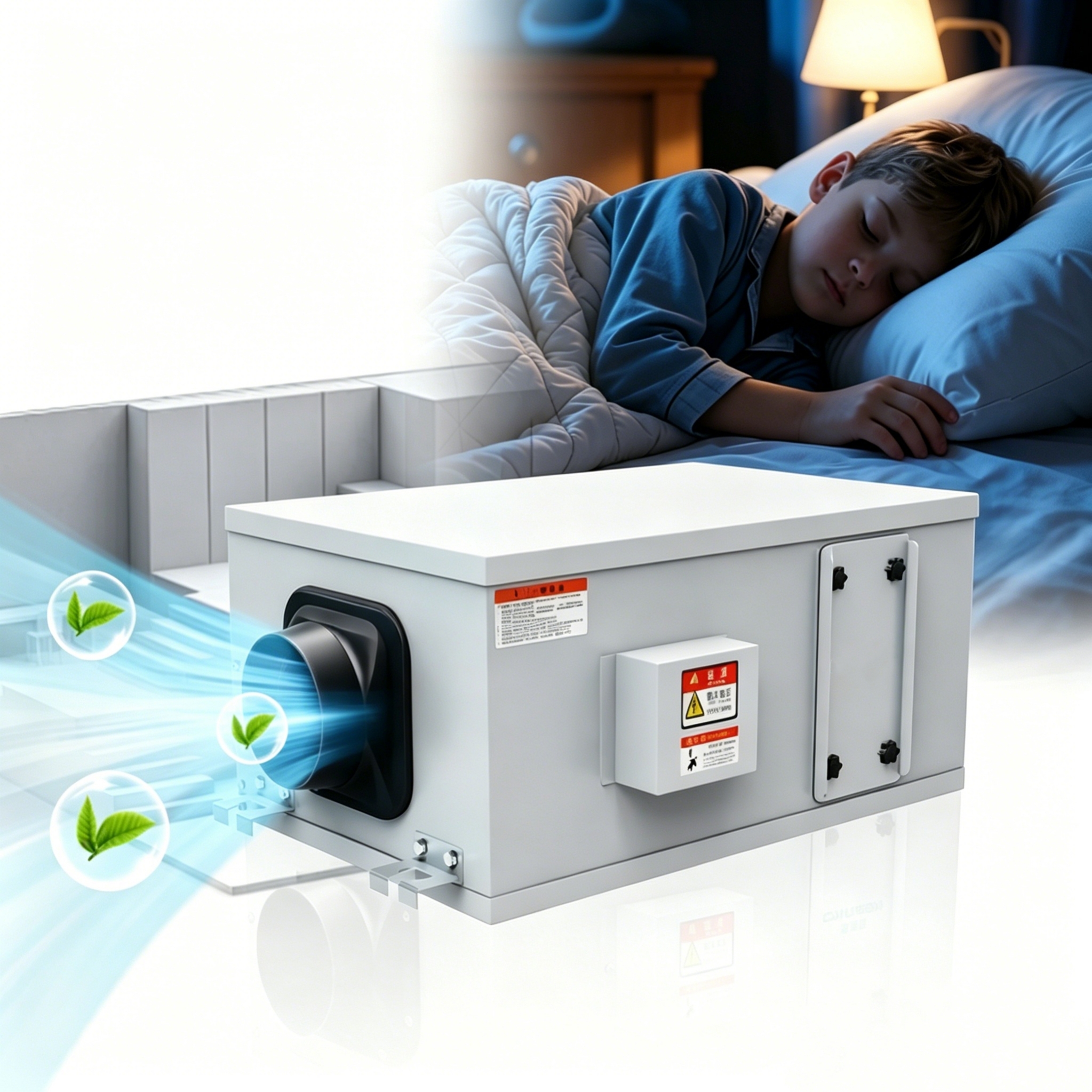
An Energy Recovery Ventilator (ERV) is a mechanical ventilation device built to replace stale indoor air with filtered outdoor air while recovering and reusing the energy that would otherwise escape through exhaust airflows. Unlike basic ventilation fans that simply blow indoor air out and pull unconditioned outdoor air in, ERV acts as an air-to-air energy exchanger that preconditions incoming fresh air, easing the workload of your heating and cooling systems.
The core feature that sets ERV apart is its dual energy recovery capability: it transfers both sensible heat (temperature) and latent heat (moisture) between two separate air streams without mixing clean incoming air and polluted outgoing air. This dual regulation of temperature and humidity delivers year-round indoor comfort while slashing unnecessary energy consumption.
ERV operates on a simple yet highly efficient airflow principle with two independent air channels and a central heat-moisture exchange core, the heart of the entire system. Here is the step-by-step working process:
First, two built-in fans drive simultaneous air circulation: one fan exhausts stale, CO₂-rich, humid or dry indoor air out of the building, while the other fan draws fresh outdoor air into the system. These two air streams flow through isolated passages in the exchange core and never cross-contaminate each other.
During cold winter months, the warm moisture contained in outgoing indoor exhaust air is transferred to the cold incoming outdoor air, pre-warming and humidifying the fresh air before it enters the room. This eliminates the need for your heater to work overtime to heat frigid outdoor air. In hot and humid summers, the coolness and dryness of indoor exhaust air cools down and dehumidifies warm outdoor air, reducing the burden on air conditioners.
The entire process runs continuously and automatically, ensuring consistent indoor air quality (IAQ) and stable humidity levels without frequent manual adjustments.
Many homeowners confuse ERV with HRV, as both systems recover energy and improve ventilation. However, their functional differences make them suitable for distinct climates and needs:
HRV (Heat Recovery Ventilation): HRV only transfers sensible heat (temperature). It balances indoor and outdoor temperature but cannot adjust moisture levels. It works best in dry, cold climates where humidity control is not a priority.
ERV (Energy Recovery Ventilation): ERV transfers both heat and moisture. It not only equalizes indoor and outdoor temperatures but also regulates indoor humidity year-round. It prevents overly dry indoor air in winter and stifling, muggy air in humid summer weather, and effectively inhibits mold and mildew growth caused by unbalanced humidity.
For most temperate, humid, or variable climates, ERV offers more comprehensive comfort and practicality than HRV.
ERV continuously flushes out stale indoor air, accumulated CO₂, pet dander, dust, and harmful VOCs released from furniture, paint, and cleaning products. It filters incoming outdoor air, blocking pollen, fine dust, and airborne pollutants, creating a healthier living and working environment, especially beneficial for families with kids, elders, or allergy sufferers.
Traditional ventilation wastes massive energy by discharging conditioned indoor air directly outdoors and letting unprocessed outdoor air in, forcing HVAC systems to consume extra energy for temperature adjustment. ERV recovers up to 70%-80% of the energy from exhaust air, drastically reducing heating and cooling loads. Over time, it cuts down monthly utility bills and lowers long-term building operation costs.
By transferring latent heat and moisture, ERV maintains ideal indoor humidity between 40%-60%, the most comfortable and healthy range for human bodies. It avoids dry skin, static electricity, and respiratory discomfort in winter, as well as sticky, humid conditions and mold growth in summer, delivering consistent all-season comfort.
Modern energy-efficient homes and offices feature tight doors, windows, and insulation to save energy, which severely limits natural ventilation. ERV provides mandatory mechanical ventilation for airtight spaces, solving the problem of stuffy indoor air without compromising the building’s energy-saving performance.
Most modern ERV units adopt mute fan designs and shock-absorbing structures, running quietly without disrupting work, study, or sleep. With simple internal structures and no complex consumables, it features low failure rates and long service life.
ERV systems fit nearly all residential and commercial scenarios that require stable ventilation and energy efficiency:
Residential spaces: Modern airtight houses, villas, apartments, and basements prone to dampness and stuffiness
Commercial spaces: Offices, meeting rooms, shopping malls, and gyms with dense crowds and high CO₂ accumulation
Special spaces: Nurseries, hospitals, study rooms, and recording studios that require high air quality and low noise
To keep your ERV system efficient and durable, simple regular maintenance is essential:
Clean or replace filters every 2–3 months: Clogged filters block airflow, reduce ventilation efficiency, and cause secondary air pollution. Regular replacement ensures clean fresh air intake.
Check the exchange core quarterly: Dust and dirt accumulation on the core will hinder heat and moisture exchange. Wipe and clean it regularly to maintain optimal energy recovery efficiency.
Inspect fan operation and ductwork annually: Check for abnormal noise from fans and duct air leakage to avoid reduced ventilation performance.
Professional deep maintenance every 1–2 years: A professional inspection and cleaning of internal components can extend the system’s service life and maintain stable long-term operation.
Energy Recovery Ventilation (ERV) is a perfect fusion of health, comfort, and energy efficiency. It solves the core contradiction between energy-saving building insulation and poor natural ventilation, delivering continuous fresh air, stable humidity and temperature, and lower energy bills for indoor spaces. Whether you are renovating an old house or designing a new building, an ERV system is a worthwhile long-term investment to upgrade your indoor living and working environment.
If you want to breathe cleaner, fresher air while cutting down energy waste, an ERV system is undoubtedly your best ventilation solution.
 18705226241