


When we talk about building design, comfort and safety, most people focus on layout, decoration, insulation or heating systems - but ventilation often gets overlooked as an afterthought. The truth is, ventilation is one of the most vital components of any functional building, whether it’s a residential home, office space, retail store, school or industrial facility. It’s not just about letting fresh air in; it’s about protecting health, preserving structural integrity, boosting comfort and creating a livable, sustainable indoor environment. Let’s break down exactly why proper building ventilation matters more than you might think.
Indoor air can be far more polluted than outdoor air, even in busy urban areas. Without consistent airflow, buildings trap a wide range of harmful contaminants that build up over time and pose serious health risks. Everyday items like furniture, paint, cleaning products, carpets and building materials release volatile organic compounds (VOCs), formaldehyde and other toxic fumes. Dust, pet dander, pollen and airborne bacteria also accumulate in sealed, stagnant spaces.
Poor ventilation leads to a host of short-term and long-term health issues, including allergies, asthma flare-ups, headaches, fatigue, dizziness and irritated eyes, nose and throat. Prolonged exposure to poor indoor air quality can even worsen respiratory conditions and compromise immune function. For offices and public buildings, clean, ventilated air also boosts productivity, focus and overall wellbeing - people simply work and feel better in spaces with fresh, circulating air.
Ventilation works by replacing stale, polluted indoor air with clean outdoor air, diluting harmful contaminants and maintaining safe oxygen and carbon dioxide levels. Proper airflow stops these toxins from building up to dangerous levels, creating a healthier space for everyone inside the building.
Moisture buildup is one of the biggest silent threats to building structures, and ventilation is the simplest way to fight it. Daily activities like cooking, showering, washing dishes and even breathing release moisture into the air. In tightly sealed, poorly ventilated buildings, this moisture has nowhere to escape, leading to condensation on walls, windows, floors and ceilings.
Excess moisture creates the perfect breeding ground for mold, mildew and rot. Mold doesn’t just trigger allergies - it can eat away at drywall, wood framing, insulation and other building materials, causing costly structural damage over time. Damp conditions also lead to peeling paint, warped floors and rusted metal fixtures, shortening the lifespan of the entire property.
Consistent ventilation removes humid air from the building, keeping indoor humidity levels balanced and preventing moisture-related damage entirely. This small investment in proper airflow saves homeowners and property managers thousands in expensive repair bills down the line.
Comfort isn’t just about temperature - it’s about air quality and airflow too. Stagnant, stuffy air makes even well-heated or air-conditioned spaces feel uncomfortable and claustrophobic. Proper ventilation eliminates stuffiness, regulates indoor temperature evenly and reduces stuffy, stale odors from cooking, pets, smoke and everyday living.
Good ventilation also helps regulate humidity levels year-round: it keeps spaces from feeling overly humid in summer and dry and stale in winter. Whether you’re relaxing at home, working in an office or shopping in a retail space, fresh, moving air creates a far more pleasant and inviting environment than sealed, stagnant rooms.
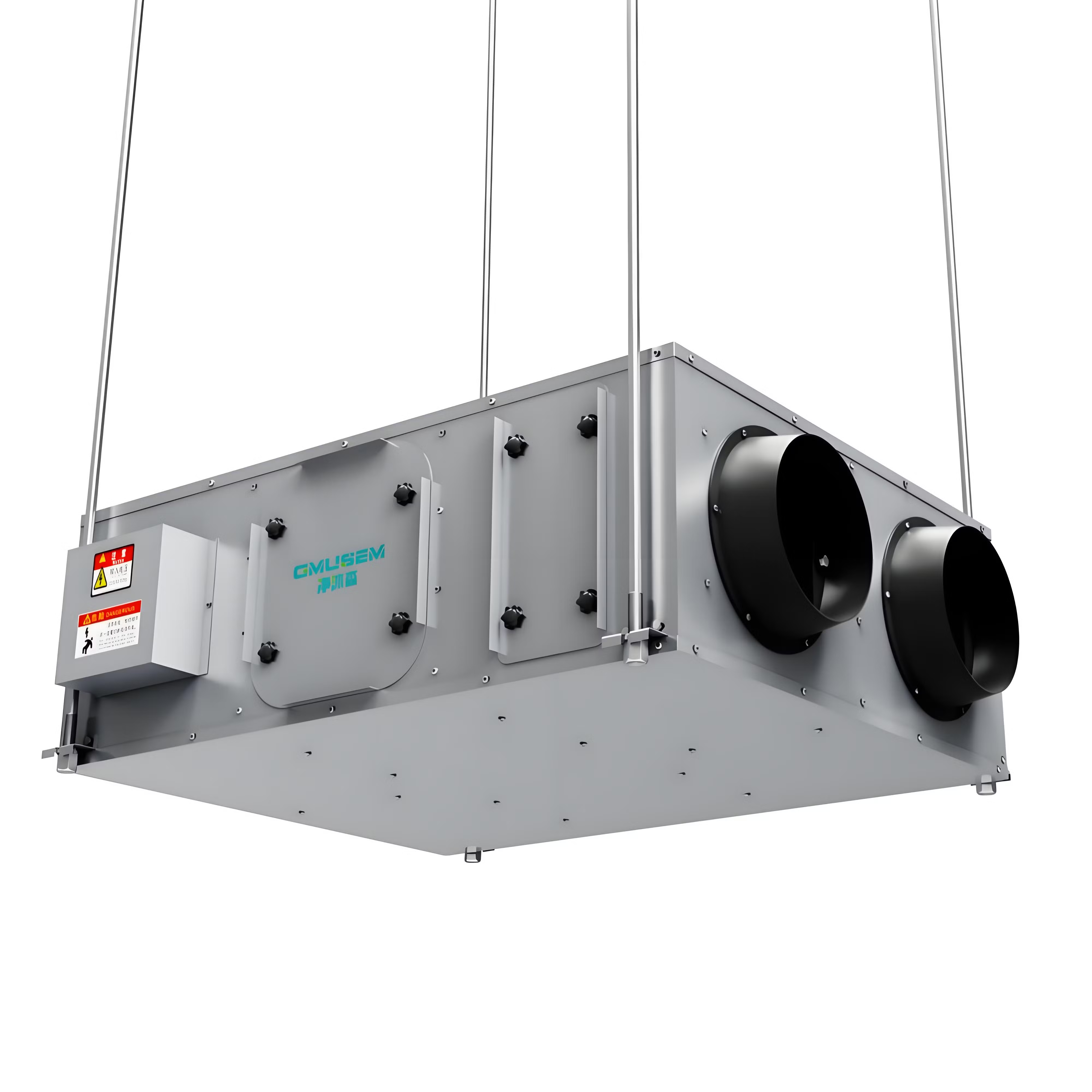
A common misconception is that ventilation wastes energy and drives up heating or cooling costs. Modern ventilation systems prove this wrong entirely. Today’s energy-efficient ventilation solutions, like heat recovery ventilation (HRV) and energy recovery ventilation (ERV) systems, exchange stale indoor air for fresh outdoor air without losing excess heat or cool air.
These systems recycle energy from outgoing air to condition incoming fresh air, cutting down on energy waste while keeping indoor spaces well-ventilated. Even natural ventilation strategies, like strategic window placement and attic vents, can boost airflow without relying on mechanical systems, making ventilation a sustainable choice for eco-friendly building design.
Ventilation is far more than a minor building detail - it’s a foundational element of safe, healthy and durable construction. Skipping proper ventilation might seem like a small cost-saving measure in the short term, but it leads to poor health, costly structural damage and unlivable indoor conditions over time.
Whether you’re building a new home, renovating an existing space or managing a commercial building, prioritizing proper ventilation is an investment in long-term health, comfort and property value. After all, a building isn’t truly functional if the air inside isn’t safe to breathe.
 18705226241


