


Why You Need an ERV for Better Indoor Air Quality
Most people spend nearly 90% of their lives indoors, whether working from home, relaxing with family, or sleeping through the night. Yet, few of us stop to question the quality of the air we breathe every single day. We often assume indoor air is cleaner than outdoor air, but the truth is quite the opposite. Modern homes are built to be airtight for better insulation and energy efficiency, trapping stale air, hidden pollutants, excess moisture, and harmful toxins inside. This is where an Energy Recovery Ventilator (ERV) steps in—an unsung hero of home comfort and health that transforms your indoor air and elevates your living environment entirely.
A tightly sealed home keeps conditioned air in and outdoor weather out, but it also locks in a host of invisible air pollutants that accumulate over time. Without proper ventilation, indoor air becomes stagnant and contaminated with a cocktail of harmful substances. Everyday household activities and materials release volatile organic compounds (VOCs) from paint, cleaning supplies, furniture, and cooking fumes. Pet dander, dust mites, pollen, and mold spores circulate endlessly in closed spaces. Even human respiration causes carbon dioxide levels to build up steadily, leading to stuffy rooms, brain fog, and fatigue.
Prolonged exposure to these pollutants does more than just make your home feel stuffy. It can trigger persistent allergies, irritate the respiratory system, worsen asthma symptoms, and even lead to long-term health issues. High indoor humidity, another common problem in sealed homes, creates the perfect breeding ground for mold, mildew, and bacteria, further compromising air quality and triggering unpleasant odors. Simply opening windows to fix the issue is unreliable—outdoor pollution, extreme temperatures, noise, and inclement weather often make natural ventilation impractical or ineffective.
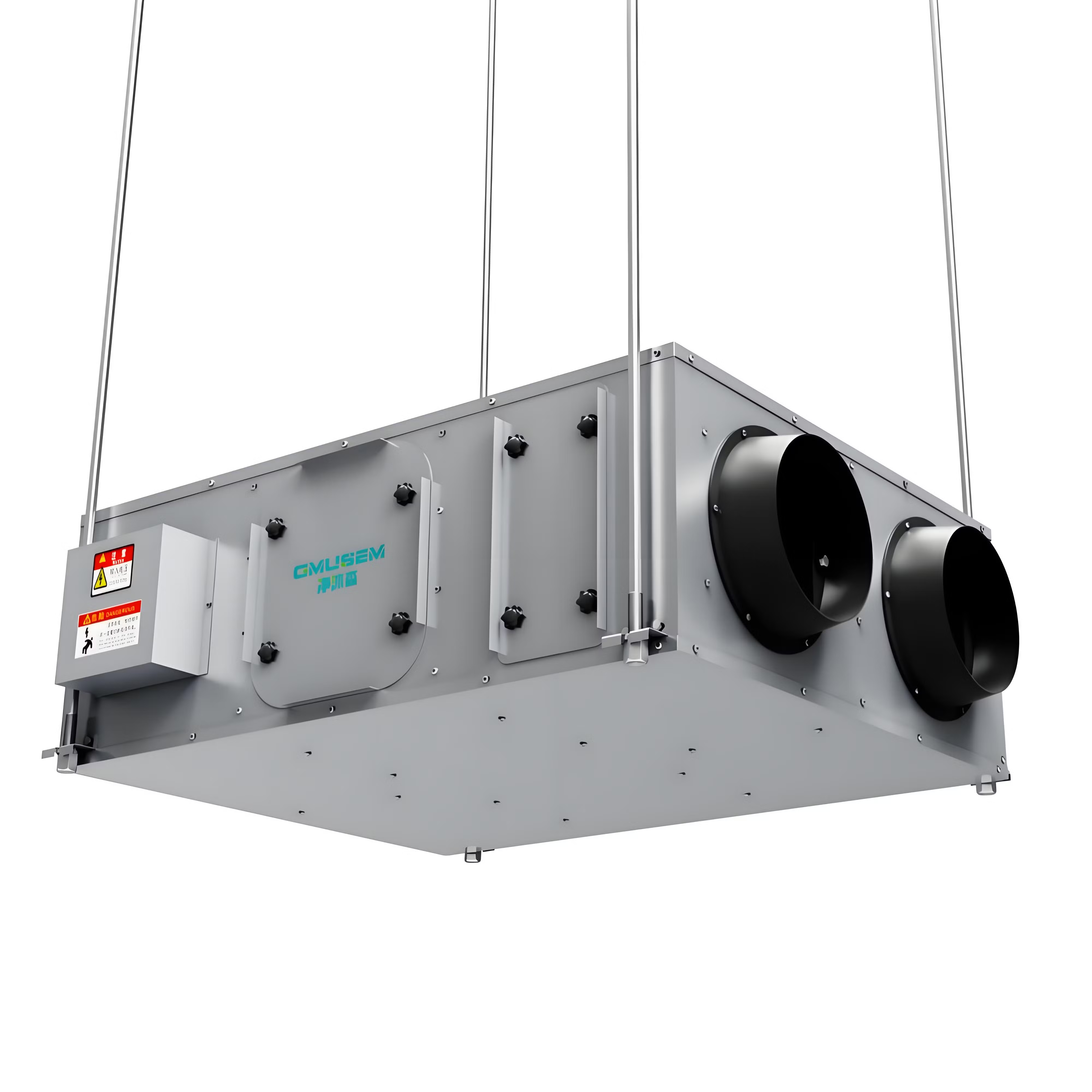
An Energy Recovery Ventilator is a whole-home ventilation system designed to solve the indoor air quality crisis without sacrificing energy efficiency. Often described as the “lungs of your home”, an ERV continuously exchanges stale indoor air with fresh, filtered outdoor air while recovering and reusing the energy from outgoing air. This smart, dual-process operation sets it apart from basic ventilation solutions.
Here’s the simple breakdown: as the ERV exhausts stale, polluted indoor air out of your home, it captures the heat or coolness stored in that outgoing air. It then transfers this recovered thermal energy to the incoming fresh outdoor air before circulating it inside. In winter, it retains heat to warm incoming cold air; in summer, it removes excess heat to cool down incoming warm air. Beyond temperature regulation, top-tier ERV systems also balance indoor humidity levels year-round, adding moisture to dry winter air and removing excess humidity in muggy summer weather. Most models come with high-efficiency filters that trap pollen, dust, and airborne contaminants, ensuring only clean fresh air enters your living spaces.
Unlike air purifiers that only filter existing indoor air, ERVs actively flush out pollutants at their source. By continuously cycling air, they reduce concentrations of VOCs, carbon dioxide, pet allergens, dust, and cooking odors that build up in sealed homes. This constant air exchange prevents pollutant buildup, creating a consistently clean breathing environment for every family member, including kids, seniors, and allergy sufferers.
Stagnant, polluted indoor air is a major culprit behind morning headaches, daytime fatigue, itchy eyes, stuffy noses, and persistent coughing. By maintaining steady airflow and clean oxygen levels, an ERV eliminates stuffy, stale air, creating a lighter, fresher indoor atmosphere. Many homeowners notice improved sleep quality, better focus while working or studying at home, and fewer allergy and asthma flare-ups after installing an ERV. Balanced humidity levels also prevent dry skin, irritated throats, and mold growth, enhancing overall comfort.
One of the biggest drawbacks of opening windows for fresh air is energy waste—your HVAC system works overtime to reheat or recool escaped conditioned air. ERVs eliminate this waste by recovering up to 80% of the energy from exhausted air. This drastically reduces the workload on your heating and cooling systems, cutting down monthly energy consumption and lowering utility costs. It also minimizes strain on your HVAC equipment, extending its lifespan and reducing long-term maintenance expenses.
Natural ventilation is inconsistent at best. You can’t open windows during extreme heat, freezing cold, heavy rain, or high pollen and smog seasons. ERVs operate automatically 24/7, delivering consistent, filtered fresh air regardless of outdoor weather conditions. Whether it’s a sweltering summer day or a frigid winter night, your home maintains balanced ventilation, clean air, and stable indoor temperatures without compromise.
ERV systems are especially essential for modern, energy-efficient homes with tight insulation and low air infiltration—these homes benefit most from mechanical ventilation to avoid trapped stale air. They are also ideal for households with allergy sufferers, pets, young children, or anyone prioritizing healthy indoor living. Even in mild climates, an ERV adds value by maintaining consistent air quality and humidity control that natural ventilation simply cannot match.
If your home often feels stuffy, holds lingering odors, has persistent humidity issues, or leaves you feeling sluggish indoors, an ERV is a game-changing upgrade. It’s not just a luxury home accessory—it’s an investment in your family’s long-term health, daily comfort, and home energy efficiency.
Indoor air quality is the foundation of healthy living, yet it’s frequently overlooked in home maintenance and upgrades. While smart thermostats, air purifiers, and insulated windows improve home comfort, none address the core need for fresh, circulating air like an ERV. By combining effective pollutant removal, balanced humidity control, consistent ventilation, and impressive energy savings, an ERV transforms your home into a healthier, more comfortable living space all year long.
Don’t let stale, polluted air compromise your health and comfort. Installing an ERV is a simple, sustainable way to breathe cleaner air, feel better at home, and maximize your home’s energy efficiency for years to come.
 18705226241


