


Why Every Modern Home Needs Heat Recovery Ventilation
Modern homes are designed to be tighter, more energy-efficient, and better insulated than ever before. New building materials, double-glazed windows, and airtight insulation keep conditioned air inside and block outdoor drafts—cutting down energy waste and boosting comfort. But this advanced air sealing comes with a hidden downside: stale, polluted indoor air. As we seal our homes to save energy, we accidentally trap dust, moisture, allergens, and stale air indoors, creating unhealthy living environments. This is exactly why heat recovery ventilation (HRV) has evolved from a luxury upgrade into an essential system for every modern household.
Decades ago, older homes had natural air leaks through windows, doors, and wall gaps. These cracks allowed constant fresh air exchange, imperfect as it was. Today’s construction standards eliminate those leaks to reduce heating and cooling costs. While this drastically lowers energy bills, it also stops natural ventilation.
Without proper airflow, indoor air quickly becomes more contaminated than outdoor air. Cooking fumes, pet dander, dust mites, mold spores, and even volatile organic compounds (VOCs) from furniture and cleaning products build up day by day. Excess moisture has nowhere to escape, leading to condensation on windows, damp walls, and eventually mold and mildew growth. Stagnant air also feels stuffy and uncomfortable, even at perfect thermostat temperatures—leaving residents sluggish, irritable, or prone to allergies and respiratory issues.
Simply opening windows to fix the issue defeats the purpose of energy-efficient home design. It lets out heated or cooled air, spikes utility bills, and invites outdoor pollutants, pollen, and noise inside. Modern homes need a smarter ventilation solution, and HRV systems deliver exactly that.
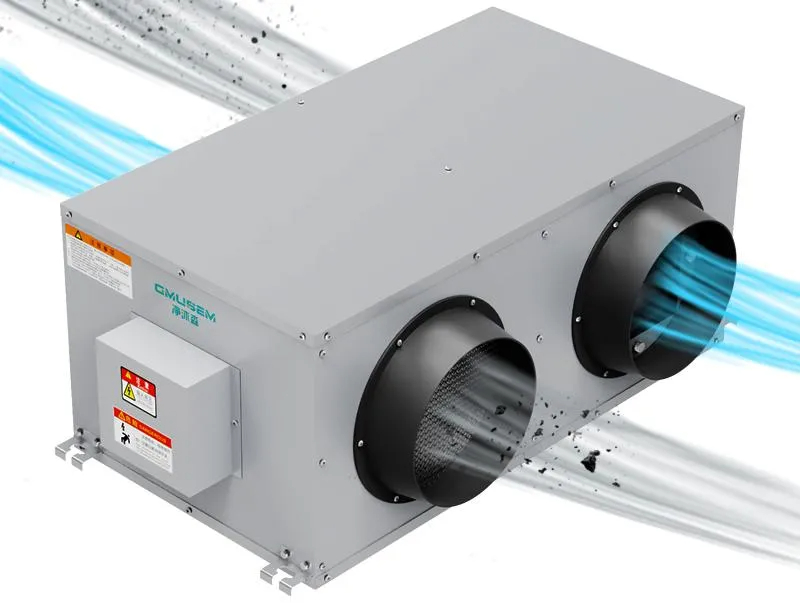
A heat recovery ventilation system is a smart HVAC device that provides continuous, balanced air exchange while preserving indoor temperature. Unlike basic exhaust fans that only push stale air out, HRV systems work two ways: removing polluted indoor air and bringing in fresh, filtered outdoor air simultaneously.
The core magic of an HRV system lies in its heat exchange core. As stale, warm indoor air exits the home, it passes through the heat exchanger and transfers most of its heat energy to the incoming cold outdoor air. This process recovers up to 80% of the heat that would otherwise be wasted. In summer, the system reverses the effect, retaining cool indoor air and preventing hot outdoor air from raising interior temperatures.
The result? Constant fresh airflow without the energy loss of open windows, and consistent indoor temperatures with no drafty cold spots. It’s the perfect balance of ventilation and energy efficiency that modern homes require.
HRV systems filter incoming outdoor air and flush out accumulated indoor pollutants 24/7. They reduce concentrations of dust, pollen, pet allergens, VOCs, and carbon dioxide that build up in closed living spaces. For families with allergy sufferers, asthma patients, young children, or elderly residents, this consistent clean air creates a healthier living environment and reduces respiratory discomfort and seasonal allergy symptoms.
One of the biggest misconceptions about ventilation systems is that they increase energy costs. In reality, HRV systems save homeowners significant money long-term. By recovering residual heat from exhaust air, they eliminate the need for heating systems to rewarm cold incoming air constantly. Compared to opening windows for ventilation or running inefficient standalone fans, HRV reduces heating and cooling loads, lowering monthly electricity and gas bills while maintaining home energy efficiency.
Excess indoor moisture is one of the most destructive threats to modern airtight homes. Trapped humidity causes window condensation, peeling paint, rotting wood, and harmful mold growth. HRV systems regulate indoor humidity levels by exhausting moist air from kitchens, bathrooms, and living areas, maintaining balanced moisture levels year-round. This protects your home’s structural integrity, reduces maintenance costs, and eliminates health risks from mold spores.
Stuffy, stagnant air makes rooms feel cramped and uncomfortable, even at ideal temperatures. HRV delivers gentle, consistent fresh air circulation throughout every room, eliminating stuffiness and stale odors from cooking, pets, or closed-up rooms. Unlike air conditioners and heaters that only adjust temperature, HRV improves air freshness, making living spaces feel open, breathable, and more pleasant all year long.
Modern homeowners increasingly prioritize sustainable living and low-carbon lifestyles. HRV systems align perfectly with green home principles. By reducing household energy consumption, they lower carbon footprints and reduce reliance on fossil fuel-powered heating and cooling systems. For passive homes, energy-efficient new builds, and renovated eco-homes, HRV is an indispensable core system.
Absolutely. Whether you live in a newly built airtight townhouse, a renovated modern apartment, or a high-efficiency passive house, an HRV system adapts to all residential spaces. It works seamlessly with existing HVAC systems, requires minimal maintenance, and operates quietly without disrupting daily life. Even older modernized homes with upgraded insulation and sealed windows can benefit hugely from HRV’s balanced ventilation performance.
Many homeowners delay installing HRV because they assume ventilation issues are minor. But poor indoor air quality and hidden moisture damage accumulate slowly, leading to higher medical bills, costly home repairs, and reduced quality of life. Investing in an HRV system is a long-term upgrade that protects both your home and your family’s health.
Modern home design prioritizes energy efficiency, but airtight construction creates ventilation gaps that compromise health and comfort. Heat recovery ventilation solves this critical problem by bridging the gap between energy savings and healthy indoor air. It delivers non-stop fresh air, eliminates excess moisture and pollutants, cuts utility costs, and enhances daily comfort—all without sacrificing your home’s energy efficiency.
For any modern home aiming to be healthy, comfortable, and sustainable, an HRV system is no longer an optional upgrade. It is a fundamental necessity for smarter, better living.
 18705226241


