


Assisted living communities serve as a home away from home for older adults who need moderate support with daily tasks, while still valuing their independence, comfort, and health. Every aspect of these communities—from care services to living environments—is designed to prioritize resident well-being, and indoor air quality (IAQ) stands out as a non-negotiable factor. Energy Recovery Ventilators (ERVs) have emerged as a game-changing solution for these communities, bridging the gap between fresh air, comfort, and cost-efficiency. Unlike basic ventilation systems, ERVs are tailored to address the unique needs of older adults, making them a smart, forward-thinking investment for any assisted living facility. Below, we explore the key reasons why ERVs have become essential for modern assisted living communities.
Older adults in assisted living often have compromised respiratory systems, with many living with chronic conditions such as asthma, COPD, or heart disease. Poor indoor air quality—filled with dust, allergens, mold spores, stale air, and even volatile organic compounds (VOCs) from cleaning products or furniture—can worsen these conditions, leading to increased discomfort, hospitalizations, and a reduced quality of life. ERVs tackle this challenge head-on by facilitating continuous air exchange: they remove stale, polluted indoor air and replace it with fresh outdoor air, all while filtering out harmful contaminants before they enter living spaces.
Unlike traditional ventilation, which may introduce unfiltered outdoor air or create drafts, ERVs feature advanced filtration technology that traps pollen, dust mites, pet dander, and small particulate matter. This creates a cleaner, healthier air environment that minimizes respiratory irritation and supports long-term wellness—critical for a population that spends the majority of their time indoors. For assisted living communities, prioritizing respiratory health isn’t just a kindness; it’s a core part of providing high-quality care.
Older adults are more sensitive to temperature fluctuations and drafts, which can cause discomfort, sleep disturbances, and even health risks (such as hypothermia in cold weather or overheating in warm weather). Traditional ventilation systems often fail to address this, as they introduce unconditioned outdoor air directly into living spaces—cooling rooms in winter and warming them in summer, while increasing the workload on HVAC systems.
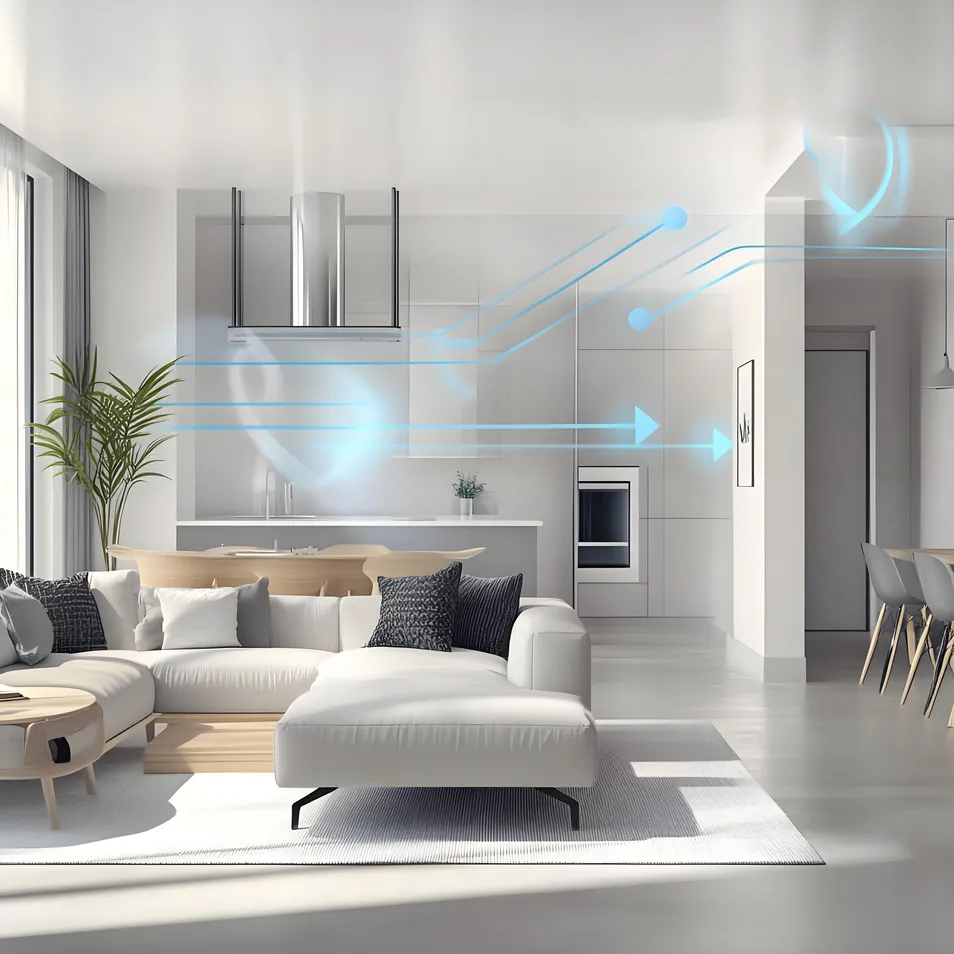
ERVs solve this problem through energy recovery technology: they transfer heat and moisture between the outgoing stale air and incoming fresh air. In winter, the system captures heat from the air being exhausted and uses it to warm cold outdoor air, preventing drafts and reducing heating costs. In summer, it removes heat and excess moisture from incoming air, keeping living spaces cool and comfortable without overworking air conditioners. The result is a consistent, draft-free environment that keeps residents comfortable year-round, while also reducing the strain on HVAC systems.
Assisted living communities operate on tight budgets, with significant expenses allocated to utilities, staff, and resident care. Energy costs—especially for heating and cooling large facilities—can be a major financial burden. ERVs help facility operators reduce these costs by minimizing the need for excessive heating and cooling. By recovering energy from the air being exhausted, ERVs reduce the workload on HVAC systems, which translates to lower energy bills and long-term savings.
Studies show that well-installed ERVs can reduce heating and cooling energy consumption by 10-20%, depending on the climate and facility size. These savings can be redirected toward critical areas, such as resident care, amenities, or facility improvements—all while maintaining the high standards of comfort and air quality that residents and their families expect. For assisted living communities, ERVs aren’t just a health investment; they’re a smart financial one, too.
Excess humidity in assisted living communities can lead to mold and mildew growth, which pose serious health risks to residents—especially those with respiratory conditions. Mold spores can trigger allergies, asthma attacks, and even infections, while mildew causes unpleasant odors and damage to building materials (such as walls, carpets, and furniture). On the other hand, low humidity can cause dry skin, chapped lips, and respiratory irritation—common complaints among older adults.
ERVs regulate indoor humidity by transferring moisture between incoming and outgoing air, keeping levels within the optimal range of 40-60%. In humid climates, they remove excess moisture from incoming outdoor air, preventing mold growth in bathrooms, kitchens, and communal areas. In dry climates, they add moisture to the air, reducing dryness and discomfort. By maintaining balanced humidity, ERVs not only protect residents’ health but also preserve the integrity of the facility, reducing the need for costly repairs due to mold or water damage.
At the heart of assisted living is the goal of helping residents maintain their dignity and independence for as long as possible. Poor indoor air quality can limit mobility, cause fatigue, and make it harder for residents to engage in daily activities, socialize, or enjoy their living spaces. ERVs create an environment where residents can breathe easily, stay comfortable, and feel at home—supporting their ability to participate in community events, interact with peers, and maintain a sense of normalcy.
Additionally, ERVs operate quietly, without the loud noise associated with some ventilation systems. This is particularly important for residents who may have trouble sleeping or are sensitive to noise. The quiet operation ensures that residents can rest, relax, and enjoy their living spaces without disruption—another way ERVs prioritize resident well-being.
As assisted living communities continue to evolve to meet the needs of an aging population, prioritizing indoor air quality and resident comfort is more important than ever. ERVs offer a multifaceted solution that supports respiratory health, maintains consistent comfort, reduces energy costs, prevents mold growth, and preserves resident dignity—all key priorities for assisted living operators and families.
For assisted living communities looking to enhance the quality of life for their residents while making smart, sustainable investments, ERVs aren’t just an option—they’re a necessity. By integrating ERVs into their ventilation systems, these communities can create a healthier, more comfortable, and more cost-effective environment that supports the well-being of every resident, now and in the future.
 18705226241


