


Walk into any home, office, or commercial space on a cold winter day, and you’ll likely feel the warmth of a heating system working overtime to keep the space comfortable. But have you ever stopped to wonder where all that heat goes when you open a window to let in fresh air? Or how much energy you’re wasting by letting heated air escape—only to pump more energy into warming up cold outdoor air? This is where heat recovery comes in, and it’s not just a “nice-to-have” feature anymore—it’s a smart, sustainable solution to a problem we all face: wasted energy and rising costs. So, let’s dive into the question: Why do we need to recover heat?
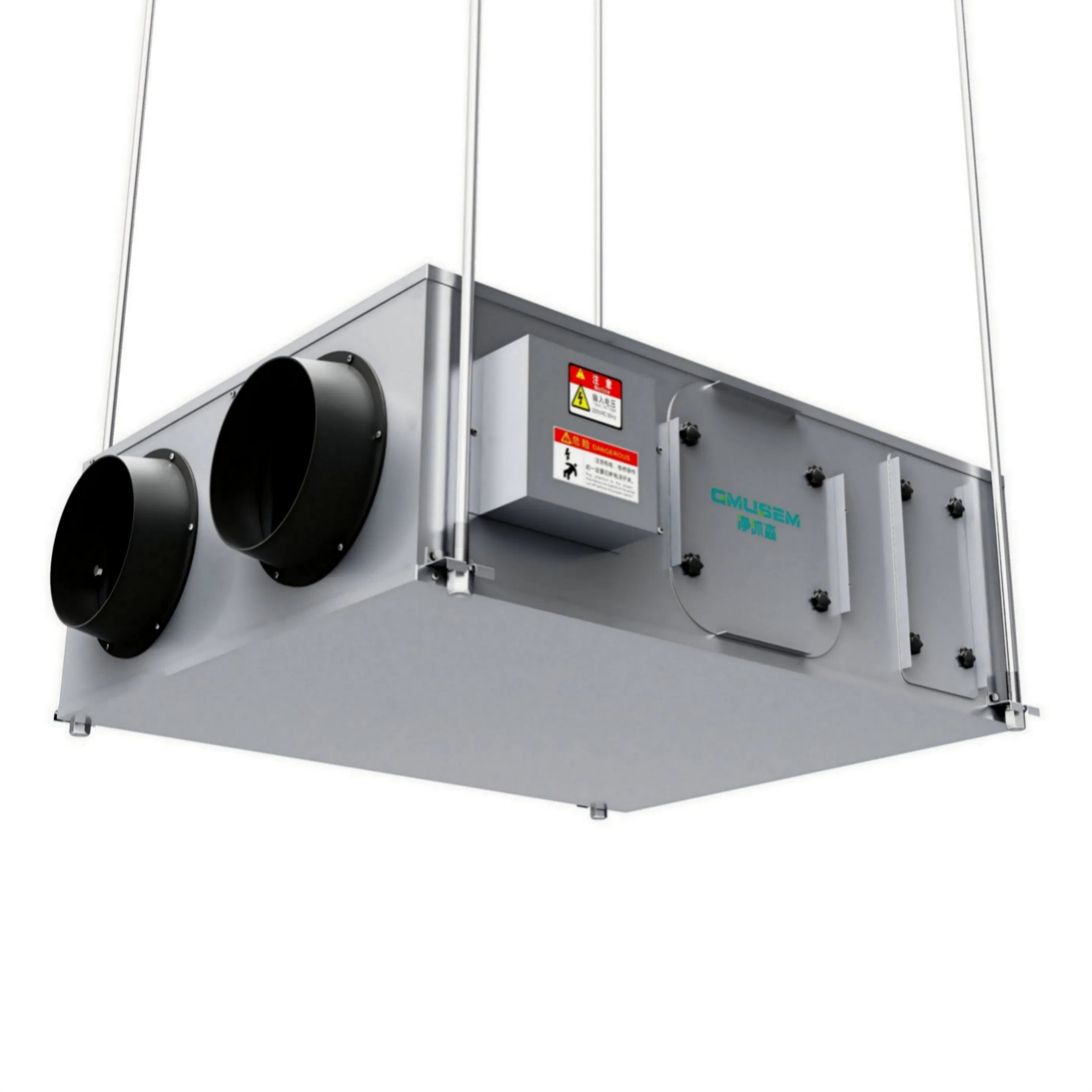
Before we answer the “why,” let’s clarify the “what.” Heat recovery is the process of capturing and reusing heat that would otherwise be lost to the outside environment. This is typically done through a heat recovery ventilation (HRV) or energy recovery ventilation (ERV) system—devices that exchange heat between the warm, stale air being exhausted from a building and the cold, fresh air being brought in. Instead of letting that valuable warm air escape, the system transfers its heat to the incoming cold air, reducing the amount of energy needed to heat (or cool, in summer) the new air.
Think of it like recycling: just as we recycle paper or plastic to reduce waste, heat recovery recycles thermal energy, turning “wasted” heat into a resource that saves money, reduces carbon footprints, and improves comfort.
The biggest and most immediate reason to recover heat is to save money on energy bills. Heating (and cooling) a space is one of the largest energy expenses for homes and businesses—accounting for up to 40% of total energy use in many buildings. When you ventilate without heat recovery, you’re essentially throwing away the energy you’ve already paid to heat the air. For example, if you’re running a furnace to keep your home at 22°C (72°F) on a day when it’s -5°C (23°F) outside, every time you open a window or your ventilation system exhausts air, you’re letting that 22°C air escape and pulling in -5°C air—forcing your furnace to work harder to warm the new air.
Heat recovery systems fix this by transferring the heat from the exhaust air to the incoming air. Depending on the system and climate, this can reduce heating energy needs by 30-50%. For businesses like esports hotels, which run ventilation 24/7 to keep air fresh for long gaming sessions, the savings add up dramatically—lowering operating costs while maintaining comfort.
In an era where sustainability is more important than ever, heat recovery is a simple way to reduce greenhouse gas emissions. Most of the energy we use for heating comes from fossil fuels (natural gas, oil, coal) or electricity generated from non-renewable sources. By reusing heat, we use less energy overall—which means burning fewer fossil fuels and releasing less CO2 into the atmosphere.
For example, a typical home with a heat recovery system can reduce its annual carbon emissions by hundreds of kilograms. For commercial spaces, the impact is even bigger: imagine an esports hotel with 50 rooms, all running ventilation 24/7—heat recovery could cut its carbon footprint by tons each year, making it a more eco-friendly business choice.
Many people avoid opening windows in cold weather because they don’t want to lose heat—but this leads to stale, stuffy indoor air. Poor ventilation can cause a buildup of allergens, pollutants, and excess humidity, which can trigger allergies, headaches, and even mold growth. Heat recovery systems solve this dilemma by providing continuous fresh air without losing heat.
Here’s how it works: the system pulls in fresh outdoor air, passes it through a heat exchanger to warm it (using the heat from the exhaust air), and then distributes it throughout the space. At the same time, it exhausts stale indoor air—removing moisture, odors, and pollutants—without letting the warm air escape. This means you get clean, fresh air year-round, without feeling a draft or wasting energy.
This is especially important for spaces like esports hotels, internet cafes, or offices, where people spend long hours indoors. Fresh air keeps guests and employees alert, comfortable, and healthy—improving satisfaction and productivity.
When your heating or cooling system doesn’t have to work as hard, it lasts longer. Heat recovery systems reduce the load on your furnace, boiler, or air conditioner by pre-warming (or pre-cooling) incoming air. This means your HVAC system runs less frequently, experiences less wear and tear, and requires fewer repairs over time. Over the long term, this can save you even more money on maintenance and replacement costs.
As climate change leads to more extreme weather—colder winters and hotter summers—heat recovery systems become even more valuable. In winter, they keep your space warm without wasting energy; in summer, many ERV systems can also transfer cool air from exhaust to incoming air, reducing the load on your air conditioner. This versatility makes heat recovery a long-term investment that adapts to changing weather patterns.
While heat recovery is useful for almost any building, it’s especially beneficial for:
Homes in cold climates: Where heating costs are high and ventilation is often limited in winter.
Commercial spaces: Esports hotels, offices, schools, and hospitals—spaces with high occupancy and constant ventilation needs.
Energy-efficient buildings: Modern, well-insulated buildings often have poor natural ventilation, making heat recovery essential for fresh air without energy waste.
So, why do we need to recover heat? Because it’s a simple, effective way to save money, reduce our environmental impact, improve indoor air quality, and extend the life of our HVAC systems. Whether you’re a homeowner looking to cut energy bills or a business owner (like an esports hotel operator) wanting to improve guest comfort and sustainability, heat recovery is an investment that pays off in the short and long term.
Gone are the days of choosing between fresh air and energy efficiency—heat recovery lets you have both. It’s not just about “recovering” heat; it’s about recovering control over your energy use, your comfort, and your carbon footprint.
 18705226241


