


Whole House Mechanical Ventilation: Breathe Cleaner, Fresher Air at Home
Have you ever walked into your home after a long day and felt that stuffy, stale air lingering in every room? Or noticed lingering cooking odors, musty basement smells, or condensation fogging up your windows? Many homeowners blame poor air circulation on closed windows or seasonal weather, but the real culprit is often outdated, inconsistent home ventilation. Modern homes are built to be airtight for better energy efficiency, keeping heated or cooled air inside—but this tight seal also traps pollutants, excess moisture, and stale indoor air. This is where a whole house mechanical ventilation system transforms your living space, turning your sealed, energy-efficient home into a healthy, breathable haven year-round.
Gone are the days when opening windows was the only way to freshen indoor air. Casual window ventilation is unreliable: it lets in pollen, dust, and outdoor noise, disrupts indoor temperatures, and fails to provide consistent air exchange in every corner of your home. Whole house mechanical ventilation changes the game by delivering controlled, continuous, and balanced air circulation across every room, from bedrooms and living rooms to basements and bathrooms. It is no longer a luxury home upgrade but a fundamental necessity for modern residential comfort and health.
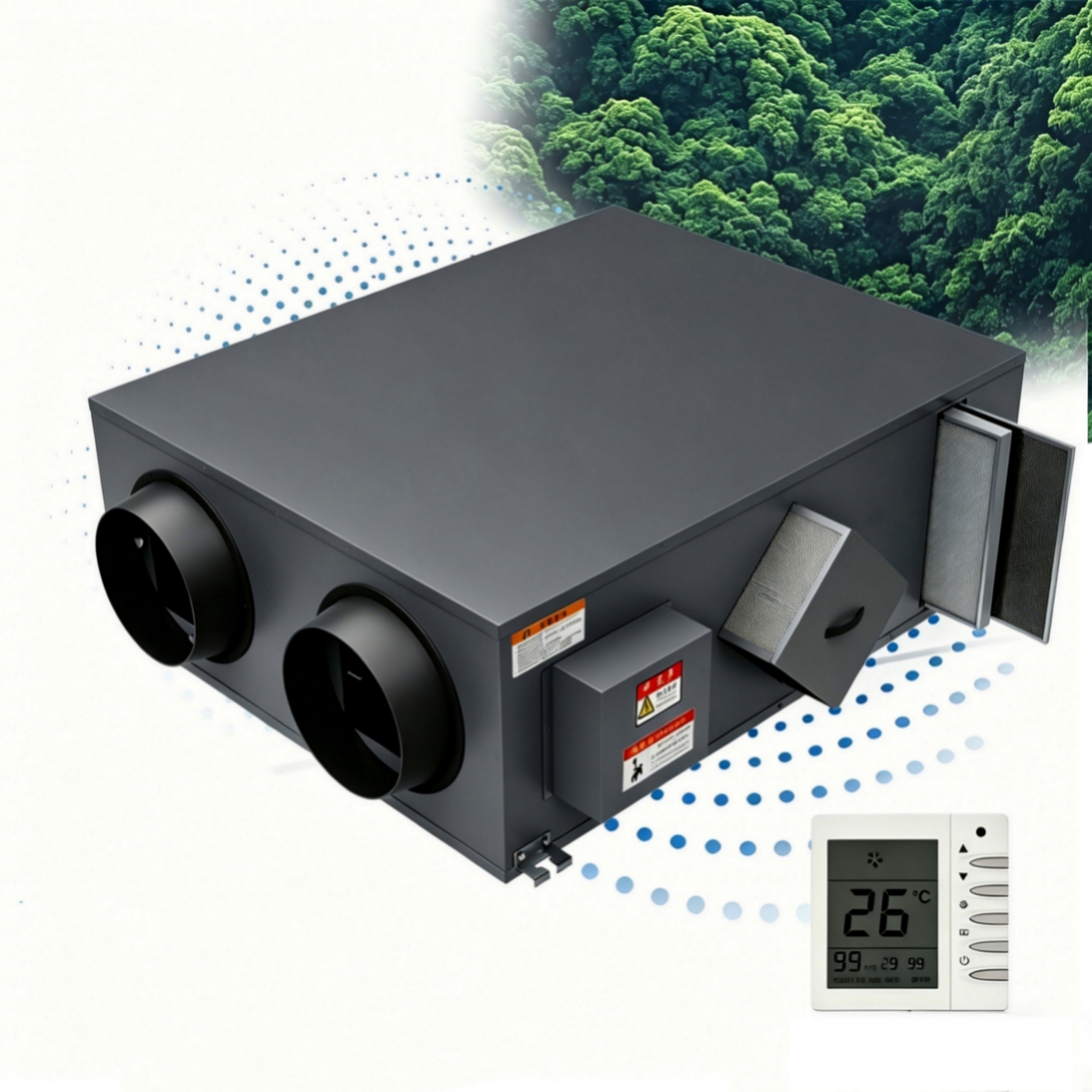
At its core, a whole house mechanical ventilation system is a centralized HVAC solution designed to systematically replace stale indoor air with filtered, fresh outdoor air. Unlike spot ventilation tools such as bathroom fans or kitchen range hoods that only target localized areas, this system works 24/7 to ventilate your entire home evenly. Equipped with professional fans, ductwork, and smart control components, it follows the industry golden rule of “seal tight, ventilate right” — maximizing building energy efficiency while eliminating the downsides of airtight home construction.
The working principle is simple yet highly effective. The system creates gentle air pressure differences to exhaust stale, polluted indoor air laden with carbon dioxide, volatile organic compounds (VOCs), pet dander, and excess humidity outdoors. Meanwhile, it draws in fresh outdoor air, filters out airborne contaminants, and distributes the conditioned air uniformly throughout every living space. This continuous air exchange eliminates dead-air zones, ensuring no room is left stagnant or polluted.
Not all whole house ventilation systems are the same. Depending on your climate, home layout, and energy-saving goals, you can choose from four mainstream types recognized by the U.S. Department of Energy, each with unique features and advantages:
This is one of the most cost-effective and beginner-friendly options. It works by creating slight negative pressure inside the home, steadily exhausting stale indoor air outside. As indoor air is removed, fresh outdoor air naturally infiltrates through building gaps and dedicated intake vents to replace it. Ideal for mild climates and tightly sealed homes, it effectively reduces indoor pollutants and excess moisture without complex installation.
Opposite to exhaust systems, supply ventilation creates positive indoor pressure by actively pumping filtered fresh outdoor air into the home. The positive pressure pushes stale indoor air out through building leaks and exhaust vents. This system excels at preventing unfiltered outdoor air from seeping in, making it perfect for dusty, polluted urban areas. It also allows pre-conditioning of incoming air to avoid uncomfortable cold drafts in winter.
Balanced systems combine the advantages of exhaust and supply ventilation, running two separate fan systems to intake fresh air and exhaust stale air at equal airflow rates. This maintains neutral indoor air pressure, eliminating the drawbacks of positive or negative pressure imbalances. It delivers the most uniform air circulation and is suitable for most residential types, especially multi-story homes with complex layouts.
As the most advanced and energy-efficient option, Heat Recovery Ventilators (HRV) and Energy Recovery Ventilators (ERV) are game-changers for extreme climates. HRV systems use a crossflow or counterflow heat exchange core to transfer heat between outgoing exhaust air and incoming fresh air, minimizing heating and cooling energy loss in cold seasons. ERV systems upgrade this technology with an enthalpy exchange core that transfers both heat and moisture, balancing indoor humidity in hot, humid summers and dry winters. These systems perfectly reconcile fresh air ventilation and energy savings.
Indoor air can be up to five times more polluted than outdoor air, according to environmental research. Daily activities like cooking, showering, cleaning, and even breathing accumulate carbon dioxide, VOCs, dust mites, and pet allergens indoors. A whole house mechanical ventilation system continuously dilutes and flushes out these harmful pollutants, maintaining low CO₂ levels and reducing allergy and asthma triggers. It eliminates persistent odors from cooking, pets, and smoke, keeping indoor air fresh all day long.
Excess indoor moisture is the silent enemy of home structures. Trapped humidity leads to mold, mildew, rotting wood, and peeling paint, especially in basements, bathrooms, and closed closets. This ventilation system steadily removes surplus moisture from the air, maintaining optimal indoor humidity levels between 30%-50%. It effectively inhibits mold and bacterial growth, protecting your walls, floors, and furniture from long-term damp damage.
Stagnant, stuffy air often causes fatigue, headaches, and poor concentration, especially during sleep. Poor nighttime ventilation leads to rising CO₂ levels, disrupting deep sleep and leaving you groggy in the morning. A whole house ventilation system provides consistent fresh air flow, eliminating stuffiness and stuffy-room discomfort. The quiet, low-noise operation ensures undisturbed rest, helping you and your family sleep deeper and feel more energetic daily.
Many homeowners worry ventilation will increase HVAC energy consumption, but modern mechanical ventilation systems are designed for energy efficiency. ERV and HRV models recover up to 80% of the heating and cooling energy from exhaust air, drastically reducing the workload on your air conditioner and heater. Compared with open-window ventilation that wastes conditioned air, mechanical ventilation delivers precise, controlled air exchange, cutting down long-term utility bills while maintaining consistent indoor temperatures.
Window ventilation fails in extreme weather—sweltering summers, freezing winters, pollen seasons, and rainy days. Whole house mechanical ventilation works reliably year-round. It filters out pollen and dust in spring, blocks humid outdoor air in summer, retains indoor heat in winter, and prevents damp air infiltration on rainy days. You can enjoy fresh, clean indoor air without sacrificing temperature comfort or indoor cleanliness.
This system is a perfect fit for almost all modern homeowners, especially if you live in a newly built airtight home, an urban area with poor outdoor air quality, or suffer from seasonal allergies. It is also ideal for families with kids, elderly members, or pets who spend most of their time indoors. Even if your home is older, a professionally installed whole house mechanical ventilation system can upgrade your indoor environment with minimal renovation.
Unlike portable air purifiers that only filter existing indoor air, mechanical ventilation brings in endless fresh outdoor air while removing pollutants fundamentally. Air purifiers clean air; whole house ventilation renews air—creating a truly healthy living environment rather than just treating symptoms.
Your home is your safe haven, but it can only be truly safe with clean, fresh air to breathe. In the pursuit of energy-efficient, airtight modern homes, we often overlook the importance of proper ventilation, sacrificing air quality for temperature control. A whole house mechanical ventilation system bridges this gap perfectly, balancing energy efficiency, structural protection, and human health.
It’s not just a home upgrade—it’s a long-term investment in your family’s daily comfort and long-term health. Ditch stuffy, polluted indoor air and embrace a home that breathes as freely as you do. With consistent, controlled mechanical ventilation, every breath you take at home will be cleaner, fresher, and healthier.
 18705226241


