


Whole-House Heat Recovery Ventilation (HRV) Systems: Fresh Air Without Wasting Energy
If you’ve ever struggled with stuffy indoor air, high heating bills, or condensation on your windows in winter, you’re not alone. Modern homes—especially energy-efficient, airtight ones—and even older homes retrofitted with insulation and air sealing often face a common dilemma: how to get fresh, clean outdoor air inside without losing the precious heat you’ve paid to warm your space. Enter the whole-house heat recovery ventilation (HRV) system: a game-changing solution that balances indoor air quality (IAQ) with energy efficiency, keeping your home healthy and your utility bills in check.
HRVs aren’t just another ventilation gadget—they’re a smart investment in your home’s comfort, durability, and your family’s health. Unlike basic exhaust fans that simply blow stale air outside (and waste heat in the process) or open windows that let cold air rush in, HRVs work to recover the heat from stale indoor air and use it to pre-warm fresh outdoor air. This means you get continuous, balanced ventilation without sacrificing warmth or wasting energy. Let’s dive into how HRVs work, why they’re a must-have for many homes, how to choose the right one, and what to expect from installation and maintenance.
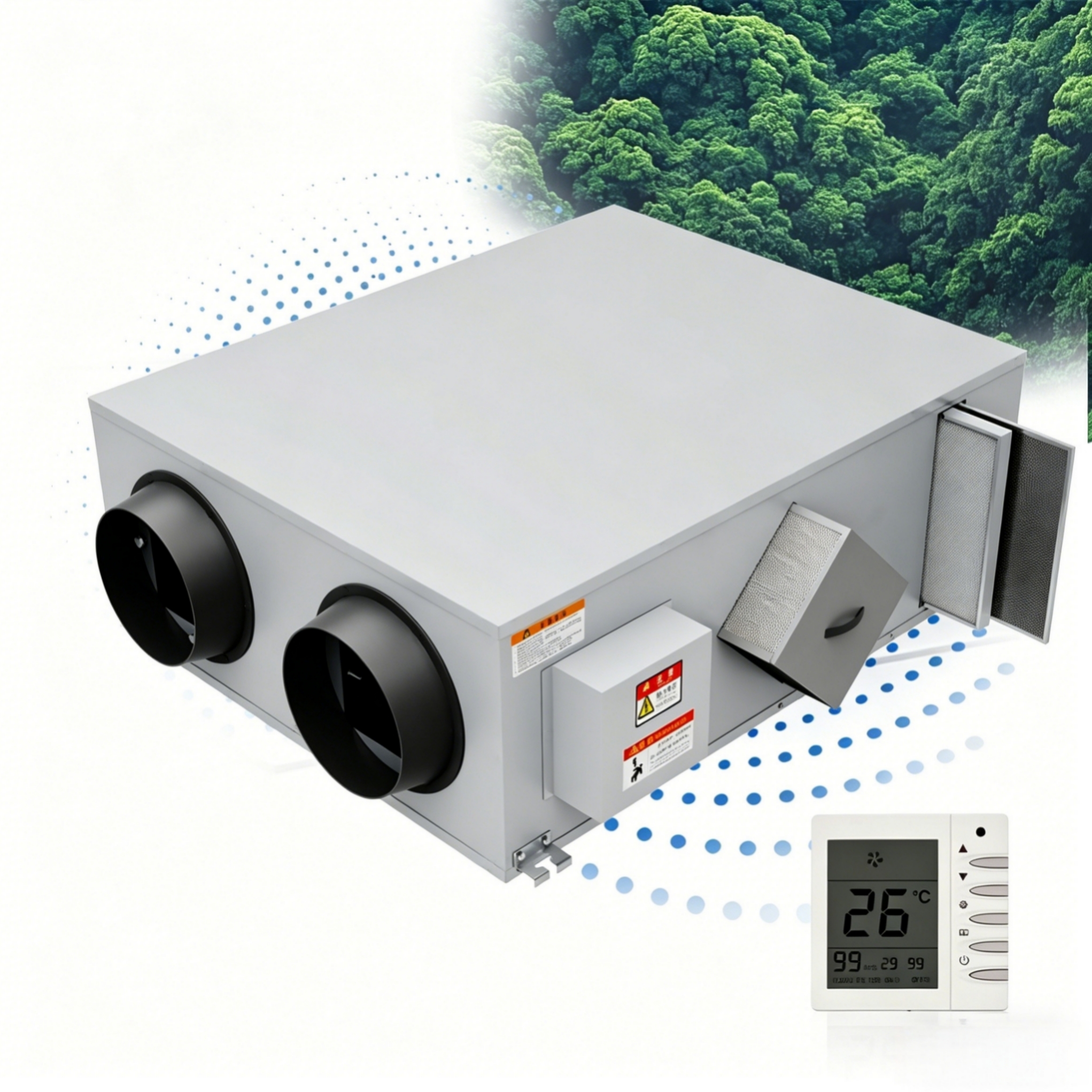
First, let’s break down the basics: HRV stands for Heat Recovery Ventilator (also known as Mechanical Ventilation Heat Recovery, MVHR). At its core, an HRV is a balanced ventilation system designed to exchange stale indoor air with fresh outdoor air while recovering the sensible heat (temperature-related heat) from the air being exhausted. Unlike Energy Recovery Ventilators (ERVs), which transfer both heat and moisture, HRVs focus solely on heat exchange—making them ideal for climates where humidity control is less of a concern, or where excess indoor moisture needs to be expelled.
Here’s a simple breakdown of how an HRV operates:
Air Exchange: An HRV has two fans: one pulls fresh, filtered outdoor air into your home, and the other exhausts stale indoor air (laden with moisture, cooking fumes, pet dander, and VOCs) outside. The two air streams never mix—they’re separated by a heat exchanger core at the heart of the unit.
Heat Recovery: As the stale, warm indoor air passes through the heat exchanger, it transfers most of its heat to the cold, fresh outdoor air moving in the opposite direction. High-efficiency HRVs can recover 60–95% of the heat from exhaust air, significantly reducing the energy needed to warm incoming air in winter. In summer, the process reverses: the cool indoor air cools the warm outdoor air, lightening the load on your air conditioning.
Balanced Airflow: HRVs maintain neutral air pressure in your home—they pull in as much fresh air as they exhaust. This prevents issues like backdrafting (where dangerous combustion gases from furnaces or fireplaces are pulled back into the home) and ensures consistent ventilation throughout every room, not just one area.
Most HRVs also include filters to clean incoming air, trapping pollen, dust, and other outdoor pollutants—making them a boon for anyone with allergies or respiratory sensitivities.
Indoor air quality is often 2–5 times worse than outdoor air, even in suburban or rural areas—and airtight homes only make this problem worse by trapping pollutants inside. HRVs solve this while addressing energy waste, making them a win-win for homeowners. Here are their top benefits:
HRVs provide continuous, filtered fresh air throughout your home, eliminating stale air, lingering odors, and harmful pollutants like VOCs (from furniture and cleaning products), pet dander, and cooking fumes. By removing excess moisture (a byproduct of daily activities like showering and cooking), they also reduce the risk of mold growth, mildew, and condensation on windows—protecting both your home’s structure and your family’s health.
The biggest advantage of HRVs is their energy efficiency. By recovering 70–95% of the heat from exhaust air, they reduce the workload on your heating system in winter. For example, if it’s 0°F outside and 70°F inside, an HRV can pre-warm the incoming cold air to 50–65°F using recovered heat—cutting the energy needed to bring it to a comfortable temperature. This can lower heating costs by 20–30% annually, depending on your climate and home size.
Excess moisture trapped in walls, ceilings, and floors can cause rot, warping, and mold growth—costly issues to repair. HRVs remove moisture-laden air, preventing these problems and extending the life of your home’s insulation, woodwork, and drywall. This is especially critical in airtight homes, where natural airflow can’t adequately vent moisture.
Unlike opening windows (which causes drafts and temperature swings) or spot ventilation (which only targets one room), HRVs provide steady, even ventilation. They pre-condition incoming air, so you won’t feel sudden blasts of cold air in winter or hot air in summer. Plus, they operate quietly—most models are barely noticeable, even when running at full speed.
Many modern energy codes (like ASHRAE standards) require balanced mechanical ventilation in airtight homes. HRVs meet these requirements while improving energy efficiency, making them a practical choice for new builds and retrofits alike.
It’s easy to confuse HRVs with ERVs (Energy Recovery Ventilators), but the key difference lies in how they handle moisture—and this makes all the difference for your climate. Here’s a quick comparison to help you choose:
Transfers only sensible heat (no moisture) between air streams. Best for: - Cold, dry climates (e.g., northern regions) where the main goal is to recover heat and expel excess indoor moisture (to prevent condensation and mold). - Homes prone to high indoor humidity in winter (e.g., homes with multiple occupants, frequent cooking, or laundry). - Areas where outdoor humidity is naturally low in winter.
Transfers both heat and moisture (total enthalpic recovery). Best for: - Hot, humid climates (e.g., southern regions) where controlling outdoor moisture is key. - Mixed climates where humidity extremes are a year-round concern. - Homes with dry indoor air in winter (ERVs can retain some moisture to prevent over-drying).
A quick rule of thumb: If you live in a cold climate and struggle with condensation or mold in winter, an HRV is your best bet. If you live in a humid climate or deal with both dry winters and humid summers, an ERV may be better. Using the wrong system (e.g., an HRV in a hot, humid climate) can worsen comfort and moisture issues.
Not all HRVs are created equal—choosing the right one depends on your home’s size, climate, and existing setup. Here are the key factors to consider:
HRVs are sized based on your home’s square footage and the number of occupants. The goal is to achieve 0.35 air changes per hour (or meet local code requirements) to ensure adequate ventilation. For a typical 2,000-square-foot, 3-bedroom home, an HRV with an airflow rate of around 100 cubic feet per minute (CFM) is usually sufficient. Undersized units won’t provide enough fresh air, while oversized units waste energy.
Look for HRVs with a high heat recovery efficiency rating—aim for 70–95%. Higher efficiency means more heat is recovered, leading to greater energy savings. Most reputable manufacturers list this rating prominently (e.g., “85% heat recovery”).
HRVs operate quietly, but some models are quieter than others. Look for units with a noise rating of 30–40 decibels (dB)—about the sound of a quiet conversation. If your HRV will be installed near living areas or bedrooms, a lower noise rating is key.
If your home has existing HVAC ductwork, you can save money by choosing an HRV that integrates with it. Ductless (wall-mounted) HRVs are also available for homes without ductwork or for single-room use, though they’re less common for whole-house ventilation. Dedicated ductwork for HRVs is another option, though it adds to installation costs.
HRV costs vary based on size, efficiency, and installation requirements: - Basic HRV unit: $1,000–$2,500 - Installation (including ductwork if needed): $1,500–$2,500 - Total cost for a whole-house system: $2,500–$5,000 (or more for high-efficiency, ducted models) While upfront costs are higher than basic ventilation, the energy savings and IAQ improvements make HRVs a cost-effective long-term investment (most HRVs have a lifespan of 12–18 years).
Proper installation and maintenance are critical to getting the most out of your HRV. Here’s what you need to know:
HRVs should be installed by a licensed HVAC professional with experience in ventilation systems. Improper installation (e.g., leaky ductwork, incorrect balancing) can reduce efficiency by 20–40%. Common installation locations include attics, basements, mechanical rooms, or garages—choose a space that’s easily accessible for maintenance. The professional will also balance the system to ensure equal airflow in and out, preventing pressure issues.
HRVs require minimal maintenance, but regular upkeep ensures optimal performance and longevity:
Filter Changes: Clean or replace filters every 3–6 months (more often if you have pets or allergies). Clogged filters reduce airflow and efficiency.
Core Cleaning: Clean the heat exchanger core annually to remove dust and debris. This can be done with a vacuum or mild detergent—follow the manufacturer’s instructions.
Annual Inspection: Have a professional inspect your HRV yearly to check for leaks, ensure proper airflow, and address any issues (e.g., fan malfunctions). This is especially important in cold climates to ensure frost protection is working correctly.
Condensate Drain Check: If your HRV produces condensate (some models do), check the drain regularly to ensure it’s not clogged—this prevents water damage.
If you want fresh, clean air in your home without wasting energy or sacrificing comfort, the answer is a resounding yes. HRVs are especially valuable for: - Airtight, energy-efficient homes (new builds or retrofitted older homes). - Cold climates where heat loss is a major concern. - Homes with mold, condensation, or IAQ issues. - Families with allergies, asthma, or respiratory sensitivities.
While HRVs have a higher upfront cost than basic ventilation, the energy savings, improved comfort, and protection for your home and health make them a smart long-term investment. Plus, with proper maintenance, an HRV will last for over a decade—providing consistent, efficient ventilation year after year.
If you’re ready to upgrade your home’s ventilation, start by consulting a local HVAC professional who specializes in HRVs. They’ll help you choose the right size and model for your home, ensure proper installation, and set you up for years of fresh air and energy savings.
Breathe easier, stay warm, and save money—all with a whole-house HRV system.
 18705226241


