


If you’ve ever struggled with stuffy indoor air, high energy bills, or unbalanced humidity in your home, you’re not alone. Modern homes are built to be airtight to boost energy efficiency—but that tightness comes with a trade-off: stale air, trapped pollutants, and uncomfortable moisture levels. Enter whole house energy recovery ventilators (ERVs): the unsung heroes of indoor air quality (IAQ) and energy conservation. In this guide, we’ll break down everything you need to know about ERVs—how they work, why they matter, how they differ from other ventilation systems, and whether they’re right for your home.
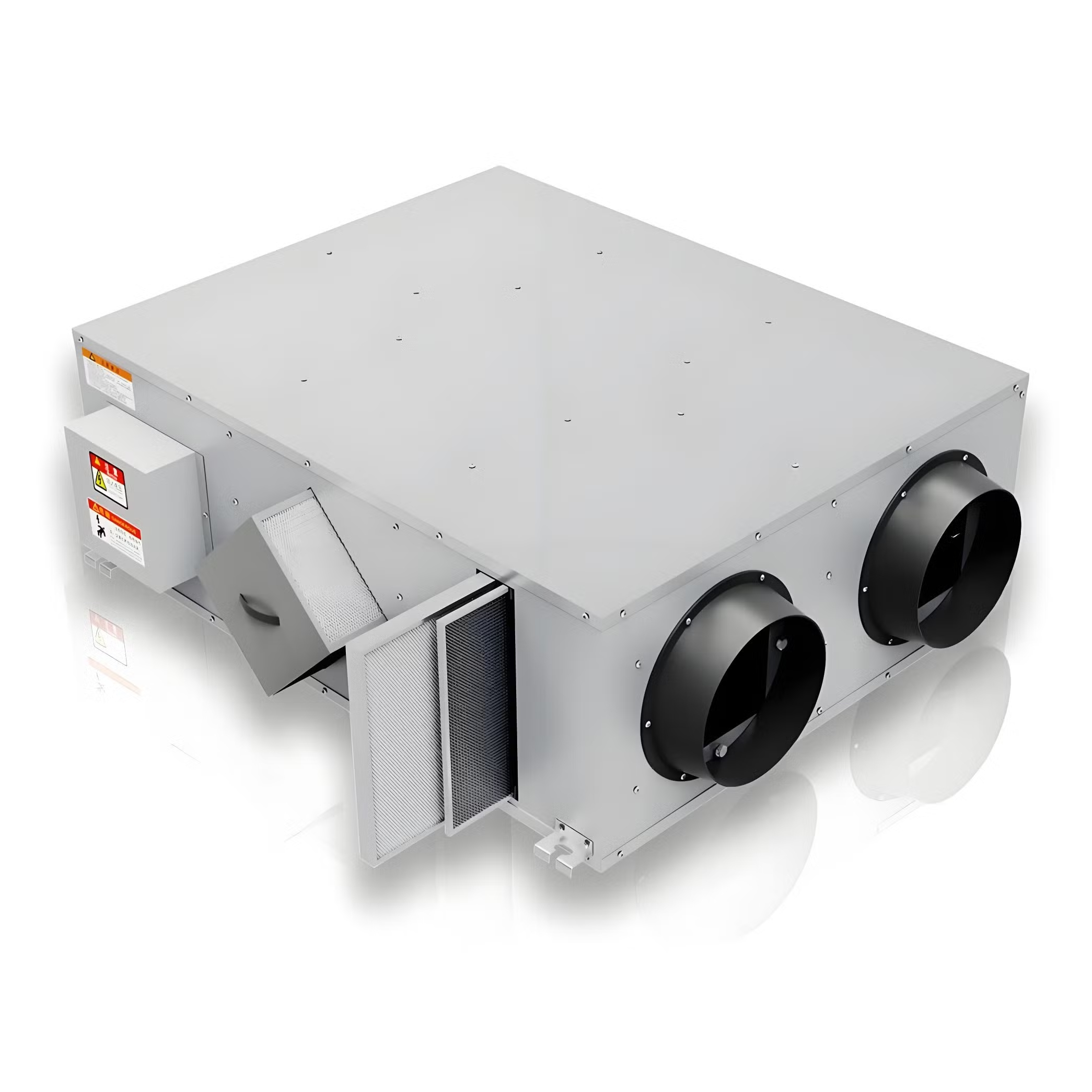
Whole house energy recovery ventilators (ERVs) are mechanical ventilation systems designed to continuously replace stale indoor air with fresh outdoor air—while recovering the energy (and moisture) that would otherwise be wasted. Unlike small window or wall-mounted ventilation units, most ERVs are central systems that integrate with your home’s ductwork (or use dedicated ducts) to provide consistent, whole-home ventilation. Think of them as a “smart” way to open a window without sacrificing your heating or cooling efficiency.
At their core, ERVs solve a critical problem: airtight homes lack natural air exchange, leading to a buildup of indoor pollutants like VOCs, carbon dioxide, allergens, odors, and excess moisture. These pollutants can worsen respiratory health, trigger allergies, and even cause mold growth. ERVs fix this by bringing in filtered outdoor air and expelling stale indoor air—all while keeping your home’s energy use in check.
The magic of ERVs lies in their heat exchanger core—a cross-flow design that allows two air streams (fresh outdoor air and stale indoor air) to pass by each other without mixing. Here’s a step-by-step breakdown of how they operate:
Air Intake & Exhaust: ERVs use two fans: one pulls fresh outdoor air into the system, and the other pushes stale indoor air out. The fresh air is filtered to remove dust, pollen, and other outdoor pollutants before entering your home.
Energy Transfer: As the two air streams pass through the heat exchanger, heat is transferred from the warmer air stream to the cooler one. In winter, the warm, stale indoor air preheats the cold outdoor air; in summer, the cool indoor air pre-cools the hot outdoor air. This reduces the workload on your HVAC system, saving energy.
Moisture Transfer (The “Energy” in ERV): Unlike basic ventilation systems, ERVs also transfer moisture between air streams—a key feature that sets them apart. In summer, they pull moisture from the humid outdoor air into the drier indoor exhaust air, preventing your home from feeling muggy. In winter, they transfer moisture from the warm indoor exhaust air to the dry outdoor air, reducing dryness and improving comfort.
Balanced Airflow: ERVs maintain balanced airflow, meaning they expel the same amount of air they bring in. This prevents negative or positive air pressure in your home, which can cause drafts, moisture issues, or even backdrafting from furnaces or water heaters.
High-quality ERVs can recover 60–90% of the heat from exhaust air, making them a highly efficient addition to any home’s HVAC setup. Many models also come with variable speed controls, allowing you to adjust airflow based on your home’s needs.
ERVs offer a range of benefits that go beyond just fresher air—they improve comfort, save money, and support long-term home health. Here are the top advantages:
Improved Indoor Air Quality: By continuously bringing in filtered fresh air and expelling stale air, ERVs reduce pollutants, allergens, and odors. This is especially beneficial for people with asthma, allergies, or respiratory issues, as well as homes with pets, smokers, or frequent cooking.
Lower Energy Bills: By recovering heat and moisture, ERVs reduce the load on your furnace and air conditioner. This translates to lower energy consumption—some homeowners see a 10–20% reduction in heating and cooling costs.
Balanced Humidity: ERVs prevent excess moisture (which leads to mold and mildew) in summer and dry air (which causes dry skin, sore throats, and cracked wood) in winter. This creates a more comfortable living environment year-round and protects your home’s structure.
Quiet Operation: Unlike noisy window fans or bathroom exhaust fans, central ERVs operate quietly, often at a volume lower than a typical conversation. Most models have variable speed settings, so you can keep them running at low speed for constant ventilation without disruption.
Code Compliance: Many modern building codes require whole-house ventilation systems, especially for airtight homes. ERVs meet these requirements while providing additional energy-saving benefits.
Versatility: ERVs work in all climates—contrary to outdated thinking that they’re only useful in humid areas. They can be installed in new construction or retrofitted into existing homes, and their flexible design allows for vertical or horizontal installation.
You’ve probably heard of heat recovery ventilators (HRVs)—but how do they differ from ERVs? Both are balanced ventilation systems with heat exchangers, but their key difference lies in moisture handling:
ERVs: Recover both sensible heat (dry heat you can feel) and latent heat (moisture-related heat). This makes them ideal for all climates, as they regulate humidity year-round. ERVs don’t require drain pans or defrost cycles, making them almost maintenance-free compared to HRVs.
HRVs: Only recover sensible heat—they do not transfer moisture. They’re often recommended for cold climates where excess moisture is a concern (e.g., preventing condensation in attics or basements). However, HRVs are prone to condensation, require drain pans, and may need defrost cycles, which limit their ventilation potential.
In short: If you want humidity control and energy savings, an ERV is the better choice for most homes. HRVs are a solid option only if you live in a cold, dry climate where moisture transfer isn’t a priority.
Installing a whole house ERV is a job best left to professionals, as it requires integrating with your home’s ductwork, electrical system, and HVAC setup. Here’s what you need to know about installation and maintenance:
Installation costs vary based on your home’s size, ductwork complexity, and whether it’s new construction or a retrofit. For existing homes, fully installed ERVs typically cost $2,500–$6,000 USD, while new construction installations are cheaper ($1,800–$4,500 USD) because ductwork can be planned in advance. ERVs are best installed in conditioned spaces (like basements, utility rooms, or attics) for easy access and to prevent condensation issues. They can integrate with your existing HVAC ductwork or use dedicated ducts to supply fresh air to living areas and exhaust stale air from bathrooms, kitchens, and laundry rooms.
Proper sizing is crucial—most homes need a system that provides 0.35 air changes per hour (or meets local code requirements) to ensure balanced airflow. A professional can assess your home’s square footage, occupancy, and climate to recommend the right size.
ERVs are low-maintenance, but regular upkeep ensures they operate efficiently for years. Here’s a quick maintenance checklist:
Clean Filters: Check and clean or replace filters every 1–3 months (more often if you have pets or allergies).
Inspect the Heat Exchanger Core: Clean the core every 6 months to remove dust and debris that can block airflow.
Check Exterior Hoods: Clean and unblock outdoor intake/exhaust hoods annually to prevent clogs from leaves, dirt, or pests.
Annual Professional Check-Up: Have a qualified technician inspect the fans, electrical components, and ductwork annually to ensure optimal performance.
Most ERVs come with a warranty—typically 5 years for the heat exchanger core and 7 years for the fans—so be sure to keep your purchase receipt and follow maintenance guidelines to avoid voiding the warranty.
ERVs are an excellent investment if:
Your home is airtight (e.g., new construction, energy-efficient retrofits) and lacks natural air exchange.
You struggle with uneven humidity (muggy summers, dry winters) or mold growth.
You want to improve indoor air quality for family members with allergies, asthma, or respiratory issues.
You’re looking to reduce energy bills by lowering your HVAC system’s workload.
You live in a climate with extreme temperatures or humidity (ERVs work in hot, cold, humid, or dry areas).
Even if your home isn’t brand-new, a retrofit ERV can still provide significant benefits—just work with a professional to ensure proper integration with your existing ductwork.
Whole house energy recovery ventilators are more than just ventilation systems—they’re a smart way to balance indoor air quality, comfort, and energy efficiency. By recovering heat and moisture, ERVs solve the biggest downside of airtight homes: stale, unhealthy air. Whether you’re building a new home or looking to upgrade your existing ventilation, an ERV is a long-term investment that pays off in lower bills, healthier air, and greater comfort year-round.
If you’re ready to explore ERVs for your home, start by consulting a trusted HVAC professional who can assess your needs and recommend the right system. Your lungs (and your wallet) will thank you.
 18705226241


