


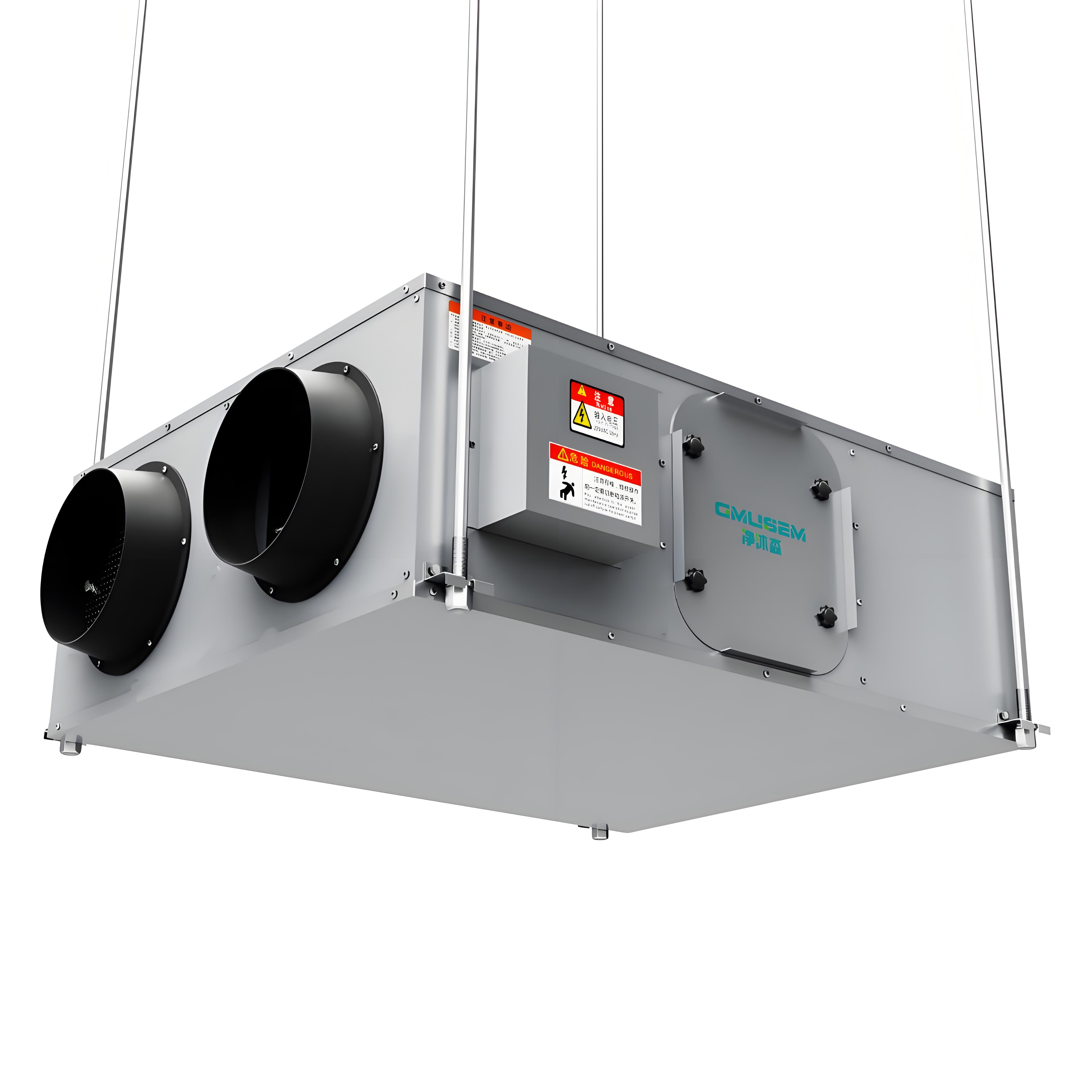
ERV (Energy Recovery Ventilation System) can recover exhaust air energy and purify the air. It is suitable for the warm, humid and rainy climate of Nova Scotia and meets the local demand for improving building ventilation quality and energy conservation. It is highly applicable in various scenarios and areas such as residential communities, schools, university teaching venues, and commercial places in the province. Specifically, it is as follows
1. Existing and newly built residential communities
Most newly-built residences in this province are equipped with heat recovery ventilation devices, and ERV, as a more efficient energy recovery device, is also well-suited. For old apartments in cities like Halifax and Dartmouth, ERV is the preferred choice for renovation. For instance, for buildings like the 54 Jackson Apartment that lack a centralized ventilation system, the renovation plan explicitly states the installation of indoor ERVs. This not only supplies fresh air to residents, reduces indoor odors, but also recovers exhaust heat, lowers heating energy consumption, and filters the air to address outdoor air pollution caused by wildfires and other factors.
2. All kinds of schools in the province
About 19% of schools in Nova Scotia (70 out of 373) have only natural ventilation systems, relying on natural forces such as opening Windows to circulate air. During the pandemic, the problem of insufficient ventilation was exposed, and these schools are the key targets for ERV installation. Whether it is urban schools in Halifax or rural schools in remote towns, installing ERV can not only stably supply clean air to ensure the respiratory health of teachers and students, but also recover energy in winter and summer, meeting the energy-saving needs of long-term operation of schools. Moreover, ERV operates with low noise and will not disrupt the classroom teaching order.
3. Professional teaching venues in colleges and universities
Take Nova Scotia Community College as an example. Both its Kingstke campus and its Streeter campus in Halifax have special teaching ventilation requirements. The cooking teaching areas of this school have previously adopted professional ventilation ceiling systems, and ERV can be adapted to such venues. It can solve the problems of cooking fumes and hot air generated in cooking teaching. The three-layer filtration function can purify the oil stains and odors produced during cooking. The energy recovery function can also reduce the energy consumption in the kitchen area caused by frequent ventilation. Meanwhile, the low-noise operation can ensure a quiet environment during teaching.
4. Coastal commercial and public service venues
ERV is applicable to hotels in the port business district and tourist attractions of Halifax, as well as restaurants throughout the province. These places have a large flow of people and thus have high requirements for ventilation and indoor comfort. The coastal areas of Nova Scotia have relatively high humidity. ERV can balance the indoor humidity and prevent problems such as mold on walls and moisture damage to equipment caused by damp air. When ERVs are installed in catering places, they can work in conjunction with exhaust systems to efficiently handle cooking fumes. In public areas, ERVs can continuously update the air, enhancing the experience of both tourists and consumers. In addition, when commercial buildings in cities like Dartmouth are equipped with HVAC systems, ERV can also be linked with existing air conditioning and refrigeration equipment to help commercial places reduce overall energy consumption.
5. Medical-related facilities
Clinics, small hospitals and elderly care institutions across the province are also suitable for installing ERVs. Such places have strict requirements for indoor air quality and the stability of temperature and humidity. The high-efficiency filtration function of ERV can reduce the spread of bacteria in the air and lower the risk of cross-infection. Meanwhile, the energy recovery feature can reduce the energy consumption during the operation of medical equipment and the maintenance of a constant temperature environment. Local HVAC equipment suppliers such as Trane can also provide technical support for ERV installation and system linkage in such places.
 18705226241


