


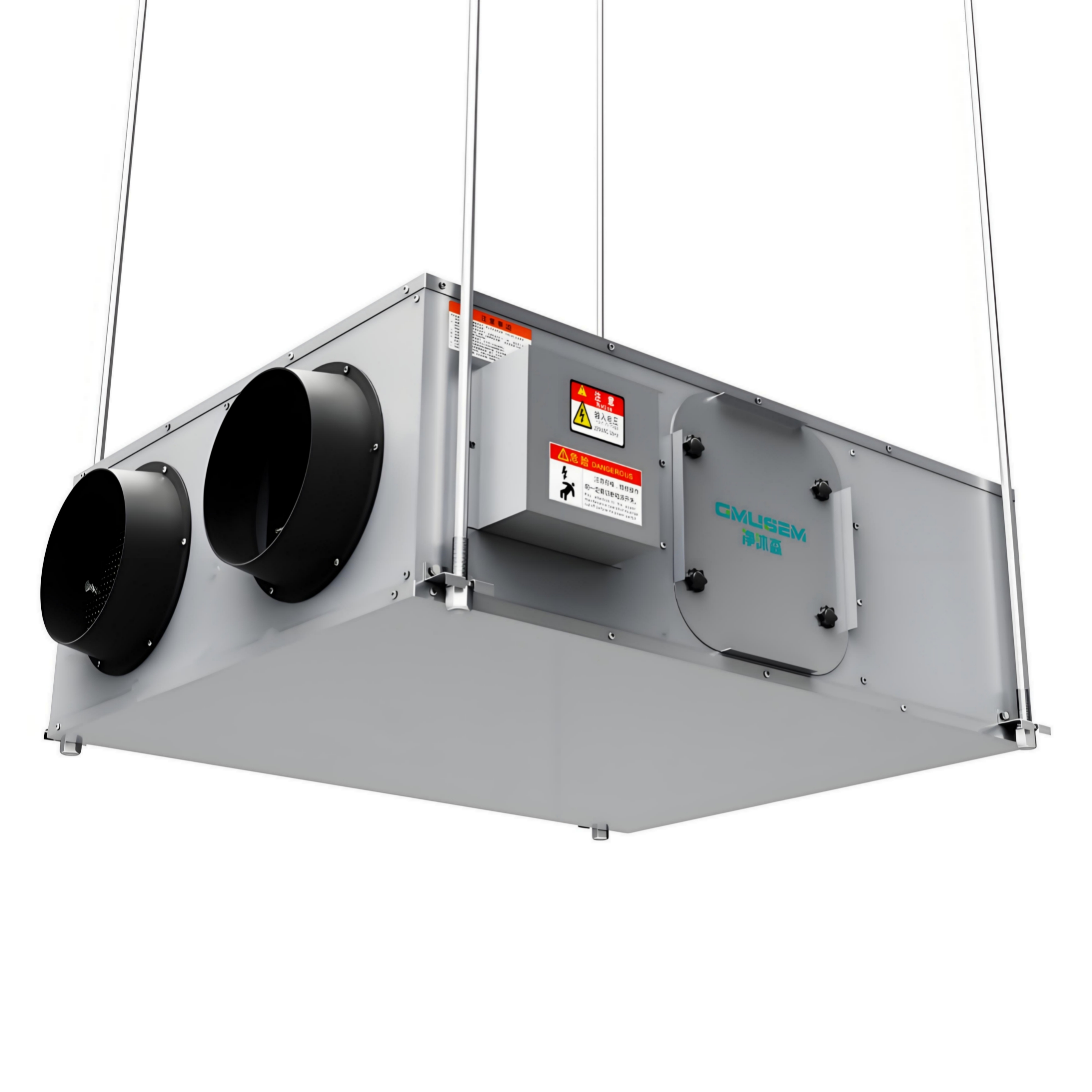
Newfoundland Island in this province mostly has a temperate maritime climate. The northern part of Labrador has a polar tundra climate while the southern part has a subarctic climate. The overall winter is cold and some areas have abundant precipitation. At the same time, industries such as fishing and oil extraction are concentrated, and the population is mostly concentrated in places like the Avalon Peninsula. The ERV ventilation system can balance air exchange and energy recovery, and is adapted to local climate and industrial scenarios. The following are the specific suitable areas and locations:
1. Densely populated urban residential areas
Ninety-five percent of the province's population lives on Newfoundland Island, with more than half concentrated on the Avalon Peninsula. Densely populated urban areas such as St. John's and the town of Southward in the Gulf of Cornside are among them. The local winter temperature is relatively low. To keep warm, houses often keep their doors and Windows tightly closed. Moreover, the Marine climate makes the air humidity high, which easily leads to problems such as indoor dampness and mold growth. The ERV system can not only continuously replace the air, expel the damp air and odors indoors, but also recover the indoor heat, reducing the energy consumption for heating in winter. It is particularly suitable for various living scenarios such as apartment buildings and single-family houses in these urban areas.
2. Core commercial and transportation hub area
The Avalon Shopping Center in St. John's is one of the largest shopping malls in the province, featuring over a hundred stores and a large cinema, with a huge daily foot traffic. The Labrador Mall in Labrador City is also a core commercial venue in the local area. In addition, the port of St. John's is not only a fishing center but also an important transportation hub, as well as transportation stations connecting various places. These places have frequent personnel flow and a high demand for air circulation. Installing an ERV system can quickly complete air replacement, keep the air fresh, and at the same time reduce the energy consumption of air conditioning and ventilation systems, saving the operating costs of commercial places and transportation hubs.
3. Medical and educational facilities
In terms of medical care, a new emergency care hospital complex is under construction at the St. Johnskenmont Crossroads, which also includes a cardiovascular and stroke research institute, as well as large medical institutions such as the Health Sciences Center. The hospital is densely populated with patients, and some areas need to maintain stable temperature and humidity. The ERV system can ensure clean air, reduce the spread of bacteria, and at the same time keep the indoor temperature and humidity stable, reducing the energy consumption of constant temperature ventilation. In terms of education, cities like St. John's have many educational institutions. Classrooms, libraries and other places are crowded with people who stay for long periods of time. The ERV system can efficiently replace the air, providing a high-quality breathing environment for teachers and students, which meets the energy-saving needs of long-term campus operation.
4. "Fishery and Mineral Processing Sites"
Fishery processing is a traditional industry in this province. Coastal towns such as St. John's and Marys have a large number of seafood processing plants. During the processing, unpleasant odors like fishy smells are produced, and the workshops can also become damp due to moisture. In areas such as Labrador, there are mining and processing sites for iron ore, nickel ore, etc., which are prone to generating dust and small amounts of harmful gases during production. The ERV system can supply fresh air to these workshops, improving the working environment for workers. At the same time, it can filter out some dust and odors. Its energy recovery function can also reduce the energy consumption for heating or dehumidification in the workshops, lowering the operating costs of enterprises.
5. Cultural tourism and research-related venues
This province is home to well-known attractions such as Gromone National Park and Tranova National Park. The tourist centers and hotels in the surrounding areas receive a large number of visitors all year round. The ERV system can meet the ventilation needs during peak tourist hours and also adapt to the large temperature difference between day and night in the scenic areas, reducing the energy consumption of air conditioning. In addition, there are research institutions within the province that focus on fishery resources, mineral development, and polar climates. During the research process in the laboratories, slight experimental exhaust gases may be produced, and the operation of the instruments requires a stable temperature and humidity environment. The ERV system can not only achieve air purification and replacement but also maintain the stability of indoor temperature and humidity. Moreover, it can reduce the long-term operating costs of research venues through energy recovery.
 18705226241


