


Anwen is located in Maluku Province of Indonesia, on Anwen Island of the Maluku Islands. It has a **tropical rainforest climate**, with high temperatures and
humidity throughout the year, frequent rainfall and consistently high air humidity. The city is built along the coast, and the salt and moisture brought by the
sea breeze, combined with pollen and microorganisms in the surrounding rainforest, create an outdoor air that is fresh but with high moisture content and
many impurities. Most of the local buildings are designed to adapt to the tropical climate, but they often face problems such as mold growth indoors and poor
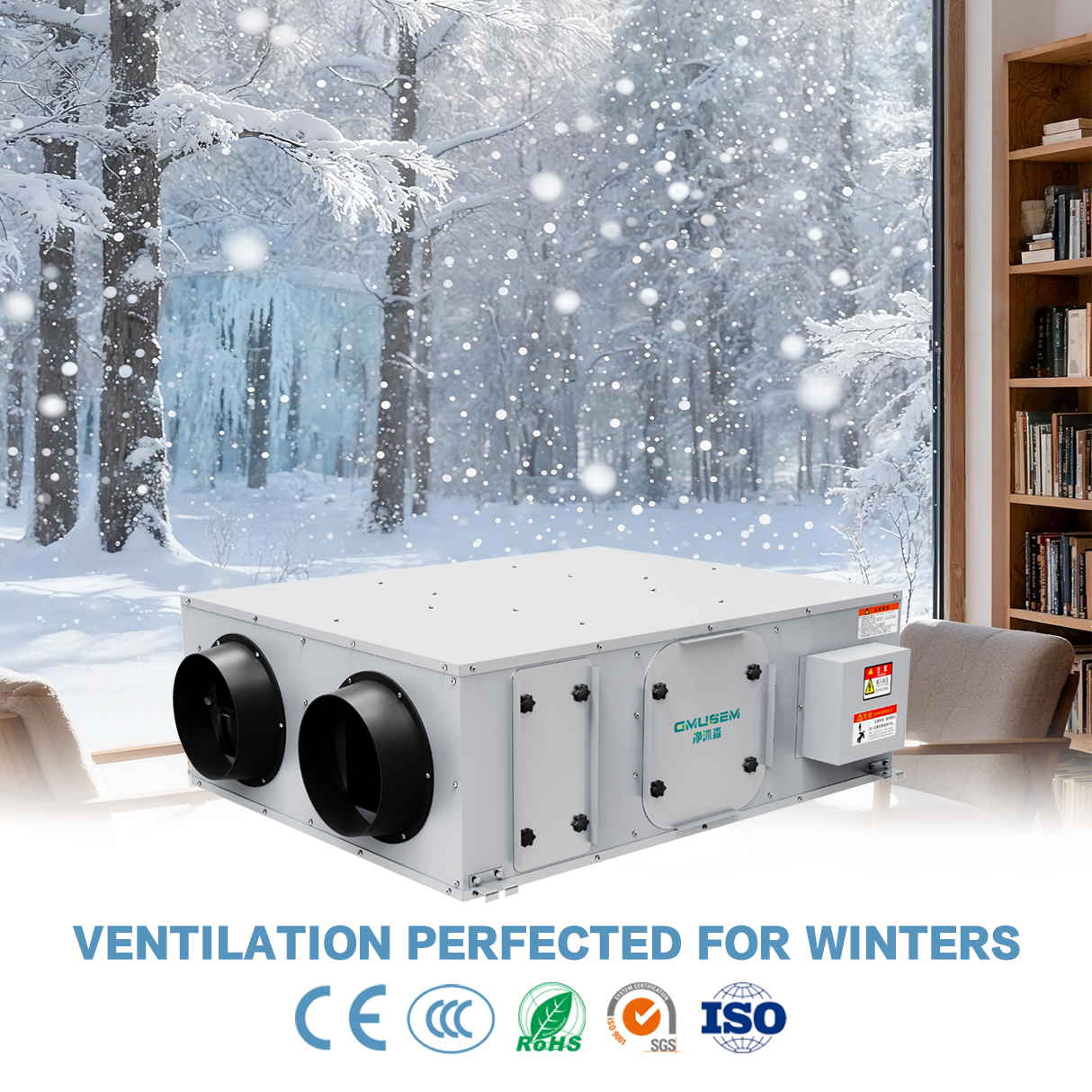
air circulation due to high temperatures and humidity. The ERV (Energy Recovery Ventilation System) can continuously ventilate and exchange air while efficiently
recovering the coldness and humidity from the exhaust air, reducing the energy consumption for air conditioning dehumidification and cooling. It can also filter out
salt, pollen and particles from the outside, balance the indoor temperature and humidity, and prevent mold and unpleasant odors from growing. It is particularly
crucial for improving the indoor air quality and comfort in various places. The following places are especially suitable for installing ERV:
The residential buildings in Anwen are the core application scenarios of the ERV system. Whether it is a single-family house by the sea, a multi-story apartment in the city,
or a modern sealed residence, all can benefit from the ERV system to improve the living environment. The local climate with high temperatures and high humidity throughout
the year makes residents rely on air conditioners for cooling and dehumidification. When doors and windows are tightly closed, it is very easy for indoor air circulation to be blocked,
and the concentration of carbon dioxide to increase. At the same time, the humid environment can cause mold on walls, furniture, and clothes. The salt from the sea wind may also
adhere to the surface of indoor facilities, affecting their lifespan. The ERV system can continuously introduce filtered fresh outdoor air without opening windows, effectively intercepting
the salt in the sea wind and the pollen in the rainforest, removing the stale air and excess moisture in the room, and recovering the cold energy in the exhaust air to reduce the operating
load of the air conditioner. This not only reduces energy costs but also controls the indoor humidity within an appropriate range, preventing mold growth, and creating a dry, fresh, and
clean living environment for residents. It is particularly suitable for families with the elderly, children, and those with respiratory sensitivities, as well as residential buildings in coastal
areas that are prone to the influence of sea wind salt.
As the capital of Maluku Province, Ambon houses a large number of government offices, enterprise offices, business buildings and financial institutions. These commercial office buildings
are densely populated and usually operate with air conditioning that is closed throughout the day. The indoor air is prone to become dirty due to people's breathing, the heat dissipation
of office equipment, and the moisture of documents and paper. Excessive carbon dioxide concentration can also affect the work efficiency of employees. The humid environment may also
cause the office equipment to get damp and the documents to mold. The ERV system can continuously supply filtered fresh air to the office area, diluting harmful gases, odors and moisture
in the room. At the same time, through the energy recovery function, it reduces the energy consumption of the air conditioning required to maintain the indoor temperature and humidity.
This helps to ensure the health of office personnel, improve work efficiency, protect office equipment and document materials from moisture damage, and reduce the operating costs of the
building. It can play a significant role in all areas, including open office areas, independent offices, meeting rooms, reception areas, archives storage rooms, etc.
Ancawan, as an important medical center in eastern Indonesia, has numerous hospitals, clinics, community health centers and maternal and child health care institutions. These medical facilities
have extremely high requirements for indoor air quality. They need to ensure adequate fresh air, prevent cross-infection of bacteria, and maintain a stable temperature and humidity environment to
facilitate patients' recovery. However, the high humidity climate in the area makes the medical environment prone to the growth of bacteria, increasing the risk of cross-infection. The multi-stage filtration
function of the ERV system can effectively intercept pollen, particles, microorganisms and salt from the sea wind in outdoor air, providing clean fresh air to core areas such as wards, operating rooms,
examination rooms, and neonatal intensive care units. At the same time, it efficiently discharges bacteria, polluted air and excessive moisture in the room, reducing the risk of cross-infection. Its energy
recovery feature can also maintain the stability of indoor temperature and humidity while ventilating, avoiding drastic fluctuations in temperature and humidity that may affect the recovery of patients' conditions.
It also provides a healthy, comfortable and dry working environment for medical staff, making it an important choice for medical facilities to improve air quality and operational efficiency.
Tourism is one of the important industries in Anwen. Relying on the island's scenery and diverse cultures, the city is home to numerous hotels, guesthouses, resorts, and seaside inns. These accommodation
facilities need to provide tourists with high-quality living experiences. Indoor air quality, humidity control, and living comfort are the key factors affecting tourists' satisfaction. The local high temperature and
high humidity climate, if not properly ventilated, can easily cause dampness, mold, and unpleasant odors in hotel rooms, guesthouse rooms, and sea-view terraces. The salt brought by the sea breeze can also
corrode indoor facilities, affecting the tourists' living experience. The ERV system can be applied to indoor spaces such as hotel rooms, lobbies, restaurants, leisure areas, and sea-view terraces. It continuously introduces
filtered fresh air, intercepts salt from the sea breeze and pollutants from outside, and recovers energy to reduce the energy consumption of air conditioning dehumidification and cooling. This not only allows tourists to
experience a dry, fresh, and odor-free indoor environment during their stay, enhancing the accommodation experience and hotel reputation, but also helps the accommodation facilities save operating costs, especially
suitable for mid-to-high-end sea-view hotels, boutique guesthouses, and resorts that focus on ecological island experiences.
The educational institutions in Anwen, including schools, kindergartens, and vocational colleges, are also the key areas where the ERV system can be applied. The classrooms, dormitories, libraries, and other areas within
schools have a high concentration of people, and students have relatively weaker immunity. Moreover, there are more pollen and microorganisms in the local air, and the humid environment is prone to breeding bacteria,
which can easily cause the spread of respiratory diseases and skin diseases. In the hot climate throughout the year, schools usually close their doors and windows and turn on air conditioners, resulting in even more severe
problems of poor indoor air circulation. Prolonged exposure to such an environment will affect students' learning efficiency and physical health. The ERV system can continuously provide filtered fresh air to areas such as
classrooms, libraries, dormitories, and canteens, diluting carbon dioxide and bacteria in the rooms, reducing the probability of disease transmission, and filtering pollen and particles from outside to balance indoor humidity
and protect students' respiratory and skin health. Its energy recovery function can also reduce the energy consumption of the school's air conditioning, alleviate the pressure on operating costs, and create a healthy, comfortable,
and dry learning and living environment for students.
In addition, public venues such as shopping malls, supermarkets, farmers' markets, etc. in Anwan, as well as production sites such as food processing plants, seafood processing workshops, and small handicraft factories,
as well as cultural venues like libraries, museums, and cultural centers, are also suitable for installing ERV systems. Public venues have a large flow of people, and the air is prone to become polluted and humid due to human activities.
The ERV system can ensure that the air in the venues is fresh and dry, enhancing the experience of citizens and tourists. Production sites, especially food and seafood processing factories, have a high-humidity environment that can
affect product quality. The ERV system can filter outdoor pollutants, control indoor humidity, prevent products from molding and deteriorating, and at the same time recover energy to reduce energy consumption during the production process.
Cultural venues house items such as books, cultural relics, and artworks that are sensitive to temperature and humidity. The ERV system can precisely control the indoor temperature and humidity, avoiding the damage caused by humid
environments to cultural collections, while providing a comfortable visiting environment for visitors and taking into account the protection of the collections and public experience.
 18705226241


