


In the fast-paced world of manufacturing, warehousing, and industrial operations, maintaining a safe, healthy, and efficient work environment is non-negotiable. One critical component that makes this possible is an industrial ventilation system. But what exactly is an industrial ventilation system, and why is it so essential for modern industrial facilities? Let’s break it down—from its core definition to its key types, components, and real-world impact.
An industrial ventilation system is a specialized network of equipment designed to control air quality, temperature, and airflow within industrial spaces. Unlike residential or commercial ventilation (which focuses primarily on comfort), industrial systems are engineered to address the unique challenges of industrial environments—such as harmful fumes, dust, excess heat, and toxic gases—while ensuring compliance with safety regulations and optimizing operational efficiency.
At its core, the system’s primary goal is twofold:remove contaminants from the air and supply clean, fresh air to replace it. This not only protects the health of workers but also preserves equipment, reduces downtime, and ensures consistent productivity.
Industrial workplaces often generate a range of pollutants that can pose serious risks if left unaddressed. For example, manufacturing processes may release welding fumes, chemical vapors, or metal dust; warehouses with heavy machinery can accumulate excess heat; and facilities handling hazardous materials may produce toxic gases. Without proper ventilation, these contaminants can build up, leading to:
Respiratory illnesses and long-term health issues for workers (e.g., asthma, lung disease, or chemical poisoning).
Increased fire and explosion risks (especially with flammable fumes or dust).
Damage to equipment due to excess heat, dust buildup, or corrosive gases.
Non-compliance with safety standards (such as OSHA regulations in the U.S. or EU directives), resulting in fines or operational shutdowns.
A well-designed industrial ventilation system mitigates these risks, creating a safer, more comfortable workspace that supports both workers and operations.
Industrial ventilation systems are not one-size-fits-all—they are tailored to the specific needs of the facility. The two main categories are:
Local exhaust ventilation is the most common type, designed to capture contaminantsat the source before they can spread into the workspace. This is ideal for processes that generate concentrated pollutants (e.g., welding, grinding, chemical mixing, or painting).
How it works: A hood or nozzle is placed directly above or near the contaminant source, connected to ducts that carry the polluted air to a filter, scrubber, or exhaust fan. The cleaned air is either released outside the facility or recirculated (if safe to do so).
Examples: Fume hoods in chemical labs, welding fume extractors, and dust collection systems for woodworking or metalworking.
Dilution ventilation works by supplying large volumes of fresh air to the entire industrial space, diluting the concentration of contaminants to safe levels. This type is best for spaces where contaminants are spread out (not concentrated at a single source) or where local exhaust is not feasible.
How it works: Fresh air is introduced through supply fans or vents, while polluted air is exhausted through exhaust fans or natural ventilation (e.g., windows, roof vents). The key is to maintain a consistent airflow that keeps contaminant levels below safety thresholds.
Examples: Warehouses, large manufacturing halls, and facilities with low-level contaminant generation (e.g., packaging plants).
Regardless of type, most industrial ventilation systems share these essential components:
Hoods/Intakes: Capture contaminants (for LEV) or supply fresh air (for dilution ventilation). Hood design is critical—poorly placed or sized hoods will fail to effectively capture pollutants.
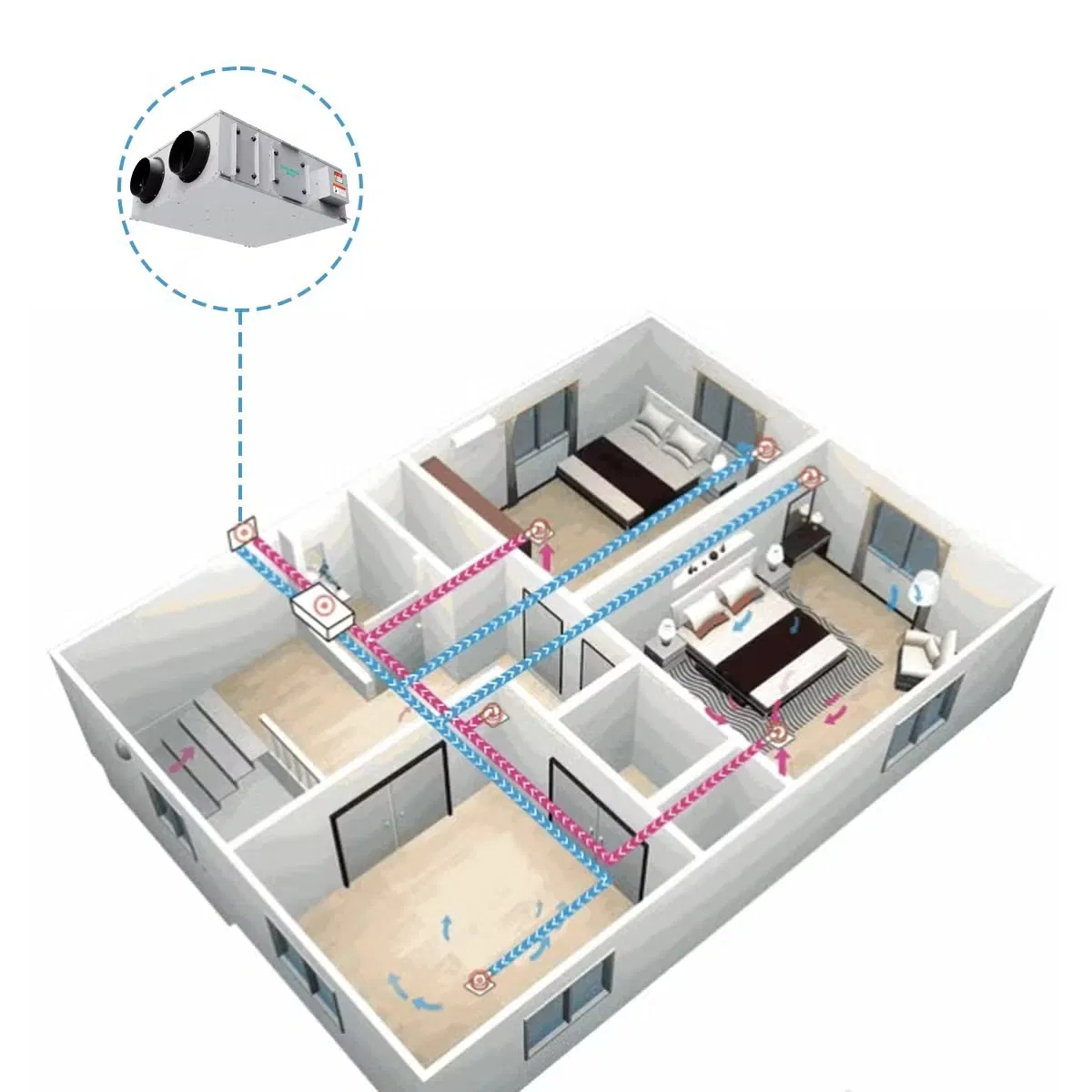
Ductwork: A network of pipes that transports air (polluted or fresh) throughout the facility. Ducts must be properly sized and maintained to avoid airflow restrictions or leaks.
Fans: The "heart" of the system—supply fans push fresh air in, while exhaust fans pull polluted air out. Fan size and speed are determined by the facility’s airflow needs.
Filters/Scrubbers: Clean the air before it is recirculated or exhausted. Filters remove solid particles (e.g., dust), while scrubbers remove gases or vapors (e.g., chemical fumes).
Controls: Sensors and regulators that monitor air quality, temperature, and airflow, adjusting the system as needed to maintain safety and efficiency (e.g., turning fans on/off based on contaminant levels).
Industrial ventilation systems are used across nearly every industry, including:
Manufacturing: Welding, metal fabrication, plastic molding, and chemical processing.
Food Processing: Ventilating kitchens, bakeries, and food packaging facilities to control odors and moisture.
Pharmaceuticals: Maintaining clean air in labs and production areas to comply with strict hygiene standards.
Mining: Removing dust and toxic gases from underground mines.
Warehousing & Distribution: Controlling temperature and humidity to protect stored goods and workers.
An industrial ventilation system is more than just a "fan and ducts"—it’s a critical investment in worker safety, equipment longevity, and regulatory compliance. By understanding what an industrial ventilation system is, its key types, and its components, facility managers can make informed decisions to design or upgrade their systems, ensuring a safer, more efficient workplace.
Whether you’re operating a small manufacturing shop or a large industrial complex, the right ventilation system can make all the difference. If you’re unsure about the type of system your facility needs, consulting with a ventilation expert is always a smart step—after all, a well-designed system is an investment that pays off in the long run.
 18705226241


