


In an era where energy efficiency and indoor air quality (IAQ) are top priorities for homeowners and building managers alike, you’ve likely heard the term “ERV” thrown around—but what exactly is it, and how can it transform your space? Short for Energy Recovery Ventilation, an ERV is a game-changing mechanical system designed to keep your indoor air fresh, comfortable, and energy-efficient—all without wasting the heating or cooling energy you’ve already paid for. Let’s break down everything you need to know about ERVs, from how they work to why they’re a smart investment for any home or building.
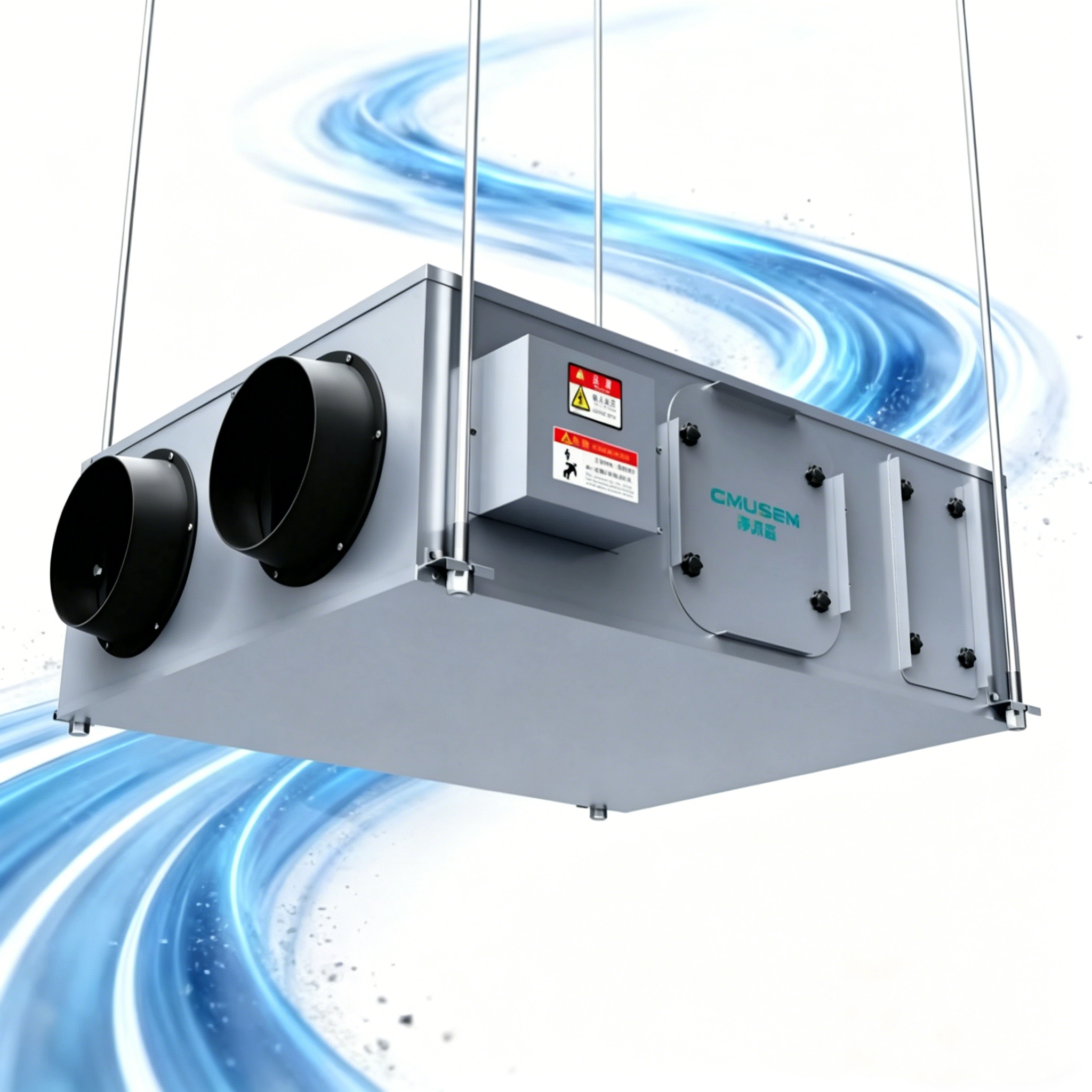
At its core, an Energy Recovery Ventilator (ERV) is a ventilation system that replaces stale, polluted indoor air with fresh outdoor air—while recapturing the energy from the air that’s being exhausted. Unlike traditional ventilation systems (like bathroom or kitchen exhaust fans) that simply push stale air out and let fresh air seep in randomly, ERVs create a balanced, controlled airflow that maintains indoor comfort and cuts down on energy waste.
Here’s the key difference: ERVs transfer both sensible heat (temperature) and latent heat (moisture) between the outgoing stale air and incoming fresh air. This means they don’t just temper the temperature of the fresh air—they also adjust its humidity, making your space more comfortable year-round. In contrast, their close cousin, Heat Recovery Ventilators (HRVs), only transfer sensible heat and don’t handle humidity, making ERVs the better choice for most climates, especially those with extreme heat, cold, or humidity.
ERVs operate on a straightforward yet brilliant principle: two separate air streams (one for fresh outdoor air, one for stale indoor air) pass through a heat exchanger core—without mixing. This core acts as a bridge, transferring energy and moisture between the two streams, so you get fresh air that’s already close to your indoor temperature and humidity levels.
Let’s walk through the process step by step:
Fresh Air Intake: Outdoor air is drawn into the ERV through a supply duct and passes through a filter to remove pollen, dust, and other particulates before reaching the heat exchanger core.
Stale Air Exhaust: At the same time, stale indoor air (filled with CO2, VOCs, cooking odors, or pet dander) is pulled into the ERV through an exhaust duct.
Energy & Moisture Transfer: As the two air streams flow past each other in the heat exchanger, the outgoing stale air transfers its heat and moisture to the incoming fresh air. In summer, this pre-cools and dehumidifies the hot, humid outdoor air; in winter, it warms and adds moisture to the cold, dry outdoor air.
Balanced Airflow: Quiet, variable-speed fans ensure equal volumes of air are brought in and exhausted, keeping indoor pressure neutral. This prevents back-drafting (where harmful gases like carbon monoxide seep back into the home) and maintains consistent ventilation.
The result? Fresh, clean air without the energy waste of heating or cooling outdoor air from scratch. Most ERVs can recover 40–80% of the energy from exhausted air, making them a highly efficient solution for modern, tightly sealed buildings.
ERVs offer a host of advantages that go beyond just better air quality—they’re a long-term investment in comfort, health, and energy savings. Here are the top benefits:
Indoor air can be 2–5 times more polluted than outdoor air, thanks to trapped dust, pet dander, VOCs (from paints, furniture, and cleaning products), and excess moisture. ERVs continuously replace this stale air with filtered fresh air, reducing allergens, odors, and pollutants. This is especially beneficial for people with allergies, asthma, or respiratory issues.
By recapturing energy from exhausted air, ERVs reduce the workload on your HVAC system. The U.S. Department of Energy notes that poor ventilation can cause homes to lose up to 30% of their energy—ERVs stop that waste dead in its tracks. In extreme climates, this can slash heating and cooling costs significantly; some homeowners see savings of up to 50% on their heating bills alone.
Humidity is one of the biggest contributors to discomfort and home damage. In summer, ERVs dehumidify incoming air, preventing mold growth, mildew, and warped wood trim. In winter, they add moisture to dry indoor air, reducing dry skin, chapped lips, and static electricity. This balanced humidity also extends the life of your furniture, flooring, and HVAC equipment.
Because ERVs pre-condition incoming air to match your indoor temperature and humidity, you’ll feel more comfortable without cranking up the heat or AC. No more cold blasts of outdoor air in winter or muggy, hot air in summer—just consistent, fresh comfort.
Modern building codes (like ASHRAE 90.1 and IECC-2009) require adequate ventilation to ensure indoor air quality, especially in tightly sealed, energy-efficient homes. ERVs meet these standards while maintaining the energy efficiency of your building, making them a must-have for new construction or renovations.
ERVs come in three main types, each with unique features to suit different spaces and needs. The right choice depends on your home size, climate, and budget:
The most common type of ERV, enthalpy wheels (or rotary wheels) use a rotating matrix of moisture-adsorbing material (like a desiccant) to transfer heat and moisture. They’re highly efficient (with effectiveness ratings up to 75% or more) and work well in most climates. However, they have moving parts, so they require regular maintenance to keep the wheel clean and functioning properly.
Fixed-plate ERVs have no moving parts—instead, they use thin, heat-conductive plates to transfer energy and moisture between air streams. They’re quieter, require less maintenance, and can be just as efficient as enthalpy wheels. They’re a great choice for homes where noise is a concern or for those who want a low-maintenance option. Just be sure to keep the plates clean to maintain efficiency.
Heat pipe ERVs use a closed loop of refrigerant to transfer heat between air streams. They’re effective in extreme climates and can handle high humidity levels, making them ideal for hot, humid areas like Florida. They’re also durable and require minimal maintenance, though they tend to be more expensive upfront.
Selecting the right ERV depends on a few key factors. Here are 5 expert tips to guide your decision:
Assess Your Home’s Size: Choose an ERV with the right airflow capacity (measured in CFM or L/s) based on your home’s square footage and number of occupants. Follow ASHRAE 62.1 guidelines, which recommend a specific ventilation rate per person and per square foot.
Check Energy Efficiency Ratings: Look for ERVs with high energy recovery efficiency ratings (aim for 60–80%). The higher the rating, the more energy you’ll save.
Consider Your Climate: If you live in a hot, humid climate, prioritize an ERV with strong dehumidification capabilities (like enthalpy wheels or heat pipes). In cold, dry climates, focus on moisture retention to avoid dry indoor air.
Think About Maintenance: If you prefer low-maintenance systems, opt for a fixed-plate ERV. If you don’t mind regular cleaning, an enthalpy wheel ERV may offer higher efficiency.
Factor in Installation: ERVs require professional installation to ensure proper ductwork and airflow balance. Choose a model that fits your existing HVAC setup, or work with a contractor to design a system that meets your needs.
Like any HVAC system, ERVs require regular maintenance to maintain efficiency and performance. Here’s a quick maintenance checklist:
Clean or Replace Filters: Check filters every 1–3 months and replace them as needed (or clean reusable filters). Clogged filters reduce airflow and efficiency.
Clean the Heat Exchanger Core: For enthalpy wheels, clean the matrix annually to prevent buildup of dust and debris, which can reduce heat transfer efficiency. For fixed-plate ERVs, wipe down the plates to remove dirt.
Inspect Fans and Ducts: Check fans for noise or wear, and ensure ducts are sealed properly to prevent air leaks. Leaky ducts can reduce ventilation effectiveness and waste energy.
Schedule Professional Servicing: Have a professional HVAC technician inspect your ERV annually to check for any issues and ensure it’s running at peak efficiency.
If you’re looking to improve indoor air quality, cut energy costs, and enhance comfort in your home or building, the answer is a resounding yes. ERVs solve the classic trade-off between ventilation and energy efficiency—they let you have fresh, clean air without wasting the energy you use to heat or cool your space. Whether you’re building a new home, renovating an existing one, or simply looking to upgrade your ventilation system, an ERV is a smart, long-term investment.
Remember: not all ERVs are created equal. Take the time to choose the right type and size for your needs, and don’t skip maintenance—doing so will ensure your ERV works effectively for years to come. With an ERV, you’ll breathe easier, save money, and enjoy a more comfortable space year-round.
 18705226241


