


We all want fresh, clean air in our homes—but balancing ventilation with energy efficiency can feel like a puzzle. If you’ve ever wondered how to bring in outdoor air without skyrocketing your heating or cooling bills, an energy recovery ventilator (ERV) might be the solution. In this post, we’ll break down exactly what an ERV is, how it works, and whether it’s a worthwhile investment for your space.
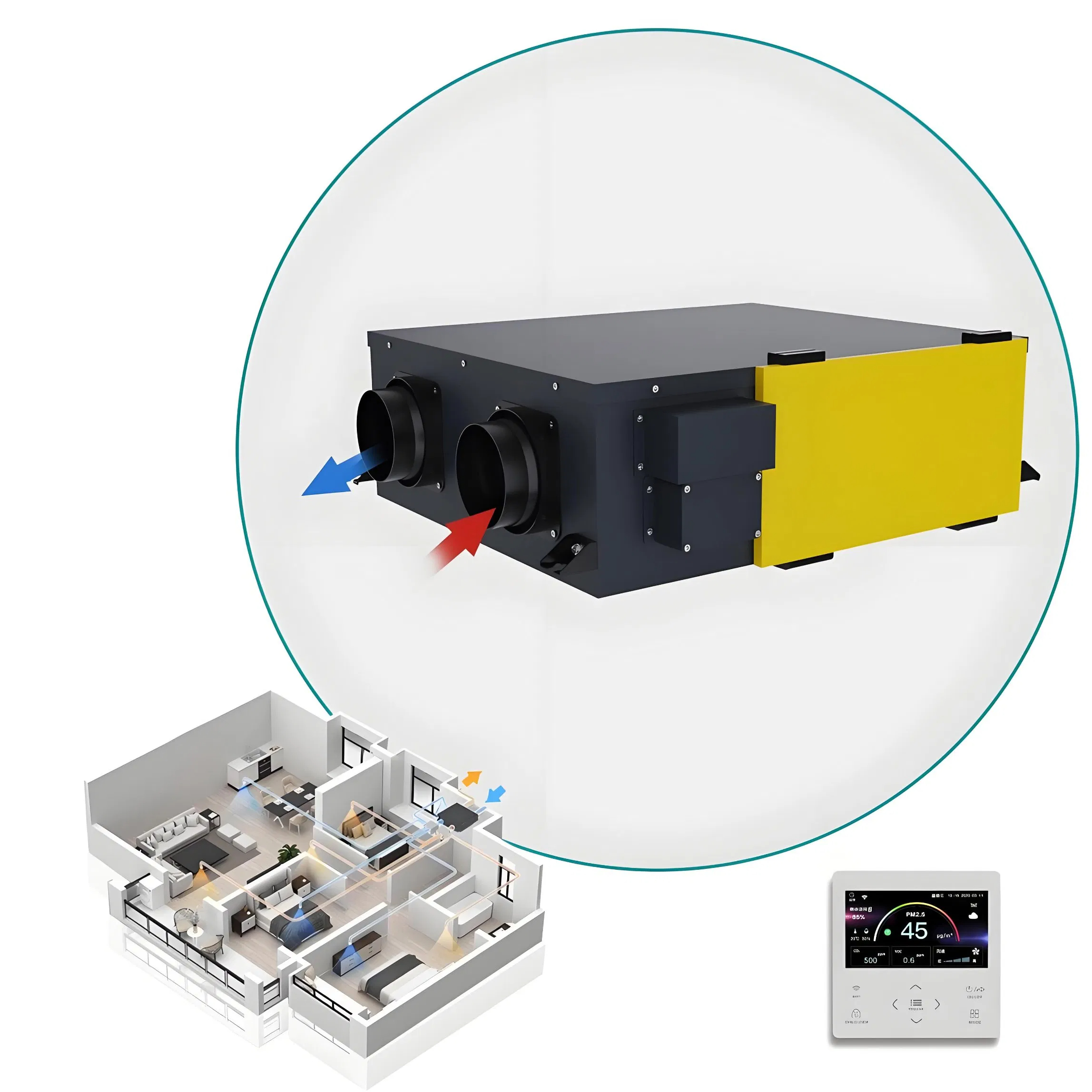
An energy recovery ventilator is a whole-home ventilation system designed to exchange stale indoor air with fresh outdoor air while transferring energy between the two air streams. Unlike simple exhaust fans that just push stale air out (or supply fans that pull fresh air in), ERVs recover the heating or cooling energy from the air being exhausted, using it to precondition the incoming fresh air. This process cuts down on the work your HVAC system has to do, saving energy and money.
ERVs are often confused with heat recovery ventilators (HRVs), but there’s a key difference: ERVs also transfer moisture, while HRVs only transfer heat. This makes ERVs ideal for climates where both temperature and humidity control matter—we’ll dive into that later.
The core of an ERV is a heat exchanger, a component that lets indoor and outdoor air streams pass close to each other (without mixing) to transfer energy and moisture. Here’s a step-by-step breakdown of the process:
Exhaust Air Pulled In: The ERV’s fan draws stale, polluted indoor air (from kitchens, bathrooms, bedrooms—areas where air quality declines) into the system.
Fresh Air Intake: At the same time, the system pulls in fresh outdoor air.
Energy & Moisture Transfer: The two air streams pass through the heat exchanger. In winter, the warm, moist indoor exhaust air heats and adds moisture to the cold, dry outdoor air. In summer, the cool, dry indoor exhaust air cools and removes moisture from the hot, humid outdoor air.
Air Distribution: The preconditioned fresh air is pushed into your home’s ductwork (or directly into living spaces), while the stale exhaust air is pushed outside.
Most ERVs also include filters to remove dust, pollen, and other pollutants from the incoming outdoor air, boosting indoor air quality (IAQ) even more. Some models also have variable speed fans, so you can adjust ventilation levels based on your home’s needs.
ERVs offer a mix of comfort, health, and energy-saving benefits that make them stand out from basic ventilation systems:
Improved Indoor Air Quality: By continuously replacing stale air with filtered fresh air, ERVs reduce levels of indoor pollutants like VOCs (from furniture/paints), carbon dioxide, mold spores, and pet dander. This is especially important for homes with tight insulation (common in modern builds) that trap pollutants inside.
Energy Efficiency: By recovering up to 80% of the energy from exhaust air, ERVs reduce the load on your furnace or air conditioner. For example, in winter, you won’t waste as much heat warming frigid outdoor air; in summer, you won’t overwork your AC cooling hot, humid air. This translates to lower monthly utility bills.
Better Humidity Control: Unlike HRVs, ERVs balance moisture levels. In winter, they add moisture to dry indoor air (preventing dry skin, cracked wood, and static). In summer, they remove excess moisture from outdoor air (reducing that sticky, muggy feeling and preventing mold growth).
Consistent Comfort: Preconditioned incoming air means fewer temperature fluctuations throughout your home. No more cold blasts of outdoor air in winter or hot bursts in summer—just steady, comfortable air.
Whether an ERV is right for you depends on your home’s construction, climate, and your family’s needs. Here are the top scenarios where an ERV is a smart investment:
Modern homes are built to be airtight to reduce energy loss—but this also traps stale air and pollutants. If your home has good insulation, double-paned windows, or was built to ENERGY STAR standards, it likely lacks natural ventilation. An ERV provides the fresh air you need without sacrificing energy efficiency.
ERVs shine in climates where both temperature and humidity are a concern. This includes: - Cold, dry winters (e.g., the Northern U.S., Canada): ERVs add moisture while recovering heat. - Hot, humid summers (e.g., the Southeast U.S.): ERVs remove moisture while recovering cool air. If you live in a mild, dry climate, a basic ventilation fan or HRV might be sufficient—but ERVs offer more versatility for variable weather.
Poor IAQ can worsen respiratory conditions. ERVs filter incoming air and reduce pollutants, creating a healthier environment. They also reduce mold growth by balancing humidity, which is a common trigger for allergies and asthma.
Watch for these red flags that your home needs better ventilation: - Persistent condensation on windows (a sign of excess moisture). - Musty odors (indicates mold or mildew growth). - Feeling stuffy or sleepy indoors (high CO2 levels). - Dry air causing skin irritation or static (winter). If you’re experiencing any of these, an ERV can help resolve them.
ERVs aren’t a one-size-fits-all solution. You might not need one if: - Your home has ample natural ventilation (e.g., older homes with leaky windows, cross-ventilation from multiple windows). - You live in a very dry climate (e.g., the Southwest U.S.) where humidity control isn’t a priority—an HRV (which only transfers heat) might be cheaper and more effective. - You already have a whole-home ventilation system that meets your needs (e.g., a balanced ventilation system with heat recovery).
For most modern homes—especially those in extreme climates or with family members sensitive to air quality—an ERV is a valuable investment. It balances fresh air with energy efficiency, improves comfort, and supports better health. While upfront costs (installation + unit) can range from $1,500 to $4,000 (depending on size and features), the long-term energy savings and IAQ benefits often justify the expense.
If you’re on the fence, consult a local HVAC professional. They can assess your home’s ventilation needs, recommend the right size ERV, and ensure proper installation (which is key to maximizing efficiency).
At the end of the day, an ERV isn’t just about ventilation—it’s about creating a home that’s healthy, comfortable, and efficient for years to come.
 18705226241


