


If you’ve ever struggled with stale indoor air, sky-high heating and cooling bills, or unbalanced humidity in your home or commercial space, you’ve likely heard the term energy recovery ventilation (ERV) thrown around in HVAC and indoor air quality conversations. But what exactly is an ERV system, how does it work, and why is it becoming a must-have upgrade for modern, energy-efficient buildings? In this blog, we break down everything you need to know about energy recovery ventilation—from its core functionality to its key benefits and how it stacks up against similar ventilation systems.
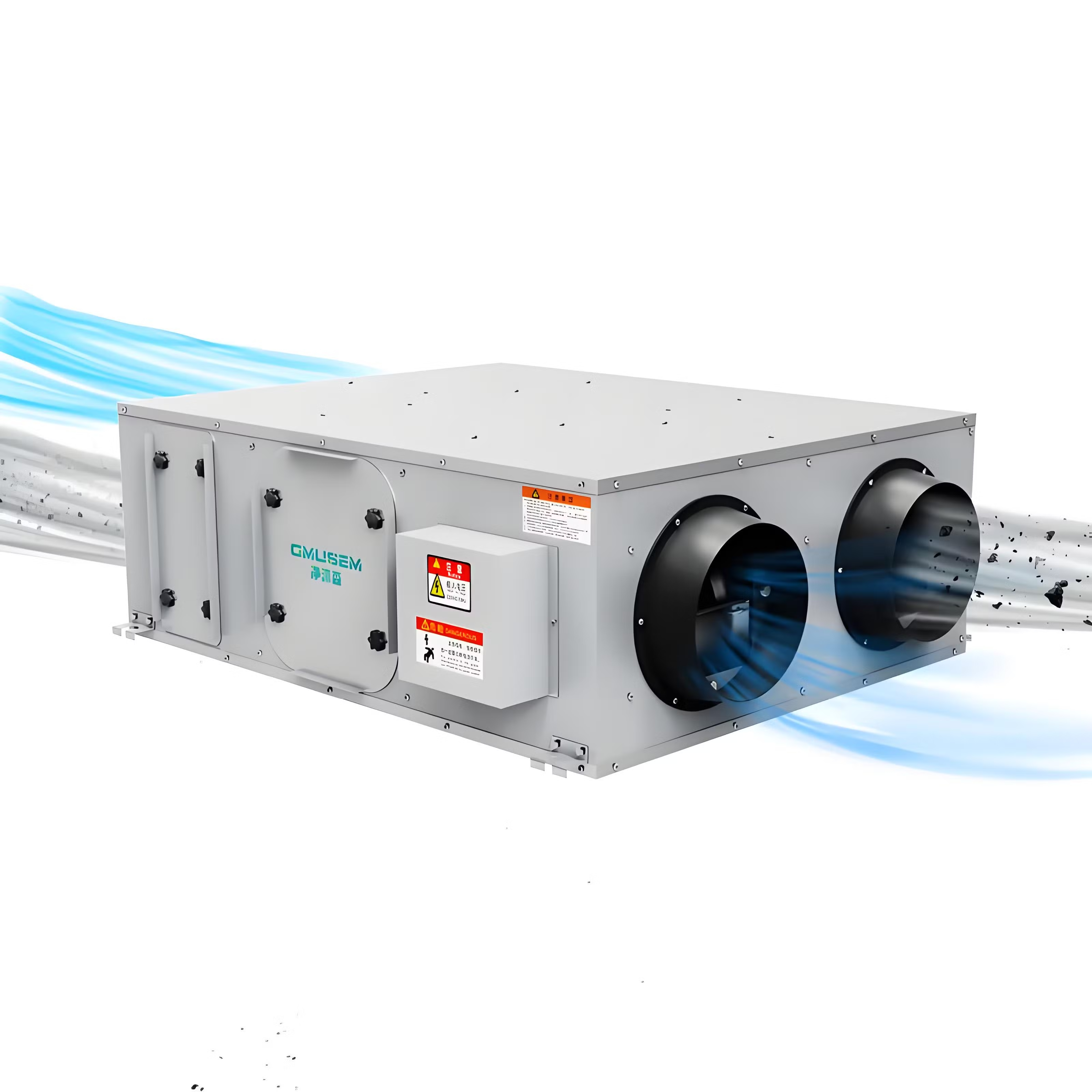
At its simplest, an energy recovery ventilation (ERV) system is a smart, balanced ventilation solution that exchanges stale, polluted indoor air with fresh outdoor air—without wasting valuable heating or cooling energy. Unlike basic exhaust fans or window ventilation that let conditioned air escape freely, an ERV unit captures and transfers thermal energy (and moisture) between the outgoing exhaust air and incoming fresh air, pre-conditioning the outdoor air before it circulates throughout your space.
More formally, ERV is a total enthalpy ventilation system, meaning it transfers both sensible heat (temperature-related energy) and latent heat (moisture-related energy). This dual transfer sets it apart from other ventilation technologies and makes it incredibly versatile for diverse climates, from hot and humid summers to cold, dry winters.
The magic of ERV lies in its core component: a highly efficient air-to-air heat exchanger. Here’s a step-by-step breakdown of its operation:
Dual Air Streams: The system uses two separate, dedicated fans—one pulls in filtered fresh outdoor air, while the other pushes out stale indoor air (loaded with pollutants, excess moisture, and odors). The two air streams never mix, eliminating cross-contamination.
Energy & Moisture Transfer: As both air streams pass through the heat exchanger core, heat and moisture move from the warmer, more humid stream to the cooler, drier one. In winter, the unit captures heat and moisture from exhaust air to warm and humidify cold, dry incoming air. In summer, it removes heat and humidity from hot outdoor air to cool and dehumidify fresh air before it enters your space.
Filtered, Conditioned Air Delivery: The pre-treated, filtered fresh air is distributed into living or working areas, while the energy-depleted exhaust air is safely vented outside. Many ERV systems also include built-in air filters to trap dust, pollen, allergens, and other particulate matter, boosting indoor air quality even further.
A common point of confusion is distinguishing ERV from heat recovery ventilation (HRV) systems—both are energy-recovery ventilators, but they serve different needs:
ERV Systems: Transfer both heat and moisture, making them ideal for humid climates, mixed climates, and tight, well-insulated homes where humidity control is critical. They prevent overly dry air in winter and sticky, humid air in summer, maintaining consistent indoor comfort.
HRV Systems: Only transfer sensible heat (no moisture exchange), classifying them as sensible-heat-only devices. They work best in cold, dry climates where excess indoor moisture is rarely an issue, and preventing dry air isn’t a top priority.
For most modern residential and light commercial buildings, ERV is the more flexible, all-around choice thanks to its humidity-regulating capabilities.
By recovering up to 80% of the energy that would otherwise be lost to exhaust, ERV systems drastically reduce the workload on your heating and cooling equipment. This means your furnace, heat pump, or air conditioner runs less frequently and uses less power, cutting monthly energy costs without sacrificing ventilation or comfort.
Tightly sealed homes and buildings trap pollutants like dust, mold spores, volatile organic compounds (VOCs), pet dander, and cooking fumes—leading to poor IAQ and potential respiratory issues. ERV systems continuously flush out these contaminants and supply fresh, filtered outdoor air, creating a healthier environment for families, employees, and occupants.
Dry winter air causes static electricity, dry skin, and irritated sinuses, while humid summer air feels stuffy and uncomfortable. ERV’s moisture transfer feature stabilizes indoor humidity levels year-round, eliminating these discomforts and creating a consistently pleasant indoor climate.
Since ERV reduces the runtime and strain on your heating and cooling systems, your HVAC equipment experiences less wear and tear. This translates to fewer repairs, longer equipment life, and better long-term reliability for your entire HVAC system.
Lower energy consumption means a reduced carbon footprint for your home or building. ERV systems align with green building standards, energy codes (like IECC and ASHRAE 90.1), and sustainable construction goals, making them a eco-conscious upgrade for any property.
ERV systems shine in specific settings and scenarios, including:
Newly constructed, airtight homes with minimal natural ventilation
Residential spaces in humid or mixed climates
Commercial buildings (offices, schools, retail spaces) prioritizing occupant comfort and energy efficiency
Homes with allergy or asthma sufferers needing cleaner, filtered air
Properties looking to meet strict energy efficiency and green building certifications
An energy recovery ventilation system isn’t just a ventilation upgrade—it’s a holistic solution for balancing indoor air quality, energy efficiency, and year-round comfort. Whether you’re building a new home, renovating an existing space, or simply tired of wasting money on wasted conditioned air, an ERV system delivers tangible benefits that pay off in lower bills, healthier air, and a more comfortable living or working environment.
If you’re ready to improve your indoor air quality while cutting energy costs, consult a licensed HVAC professional to assess your space and find the right ERV system for your unique needs.
 18705226241


