


If you’ve ever struggled with stuffy indoor air, high heating and cooling bills, or excess condensation on windows, you may have come across one of the most clever innovations in modern HVAC: a recuperator air system. Also widely known as a heat recovery ventilation (HRV) or mechanical ventilation with heat recovery (MVHR) unit, this quiet, energy-efficient ventilation solution is growing fast among homeowners, passive house builders, and commercial property owners. But what exactly is it, and how does it pull off the trick of delivering fresh air without wasting precious conditioned heat or cool air?
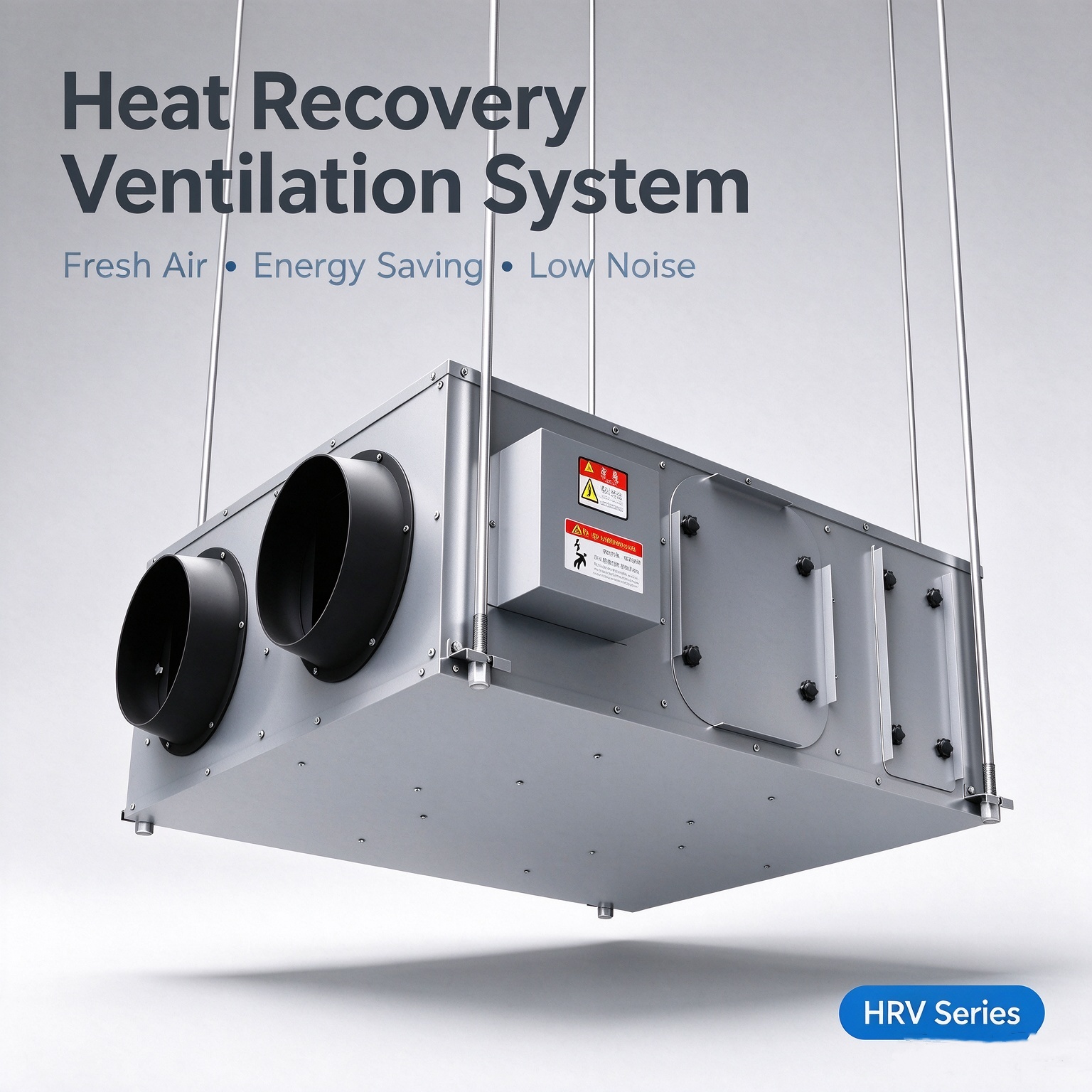
A recuperator air system is a mechanical ventilation device fitted with a heat exchange core — the “recuperator” — that transfers thermal energy between incoming fresh outdoor air and stale exhaust air pulled out from inside your building. Unlike basic exhaust fans that simply blow indoor air outside and let conditioned heat escape, or window ventilation that creates huge temperature swings, it continuously swaps air while recovering most of the energy already used to heat or cool your space. Many premium models also handle moisture transfer, better balancing indoor humidity all year round.
So how does it work, step by step?
First, two separate air streams run through the unit at the same time. One duct pulls stale, humid air from high-moisture, high-odor rooms: bathrooms, kitchens, and utility rooms. This exhaust air carries heat in winter or coolness in summer and flows into the recuperator core. At the same time, a second duct draws in fresh outdoor air, filters it through built-in filters — often H11 or H13 high-efficiency filters to trap pollen, dust, mould spores and airborne pollutants — before it passes alongside the exhaust stream inside the heat exchanger.
The two airstreams never mix. Inside the counterflow recuperator core, heat transfers across thin separating layers. In cold winter weather, warmth from the outgoing stale air passes to the cold incoming fresh air, preheating it before it gets distributed to bedrooms and living areas. In hot summer conditions, the cool indoor exhaust air cools down the incoming warm outdoor air. This simple exchange cuts down the workload on your heater or air conditioner dramatically.
Most modern recuperator air systems come with adjustable fan speeds, humidity sensors, and smart controllers. High-end options support Modbus or Tuya smart control, letting users tweak airflow, set schedules, and monitor indoor air quality remotely. You can run it on low speed for quiet, continuous background ventilation, or crank up the airflow when cooking, showering, or hosting guests to quickly flush out moisture and odours.
The benefits stretch far beyond energy savings. By providing a steady supply of filtered fresh air, a recuperator air system prevents the common problems of tightly sealed modern homes: poor IAQ (indoor air quality), trapped volatile organic compounds, mould growth, and persistent musty smells. It keeps humidity at a comfortable level, reducing window condensation and protecting walls, timber frames, and insulation from long-term moisture damage. For passive house builds, a high-performance recuperator is practically essential, meeting strict ventilation standards while keeping overall energy consumption ultra-low.
Of course, no system is maintenance-free. To keep your recuperator running efficiently, you need to clean or replace its filters regularly. Clogged filters restrict airflow, drop heat recovery efficiency, and let contaminants circulate. It is also wise to inspect the heat exchange core and drain lines once or twice each year, especially if you live in a dusty or humid region. Proper sizing matters too; an oversized or undersized unit will fail to deliver the right airflow and will never reach its rated efficiency.
Is a recuperator air system right for you? It shines in airtight, well-insulated residential homes, apartments, offices, schools, and light commercial buildings. It is especially valuable in climates with extreme winters or hot, humid summers, where opening windows for fresh air would send your energy bills soaring. If you prioritise healthy indoor air and long-term energy reduction, it is one of the most worthwhile HVAC upgrades available today.
To wrap it up: a recuperator air system is more than just a fan. It is a balanced, intelligent ventilation solution that recovers thermal energy as it refreshes your indoor environment. It lets you enjoy clean, fresh air year-round without throwing away the heat or cooling you have paid for. As building codes push for tighter envelopes and higher energy efficiency, recuperator systems are quickly becoming the new standard for comfortable, healthy, sustainable buildings.
 18705226241


