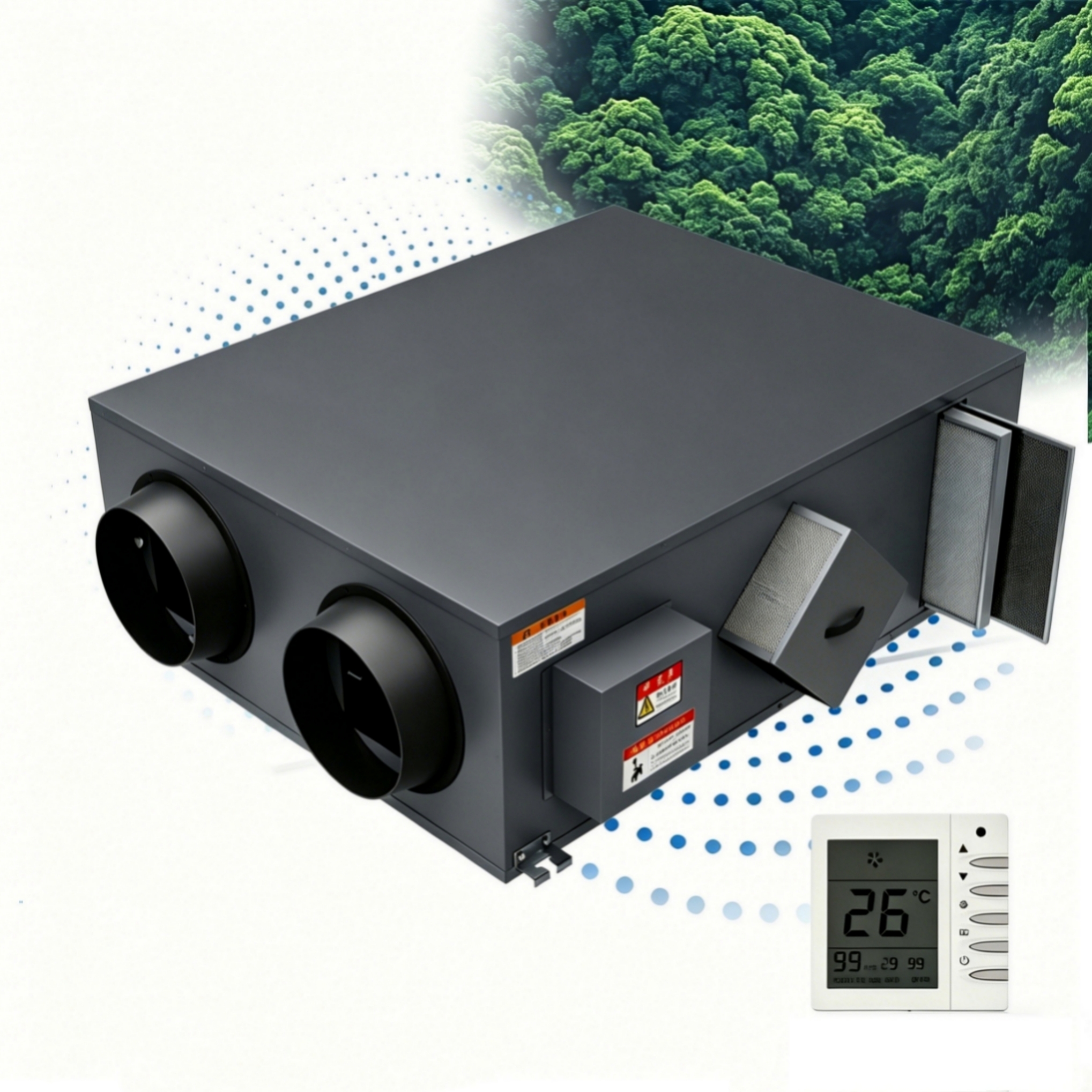
What Is MVHR? How It Works and Its Game-Changing Benefits for Modern Homes
Modern homes are built to be airtight, and for good reason. Tight seals, high-performance insulation, and double-glazed windows drastically cut down unwanted heat loss and slash energy waste. But this energy-efficient design comes with a hidden downside: stale, stagnant indoor air. Without natural airflow, homes easily trap moisture, pollutants, allergens, and unpleasant odours, leaving living spaces stuffy and unhealthy. This is where MVHR (Mechanical Ventilation Heat Recovery) steps in—an innovative whole-home ventilation solution that delivers constant fresh air without sacrificing precious indoor heat. Today, we’ll break down exactly how MVHR works and why it has become a must-have upgrade for new builds and retrofits alike.
MVHR stands for Mechanical Ventilation with Heat Recovery, a fully automated, continuous ventilation system designed for modern airtight buildings. Unlike intermittent solutions like bathroom extractor fans or open windows, MVHR operates 24/7 to balance indoor and outdoor air quality while retaining indoor thermal energy. At its core, it replaces stale, moisture-heavy indoor air with filtered, fresh outdoor air, recovering up to 90–95% of the heat that would otherwise escape through ventilation . It is a quiet, low-maintenance system that solves the age-old dilemma: ventilate for health or keep heat for energy efficiency.
Composed of a central heat exchanger unit, dual air duct networks, quiet blower fans, and high-grade air filters, MVHR is a complete home climate solution rather than a simple ventilation gadget . It is widely used in residential new builds, passive houses, and renovated properties across the UK and Europe, thanks to its dual focus on indoor air quality (IAQ) and energy conservation.
The magic of MVHR lies in its intelligent heat exchange process, which separates incoming and outgoing air streams to avoid cross-contamination while transferring residual heat efficiently. Here’s a straightforward breakdown of its daily operation:
The system continuously pulls stale, humidity-laden air out of high-moisture, high-pollution zones in your home—primarily kitchens, bathrooms, toilets, and utility rooms . These spaces accumulate excess moisture from cooking and showering, along with volatile organic compounds (VOCs) and unpleasant smells. Instead of letting this air linger or venting it wastefully, MVHR funnels it into the central heat exchanger unit.
The extracted warm indoor air passes through one side of the counter-flow or cross-flow heat exchanger, while cold fresh outdoor air flows through a completely separate channel on the other side . Crucially, the two air streams never mix, so indoor pollutants, odours, or moisture cannot contaminate the incoming fresh air. The heat from the outgoing air transfers passively to the colder incoming air, retaining nearly all valuable thermal energy .
Before the newly warmed outdoor air is distributed around your home, it runs through high-efficiency filters that trap pollen, dust, traffic pollution, and airborne allergens . The clean, pre-heated fresh air is then ducted into main living areas—bedrooms, living rooms, and studies—creating a constant supply of healthy, comfortable air.
After releasing its heat in the exchanger, the cooled, stale indoor air is vented safely outside the property. In summer, the system works in reverse: it extracts warm indoor heat and cools incoming outdoor air, helping maintain a naturally cool indoor temperature without relying heavily on air conditioning .
MVHR is more than a ventilation tool—it’s a long-term investment in your home’s health, comfort, and sustainability. Its dual advantages of improved air quality and energy savings make it uniquely valuable for modern households.
Traditional ventilation methods like open windows waste massive amounts of heat, forcing heating systems to work overtime to maintain indoor temperatures. MVHR’s high-efficiency heat recovery technology cuts space heating costs by 20–30% annually for typical UK home retrofits . By reusing residual indoor heat, it reduces reliance on gas boilers, electric heaters, and air conditioning, lowering monthly energy expenses and decreasing overall home carbon emissions. For passive houses and ultra-low-energy buildings, MVHR is essential to meet strict energy performance standards.
Excess indoor moisture is the main cause of condensation, wall dampness, black mould, and peeling paint—common issues in airtight modern homes. MVHR provides consistent, balanced ventilation to remove trapped moisture from wet rooms and living spaces . By regulating indoor humidity levels year-round, it prevents mould and mildew growth, protects your home’s structural integrity, and eliminates musty odours. This also reduces the risk of wood rot and wallpaper damage, saving money on costly home repairs.
Indoor air can be far more polluted than outdoor air, harbouring dust mites, pet dander, pollen, VOCs from furniture and cleaning products, and CO2 buildup from breathing. MVHR’s advanced filtration system captures these harmful particles, delivering purified fresh air throughout your home . Constant air circulation prevents stale air and CO2 accumulation, reducing fatigue, brain fog, and poor sleep quality. For allergy sufferers, asthma patients, and families with young children, this creates a significantly healthier living environment.
One of the most underrated MVHR benefits is balanced indoor temperatures. In winter, pre-heated incoming air eliminates cold drafts that come with opening windows for ventilation. In summer, the system extracts excess indoor heat and brings in cooler outdoor air, creating a natural cooling effect . Unlike spot ventilation solutions that create uneven temperatures and drafts, MVHR ensures every room maintains a stable, comfortable climate all year long.
MVHR units operate extremely quietly, far quieter than traditional bathroom extractor fans or window drafts, so they won’t disrupt daily life or sleep . The system runs automatically 24/7 with no daily input required from homeowners. Routine maintenance is minimal—only simple filter changes every 6–12 months to keep airflow clean and efficient. Most modern MVHR models also feature smart sensors that monitor humidity, CO2, and air quality, adjusting airflow rates automatically to adapt to real-time indoor conditions .
As building regulations grow stricter on energy efficiency and ventilation standards, MVHR has become a standard feature in compliant new-build homes. Installing MVHR adds tangible value to your property, aligning it with modern sustainability requirements and buyer demands for healthy, low-energy homes. It future-proofs your property against evolving energy efficiency rules and rising utility costs.
MVHR systems are ideal for all modern airtight homes, passive houses, newly built properties, and renovated homes with upgraded insulation and double glazing. If you struggle with condensation, mould, stuffy rooms, high heating bills, or poor indoor air quality, MVHR is the perfect solution. Unlike temporary fixes, it delivers permanent, sustainable results for both your home and your health.
Gone are the days of choosing between fresh air and warm homes. MVHR bridges the gap between energy efficiency and indoor comfort, turning the biggest downside of airtight modern housing into its greatest strength. By recovering waste heat, filtering pollutants, regulating humidity, and delivering constant fresh air, it creates healthier, warmer, and more sustainable living spaces while cutting long-term energy costs.
For homeowners looking to upgrade their living environment, reduce their carbon footprint, and future-proof their property, MVHR is not just a ventilation upgrade—it’s a complete home improvement game-changer.
 18705226241