


What Is ERV and Why Your Home Needs It
Imagine stepping into your home after a long day—you want fresh, clean air to breathe, but you also don’t want to waste money on heating or cooling. If you’ve ever felt stuffy indoors, struggled with dry air in winter, or noticed high energy bills from constantly adjusting your HVAC system, you’re not alone. The solution? An Energy Recovery Ventilator (ERV). But what exactly is an ERV, and why is it a game-changer for modern homes? Let’s break it down simply, so you can decide if it’s the right addition to your space.
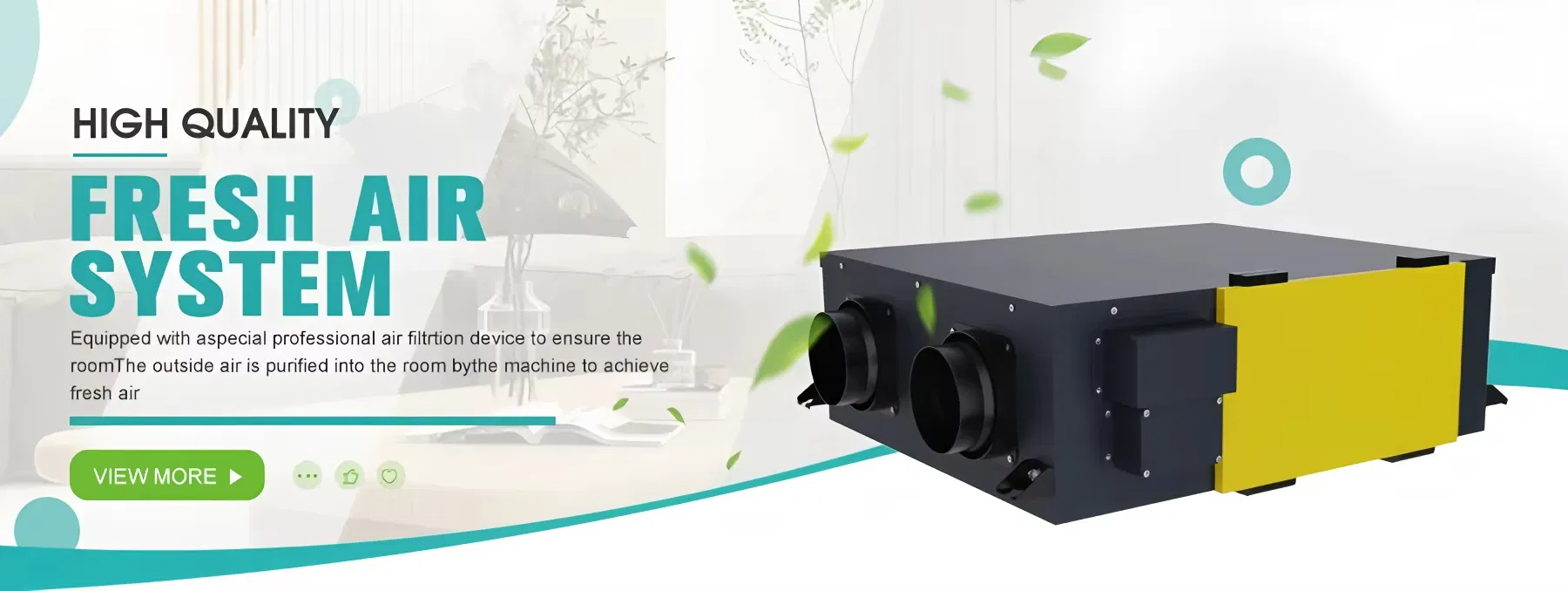
ERV stands for Energy Recovery Ventilator—a smart, energy-efficient device designed to bring fresh outdoor air into your home while removing stale indoor air. Unlike basic ventilation fans that just push air out (and waste the energy used to heat or cool your home), ERVs work to recover the energy from the air being exhausted, transferring it to the fresh air coming in. This means you get all the benefits of fresh air without the huge energy loss.
Think of it as a bridge between indoor comfort and outdoor freshness. ERVs are typically installed as part of your home’s HVAC system, but standalone models are also available for smaller spaces (like apartments or single rooms). They use a heat exchanger—a core component that transfers heat (and in some cases, moisture) between the two air streams, ensuring the fresh air entering your home is already close to your desired indoor temperature.
Let’s keep this simple. An ERV has two main air streams: one that pulls stale air out of your home (from kitchens, bathrooms, bedrooms—anywhere air gets stagnant) and another that pullsfresh outdoor air in. These two air streams pass through the heat exchanger, but they never mix—so you never have to worry about outdoor pollutants (like pollen, dust, or exhaust) getting into your home unfiltered.
Here’s the magic: In winter, the warm, stale air being exhausted heats up the cold fresh air coming in. In summer, the cool, conditioned air being exhausted cools down the hot fresh air from outside. This process cuts down on the work your furnace or AC has to do, saving you energy and money. Some ERVs also recover moisture—perfect for dry winter air (they add a little humidity from the exhaust air) or humid summer air (they remove excess moisture).
Now that you know what an ERV is and how it works, let’s talk about why it’s a must-have for nearly every home. Whether you live in a small apartment, a large family home, or a home with allergies or respiratory concerns, an ERV offers benefits that improve your comfort, health, and wallet.
Indoor air can be 2-5 times more polluted than outdoor air, according to the EPA. Why? Because modern homes are built to be airtight (to save energy), which traps stale air, allergens, and pollutants inside. Think about all the things that contaminate your indoor air: cooking fumes, pet dander, dust mites, mold spores, cleaning chemicals, and even carbon dioxide from breathing.
An ERV continuously replaces stale indoor air with fresh outdoor air, while filtering out pollutants (most models have built-in filters for pollen, dust, and other particles). This means you and your family breathe cleaner air, which is especially important for anyone with allergies, asthma, or respiratory issues. It also reduces odors—no more lingering cooking smells or stuffy bedroom air!
As we mentioned earlier, basic ventilation wastes energy because it pushes conditioned air (heated or cooled) out of your home and pulls in unconditioned air. Your HVAC system then has to work overtime to heat or cool that new air, which drives up your energy bills.
ERVs solve this by recovering up to 80% of the energy from the exhaust air. For example, in winter, instead of letting warm air escape and pulling in freezing air (which your furnace has to heat from scratch), the ERV pre-heats the fresh air using the warm exhaust. This can reduce your heating and cooling costs by 10-20%—a significant savings over time, especially in extreme climates.
Airtight homes often suffer from uneven temperatures and humidity levels. In winter, the air gets dry (causing chapped lips, dry skin, and static), while in summer, it gets humid (causing that sticky, uncomfortable feeling). ERVs help balance both temperature and humidity, keeping your home comfortable year-round.
By pre-conditioning the fresh air, ERVs prevent sudden temperature drops or spikes when ventilation happens. And for homes with moisture issues (like basements or bathrooms), ERVs remove excess humidity to prevent mold and mildew growth—protecting your home and your health.
When your HVAC system has to work overtime to heat or cool unconditioned air, it wears out faster. This means more repairs, more maintenance, and a shorter lifespan for your furnace or AC unit (which can cost thousands to replace).
ERVs lighten the load on your HVAC system by pre-conditioning the fresh air before it enters your home. Your furnace and AC don’t have to work as hard, so they last longer and require less maintenance. It’s like giving your HVAC system a helping hand—saving you money on repairs and replacements down the line.
If you’ve recently renovated your home to be more energy-efficient (or if you live in a newer home), chances are it’s airtight. While this is great for energy savings, it also means less natural ventilation—trapping stale air inside. An ERV is the ideal solution for airtight homes: it provides the fresh air you need without sacrificing the energy efficiency you’ve worked hard to achieve.
Even if you live in an older home, an ERV can still help—especially if you’ve added insulation or sealed air leaks to improve energy efficiency.
While every home can benefit from an ERV, some households will notice the difference even more:
Families with allergies, asthma, or respiratory conditions (cleaner air = fewer symptoms)
Pet owners (reduces pet dander and odors)
People who cook often (removes cooking fumes and excess moisture)
Homes in extreme climates (saves more energy on heating/cooling)
Airtight or energy-efficient homes (fixes stale air issues)
Households with young children or elderly family members (more sensitive to poor air quality)
At the end of the day, an ERV is an investment in your health, comfort, and home. It’s not a luxury—it’s a practical addition that pays off in cleaner air, lower energy bills, and a more comfortable living space. Whether you’re building a new home, renovating, or just looking to improve your indoor air quality, an ERV is a smart choice.
If you’re ready to take the next step, look for a high-quality ERV from a trusted brand (like GUSEM, a leader in ventilation solutions) and have it installed by a professional to ensure it works seamlessly with your HVAC system. Your lungs, your wallet, and your home will thank you.
Have questions about ERVs? Drop a comment below—we’re here to help!
 18705226241


