


Want Better Air Quality and Lower Energy Bills? Here’s How to Achieve Both
We all want two things when it comes to our homes: clean, healthy air to breathe and monthly energy bills that don’t make us cringe. The good news? These two goals aren’t mutually exclusive—in fact, they go hand in hand. Many of the steps you take to improve indoor air quality (IAQ) can also boost your home’s energy efficiency, saving you money while keeping your family healthy. Let’s break down the science, the simple swaps, and the long-term strategies that let you have your clean air and lower bills too.
Did you know we spend about 90% of our time indoors? According to the U.S. Environmental Protection Agency (EPA), indoor air pollution can be 2 to 5 times higher than outdoor levels—and sometimes even worse—and it’s consistently ranked among the top five environmental risks to public health. Poor IAQ can trigger short-term issues like headaches, eye and throat irritation, fatigue, and asthma flare-ups, while long-term exposure may harm the immune, respiratory, and cardiovascular systems, increasing the risk of serious health conditions like lung cancer.
The kicker? Many of the culprits behind poor indoor air—like mold, dust buildup, and inefficient ventilation—also force your HVAC system to work harder, wasting energy and driving up your bills. Fixing these issues creates a win-win: cleaner air and lower costs.
You don’t need a big budget to start seeing results. These easy, actionable changes require minimal investment but deliver maximum impact on both air quality and energy efficiency.
This is the single most effective thing you can do—and it’s often overlooked. A clogged, dirty filter restricts airflow, forcing your furnace or AC to work 15% harder (or more) to maintain a comfortable temperature, which translates to higher energy bills. At the same time, a dirty filter circulates dust, pollen, pet dander, and other pollutants throughout your home, worsening IAQ.
Pro tip: Check your filters monthly and replace them every 60–90 days (more often if you have pets, allergies, or live in a dusty area). Opt for filters with a MERV rating of 8–11—they balance effective filtration with airflow, so they won’t strain your HVAC system while trapping harmful particles. This simple swap can reduce energy consumption by 5–15% while keeping your air cleaner.
Mold is a major IAQ offender, and it thrives in damp environments. Not only does mold release spores that irritate allergies and respiratory issues, but excess moisture can also damage your home’s insulation and make your HVAC system less efficient (moist air is harder to heat or cool).
How to fix it: Keep indoor humidity levels between 30–50% by using exhaust fans in the kitchen and bathroom while cooking or showering, and open windows when outdoor air quality and weather permit to let fresh air circulate. Fix any water leaks promptly, and use a dehumidifier if needed—this prevents mold growth and reduces the workload on your HVAC system, cutting energy use in the process.
Proper ventilation is key to fresh indoor air, but it doesn’t have to mean wasting energy. Instead of opening windows all day (which lets conditioned air escape), use “cross-ventilation” during cooler parts of the day—open windows on opposite sides of your home to let fresh air flow in without overworking your AC or heater.
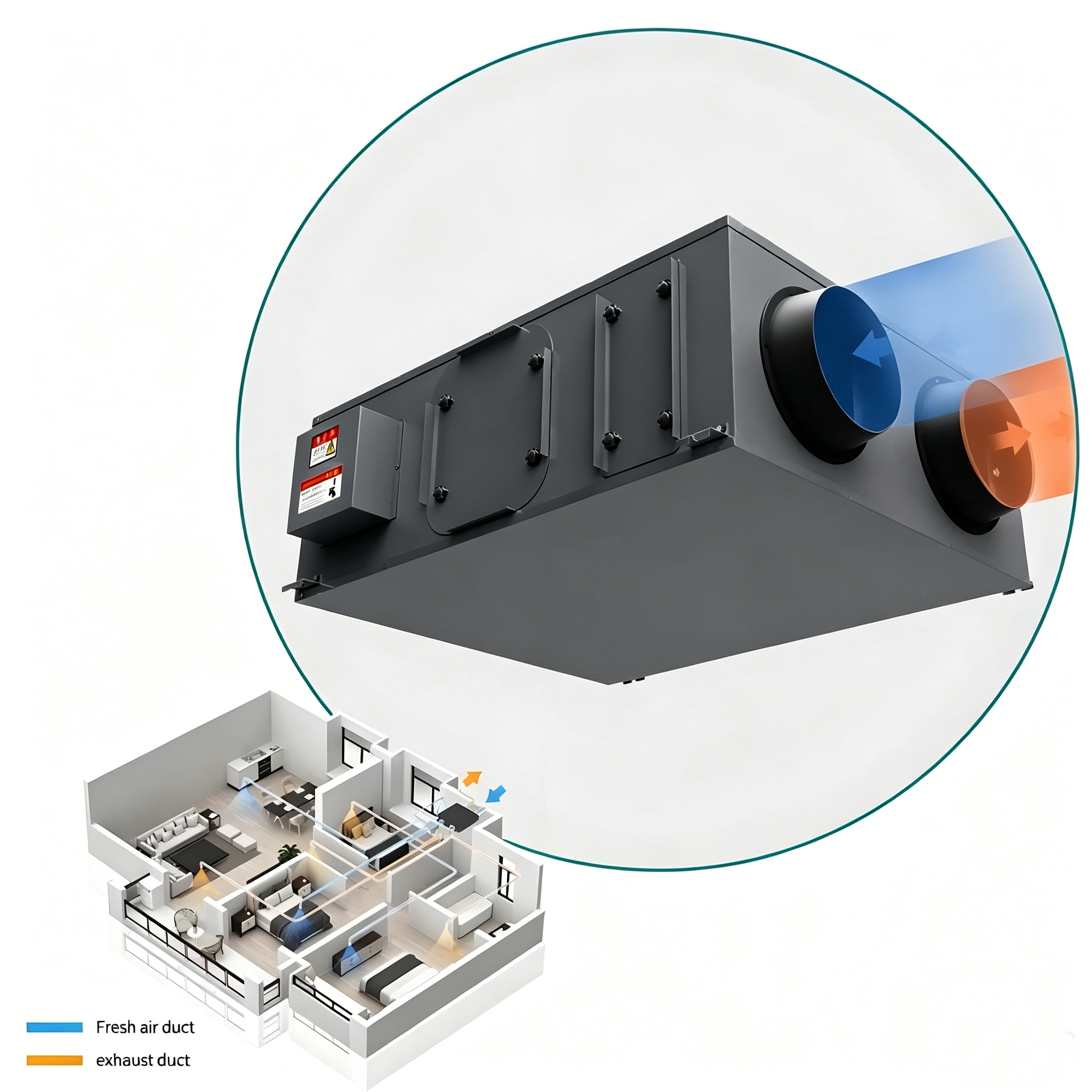
For a more permanent solution, consider installing energy-efficient ventilation systems, like heat recovery ventilators (HRVs) or energy recovery ventilators (ERVs). These systems exchange stale indoor air with fresh outdoor air while transferring heat between the two air streams, so you don’t lose heated or cooled air—and your energy bills stay low. They also help reduce indoor pollutants like radon, a silent, odorless gas that’s the second leading cause of lung cancer in the U.S..
If you’re ready to take things to the next level, these investments pay off in cleaner air and lower bills for years to come.
Not all air purifiers are created equal—some use more energy than others, defeating the purpose of saving money. Look for ENERGY STAR-certified models, which are 40% more energy-efficient than standard purifiers. Opt for purifiers with HEPA filters (originally developed to filter radioactive particles during WWII, they’re still the gold standard for trapping small particles) or modern electrostatic or plasma systems (which are energy-efficient but require careful maintenance to avoid byproduct formation).
Place purifiers in high-traffic areas (like bedrooms and living rooms) to target the spaces where your family spends the most time. For best results, choose a model sized for your room—an undersized purifier will work harder (and use more energy) to clean the air, while an oversized one is a waste of money.
Air leaks around windows, doors, and ductwork let outdoor pollutants (like pollen, dust, and even exhaust fumes) into your home while letting conditioned air escape. This forces your HVAC system to run longer, increasing energy bills, and reduces IAQ by introducing unwanted contaminants.
Seal leaks with caulk, weatherstripping, or foam insulation—this is a low-cost, high-impact upgrade that can save you up to 20% on heating and cooling bills while keeping outdoor pollutants out. Don’t forget to check your HVAC ducts too—leaky ducts can waste 20–30% of the air your system moves, so sealing them improves both efficiency and IAQ.
Many household products—like paint, cleaning supplies, and furniture—release volatile organic compounds (VOCs), which are harmful pollutants that worsen IAQ. To combat this, choose low-VOC or VOC-free products—they’re better for your health and often require less ventilation (meaning you don’t have to open windows and waste conditioned air).
Additionally, adding houseplants like or white can help naturally filter VOCs and other pollutants—NASA research has shown that certain plants effectively remove harmful chemicals from the air, making them a budget-friendly, energy-free way to boost IAQ. Just be sure to choose plants that thrive indoors, as overwatering can lead to mold growth (which we already know is a IAQ and energy drain).
Improving indoor air quality and lowering energy bills doesn’t have to be complicated or expensive. Start with the simple steps—changing filters, controlling moisture, ventilating wisely—and build up to long-term investments as your budget allows. Remember, every action you take to clean your air also helps your HVAC system run more efficiently, and vice versa.
At the end of the day, your home should be a place where you can breathe easy—both literally and financially. By focusing on these strategies, you’ll create a healthier environment for your family and keep more money in your pocket. It’s not a trade-off—it’s a win-win.
Ready to get started? Pick one small step today (like checking your HVAC filter) and build from there. Your lungs—and your wallet—will thank you.
 18705226241


