


Ventilation Ceiling System for Home: The Unsung Hero That Takes Away the Heat
There’s nothing more frustrating than walking into your home on a sweltering summer day, only to be hit by a wave of stagnant, hot air that lingers no matter how high you crank the AC. You might blame the weather, your old HVAC unit, or even poor insulation—but what if the solution is hiding right above your head? A home ventilation ceiling system isn’t just a “nice-to-have” addition to your living space; it’s a game-changer when it comes to removing heat, improving comfort, and even cutting down on energy costs. Let’s dive into why this underrated system deserves a spot in every heat-prone home.
First, let’s get back to basics: why does heat get trapped in our homes in the first place? As we all learned in science class, hot air rises—and when it has nowhere to go, it accumulates near the ceiling, creating a “heat layer” that makes your entire home feel warmer than it actually is. Traditional fans circulate this hot air around the room, but they don’t remove it; AC units work hard to cool the air, but they’re often overworked by the trapped heat above. This is where a ventilation ceiling system steps in: it actively pulls that hot, stale air out of your home, replacing it with fresh, cooler air from outside—effectively acting as your home’s “lungs” to breathe out heat and breathe in comfort.
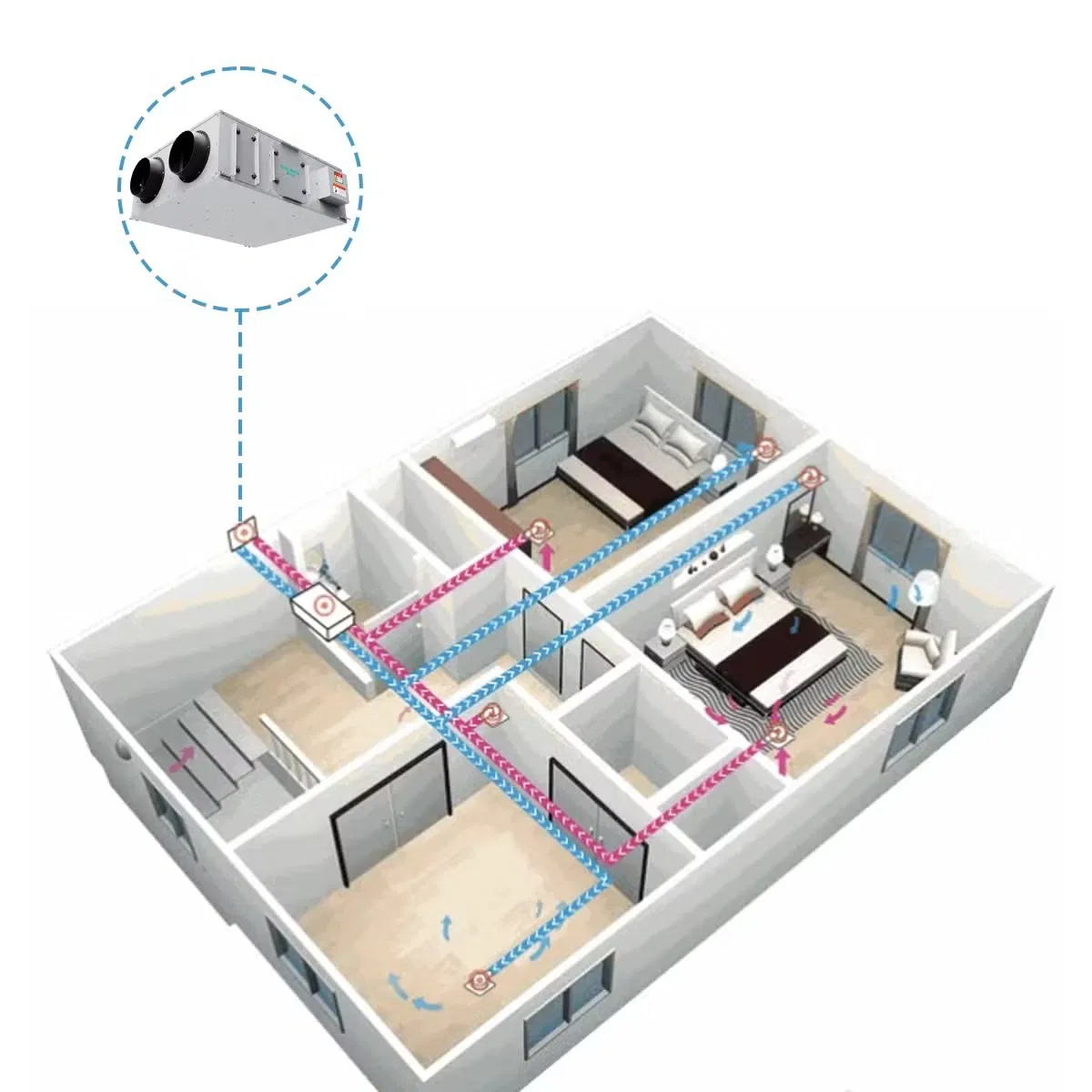
Unlike standalone fans or window units, a ventilation ceiling system is designed to work seamlessly with your home’s structure, tucking neatly into the ceiling to maintain a clean, uncluttered look. It operates on a simple yet powerful principle: using quiet, efficient fans and ductwork, it extracts hot air from the highest points of your rooms (where heat naturally gathers) and expels it outdoors. At the same time, it draws in fresh outdoor air—filtering out dust, allergens, and pollutants—and distributes it evenly throughout your home. This dual action doesn’t just remove heat; it improves indoor air quality, which is a bonus for anyone with allergies, asthma, or simply a desire to breathe cleaner air indoors (especially since indoor air pollution can be 2 to 5 times higher than outdoors).
Let’s break down the key benefits of installing a ventilation ceiling system for heat removal—because it’s about more than just staying cool.
The biggest advantage? It takes the pressure off your air conditioner. When hot air is trapped near the ceiling, your AC has to work overtime to cool the entire room, leading to higher energy bills and more wear and tear on the unit. A ventilation ceiling system removes that hot air directly, so your AC only has to cool the air at eye level—where you actually feel it. Studies show that an efficiently ventilated ceiling can reduce energy expenditure by 10–15%, and modern systems can cut energy bills by even more when paired with an existing HVAC setup. For homes in hot, humid climates, this efficiency boost is a game-changer—no more cranking the AC to 68°F just to feel comfortable.
Have you ever noticed that some rooms in your home are hotter than others? Maybe your upstairs bedroom feels like a sauna, while the basement is cool and drafty. This uneven temperature distribution is often caused by poor air circulation and trapped heat. A ventilation ceiling system solves this by creating consistent airflow across all rooms. By extracting hot air from every ceiling (not just one room), it ensures that heat doesn’t accumulate in any single area, keeping your entire home at a comfortable, even temperature. No more moving from room to room and feeling like you’re switching between seasons—just steady, refreshing comfort.
Heat isn’t the only thing trapped in your home’s upper levels—stale air, moisture, cooking odors, and even harmful pollutants (like VOCs from cleaning products or furniture) can linger there too. A ventilation ceiling system doesn’t just remove heat; it replaces that stale air with fresh, filtered outdoor air. This helps reduce humidity (which can lead to mold and mildew growth) and eliminates odors, creating a healthier living environment for you and your family. In fact, proper ceiling ventilation is vital for moisture control—preventing condensation that can cause mold, wood rot, and insulation damage over time. It’s a two-for-one: stay cool and breathe better.
One of the biggest complaints about traditional ventilation systems (like window fans or portable units) is that they’re unsightly and take up valuable space. A ventilation ceiling system is installed flush with your ceiling, so it’s nearly invisible—no bulky units, no unsightly cords, no disruption to your home’s decor. Modern systems even feature low-profile grilles that match any style, from modern minimalism to classic charm, so you don’t have to sacrifice aesthetics for function. For homeowners who value a clean, cohesive look, this is a major win—especially compared to wall-mounted or floor-standing units that can clutter your space.
You might think a ceiling-mounted system would be hard to maintain, but the opposite is true. Most ventilation ceiling systems are designed with easy access panels for filter changes and cleaning, and they operate quietly (often at 30 decibels or less—quieter than a conversation). With proper maintenance (changing filters every 3–6 months), these systems can last 10–15 years, making them a long-term investment in your home’s comfort and value. Unlike portable fans that break down after a few seasons, a quality ventilation ceiling system is built to withstand years of use—and keep your home cool for decades.
Not all ventilation ceiling systems are created equal—so it’s important to choose one that fits your home’s size, layout, and climate. Here are a few key factors to consider:
Size of Your Home: Larger homes or multi-story homes will need a system with higher airflow capacity (measured in cubic feet per minute, or CFM) to ensure every room gets adequate ventilation. A professional load calculation—considering your home’s size, ceiling height, and insulation—can help determine the right CFM for your space.
Climate: If you live in a hot, humid climate (like the southern U.S.), look for a system with built-in dehumidification to remove excess moisture along with heat. For dry climates, a simple exhaust system may be sufficient, but adding a heat recovery ventilator (HRV) can help retain energy while ventilating.
Energy Efficiency: Look for systems with ENERGY STAR certification or high SEER (Seasonal Energy Efficiency Ratio) ratings. These systems use less energy, which translates to lower monthly bills. Modern models can achieve up to 80% reduction in power consumption compared to older units.
Noise Level: If you’re installing the system in bedrooms or living areas, opt for a quiet model (under 40 decibels) to avoid disrupting your daily life. Many modern systems feature acoustically insulated housings to minimize sound.
For most homeowners, a balanced ventilation system (which both exhausts hot air and supplies fresh air) is the best choice, as it maintains consistent air pressure in your home and prevents backdrafts from fireplaces or appliances. If you’re renovating or building a new home, installing the system during construction is ideal—but many systems can also be retrofitted into existing homes with minimal disruption.
When it comes to beating the heat at home, we often overlook the simplest solution: letting our homes “breathe.” A ventilation ceiling system is more than just a cooling tool—it’s an investment in your comfort, your health, and your wallet. By removing trapped heat, improving air quality, and reducing HVAC strain, it transforms your home into a cool, refreshing sanctuary—even on the hottest days.
If you’re tired of sweltering indoors, dealing with uneven temperatures, or paying sky-high energy bills, it’s time to consider a ventilation ceiling system. It’s the unsung hero your home needs—working quietly above your head to take away the heat, so you can focus on enjoying the comfort of your space.
Ready to upgrade your home’s cooling game? Consult a local HVAC professional to find the perfect ventilation ceiling system for your needs—and say goodbye to trapped heat for good.
 18705226241


