


Keeping your home comfortable is about far more than turning up the heat or flipping on an air conditioner. Today’s modern home HVAC systems combine heating, cooling, ventilation, air filtration, and smart controls into one integrated ecosystem designed for consistent comfort, better indoor air quality, and lower long-term energy costs. Whether you are renovating an old house, building a new property, or planning an HVAC upgrade, knowing how these systems work will help you make smarter decisions for your living space.
HVAC means Heating, Ventilation, and Air Conditioning. Older homes often treated these functions separately: a furnace for winter heat, a standalone AC unit for summer cooling, and little planned ventilation. Modern systems tie all three together. Heating keeps indoor temperatures stable during cold months; air conditioning removes heat and humidity when it is hot. Ventilation, one of the most overlooked pieces, brings fresh outdoor air inside while pushing stale, polluted air out. This is where heat recovery ventilators (HRV) and energy recovery ventilators (ERV) shine, exchanging heat between incoming and outgoing air to cut energy waste.
This remains the most popular option for many single-family homes. A central unit connects to a network of ducts hidden inside walls, ceilings, or crawl spaces, delivering conditioned air to every room. Many newer central systems pair high-efficiency gas furnaces or air-source heat pumps with variable-speed blowers. Unlike older single-speed models, variable-speed fans run at lower power most of the time, creating gentler temperature shifts, quieter operation, and improved humidity control.
Ductless mini-splits are ideal for additions, older homes without ductwork, home offices, or bedrooms that always feel too hot or too cold. An outdoor compressor links to small indoor air handlers mounted on walls or ceilings. Each indoor unit has its own thermostat, so you can set different temperatures for separate zones. For homeowners who only want to cool or heat a few rooms instead of the whole house, ductless systems often deliver better energy efficiency than running a full central system.
Heat pumps have grown rapidly in popularity as homeowners look for greener alternatives. Instead of burning fuel to create heat, they move heat between indoors and outdoors. In summer, they pull heat out of your home to cool it down. In winter, they capture residual heat from outside air, ground, or groundwater and transfer it indoors. Many modern heat pumps work reliably even in cold climates. When paired with ERV or HRV ventilation, they form a complete low-carbon comfort system that supports excellent IAQ.
A hybrid system combines a heat pump with a backup gas furnace. The system automatically selects the most cost-effective option: it uses the heat pump in mild weather and switches to the furnace when temperatures drop extremely low. Hybrid setups balance energy savings and reliable warmth, making them a flexible middle ground for regions with dramatic seasonal temperature swings.
Beyond the main heating and cooling equipment, modern packages include several supporting parts that shape daily performance. Smart thermostats learn your schedule and adjust temperatures automatically when you leave or return home, slashing unnecessary energy consumption. Advanced air filters, including MERV-rated and HEPA-style options, trap dust, pollen, pet dander, mold spores, and airborne particles.
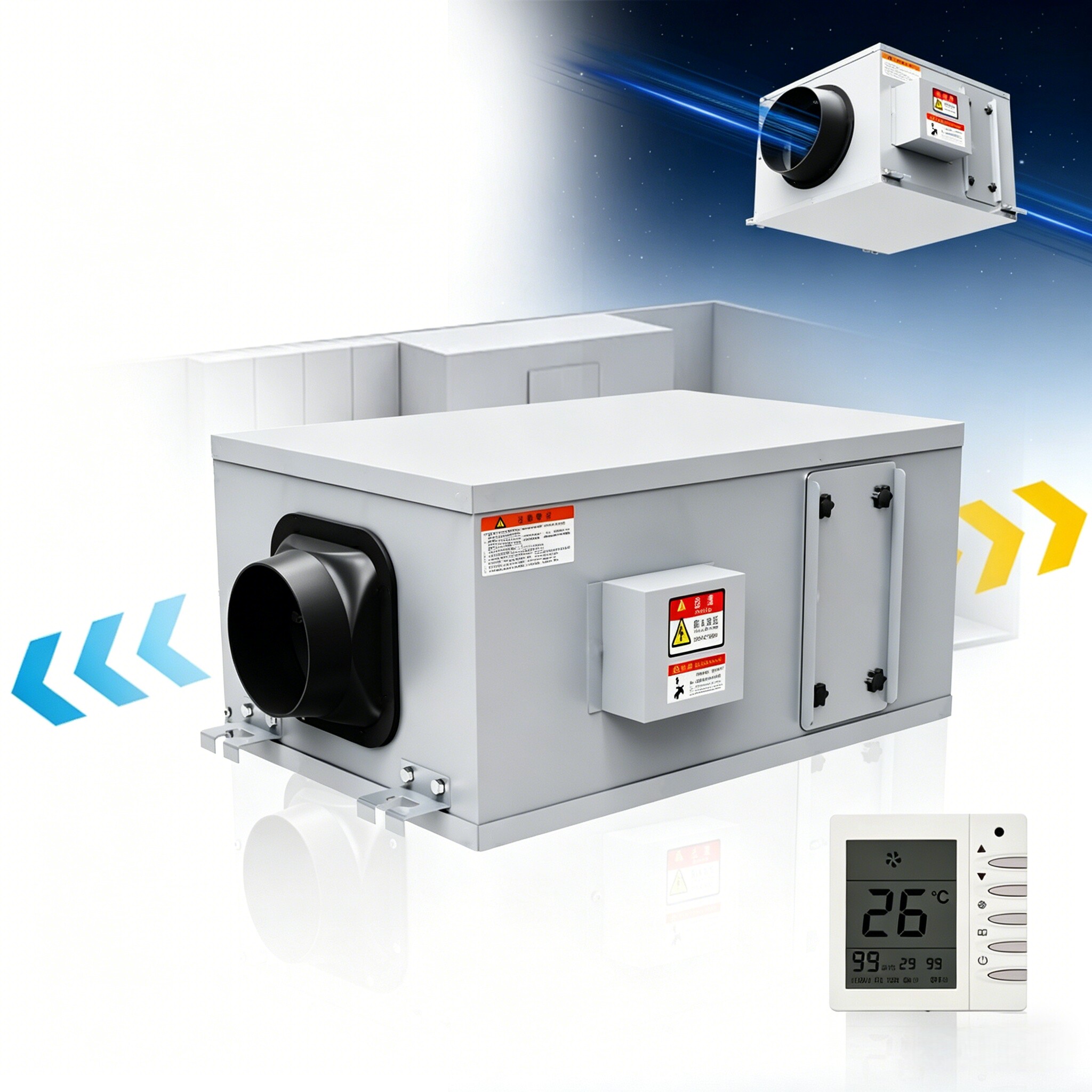
Ventilation units such as HRVs and ERVs prevent stale, moisture-heavy indoor air from building up. Too much indoor humidity encourages mold growth, while overly dry air irritates skin and respiratory tracts. These ventilators recover thermal energy during air exchange so you do not waste the heat or cooling already inside your home. Zoning dampers, quiet variable-speed fans, and Modbus-enabled controls further let homeowners fine-tune airflow and comfort room by room.
Modern homes are built tighter than ever to reduce heat loss. While this boosts energy efficiency, it also traps contaminants indoors. Cooking fumes, cleaning chemical vapors, excess moisture, and carbon dioxide build up without proper air exchange. A complete HVAC solution does not only control temperature; it actively manages IAQ. Regular ventilation, filtration, and humidity regulation work together to reduce allergy triggers and create healthier air for everyone living in the home.
Even the highest-quality HVAC system will lose efficiency without routine care. Simple regular steps include replacing air filters every one to three months, clearing debris around outdoor units, cleaning ventilation ducts periodically, and scheduling professional inspections once or twice each year. If your home uses an ERV or HRV, its filters and core also need regular cleaning. Warning signs that your system needs attention include strange noises, uneven room temperatures, sudden spikes in utility bills, or persistent stuffy air inside.
There is no universal “best” HVAC system. Your choice depends on your local climate, home layout, existing ductwork, budget, and sustainability goals. If you live in a moderate climate, a heat pump paired with an ERV may be the perfect fit. If you have an older home without ducts, mini-splits can offer targeted comfort. Large family homes often benefit from zoned central systems with smart controls.
Always work with a qualified HVAC installer to calculate your home’s heating and cooling load. An oversized unit cycles on and off too quickly, raising wear and failing to control humidity properly. An undersized unit runs nonstop and struggles to keep up during peak weather.
The next generation of home HVAC moves toward full connectivity and sustainability. More systems integrate with smart home ecosystems, allowing remote monitoring and adjustment from phones. Energy recovery ventilation will continue to become a standard feature rather than an upgrade. As energy codes tighten and homeowners prioritize low operating costs, high-efficiency, low-noise, IAQ-focused HVAC will become the expectation rather than a luxury.
Modern home HVAC systems are far more sophisticated than the basic heating and cooling equipment of the past. They balance comfort, energy use, ventilation, and indoor air quality into one integrated solution. Whether you are repairing, replacing, or building from scratch, understanding how these systems function helps you pick equipment that matches your lifestyle, cuts utility costs, and keeps your home healthy and comfortable all year round. Investing in a well-designed, properly maintained HVAC system is one of the most valuable upgrades you can make to your home.
 18705226241


