


The Ultimate MVHR Buyer’s Guide: Choose the Right System for Your Home
Modern homes are built to be airtight, energy-efficient, and thermally secure — but this advanced building design comes with a hidden downside: stale indoor air, excess moisture, poor ventilation, and declining indoor air quality. Without proper airflow, tightly sealed properties suffer from condensation, mould growth, stuffy rooms, and even higher heating costs. This is where an MVHR (Mechanical Ventilation with Heat Recovery) system transforms living spaces. It delivers consistent fresh air circulation while recovering up to 90% of heat from outgoing stale air.
If you’re renovating, building a new home, or upgrading your ventilation setup, this ultimate MVHR buyer’s guide will walk you through everything you need to know. From core functionality and key benefits to critical buying factors, installation considerations, and long-term value, you’ll gain all the insights to make a confident, cost-effective decision.
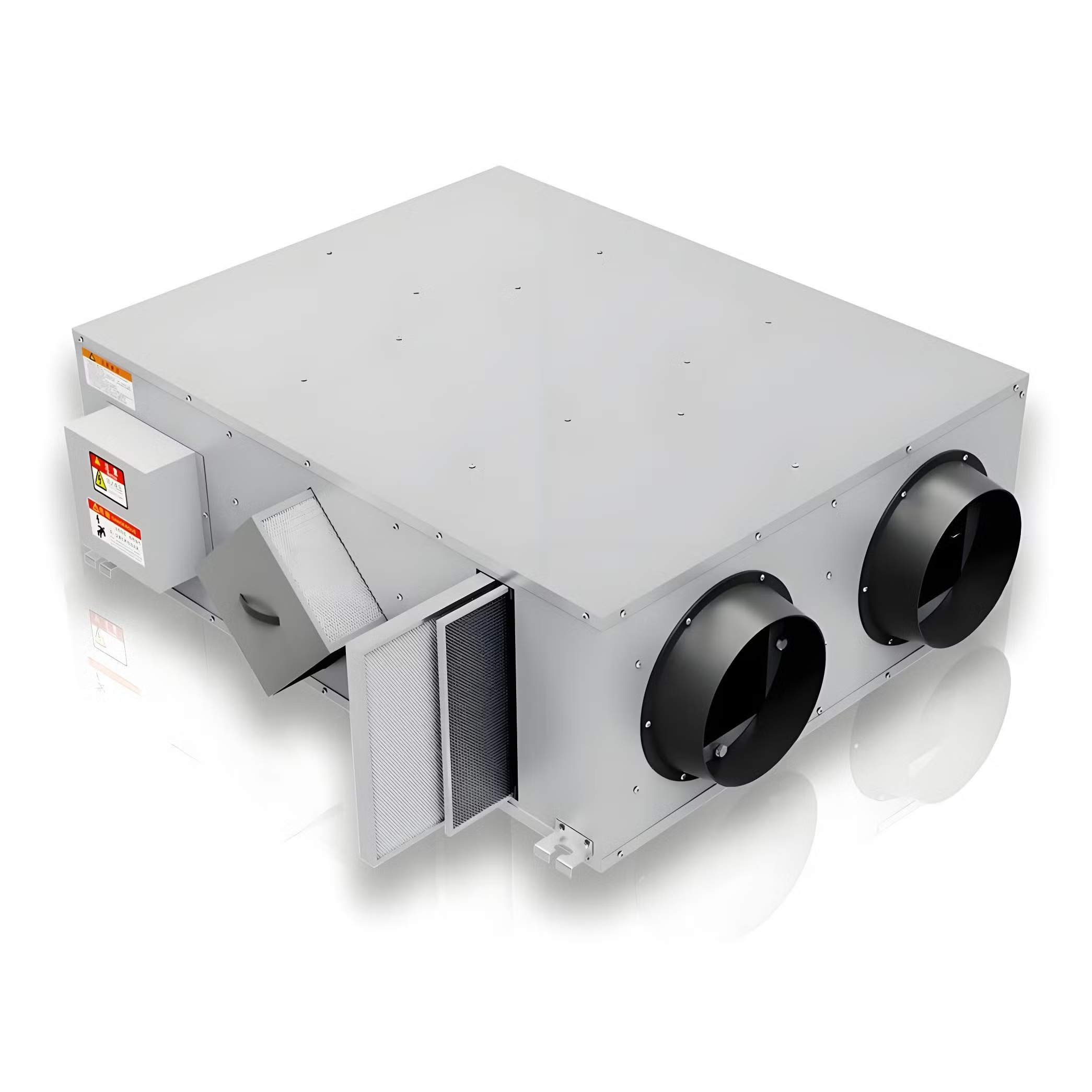
MVHR stands for Mechanical Ventilation with Heat Recovery. It is a whole-house mechanical ventilation system designed to replace stale, polluted indoor air with filtered fresh outdoor air continuously. Unlike basic extractor fans or trickle vents that waste indoor heat, MVHR units feature a high-efficiency heat exchanger core. This core captures heat from exhausted indoor air and transfers it to the incoming cold fresh air, minimizing heat loss and eliminating the need to reheat fresh air from scratch.
In summer, most modern MVHR systems also offer a bypass mode, which lets fresh air circulate without heat recovery. This keeps your home cool and airy during warm weather, making the system functional year-round. Ideal for airtight new builds, passive houses, and deep retrofits, MVHR has become a staple of modern sustainable home design across Europe, the UK, and North America.
Before diving into buying criteria, it’s essential to understand why homeowners, architects, and energy experts consistently recommend MVHR over traditional ventilation solutions.
MVHR systems draw in outdoor air through high-grade filters, removing pollen, dust, airborne pollutants, allergens, and even fine particulate matter. Stale indoor air filled with CO₂, cooking fumes, pet odours, and moisture is continuously extracted. This constant air exchange eliminates the “stuffy” feeling common in modern sealed homes and creates a healthier living environment for families, allergy sufferers, and pets.
Traditional ventilation methods let valuable heat escape outdoors, forcing your heating system to work harder to maintain indoor temperatures. MVHR’s heat recovery technology retains the majority of indoor heat, reducing heating demand throughout winter. Over time, the energy savings significantly offset installation and unit costs, making MVHR a long-term sustainable investment.
Excess moisture from cooking, showering, and daily living gets trapped in airtight homes, leading to condensation on windows, walls, and ceilings — and eventually mould and damp damage. MVHR ventilates moisture-laden air 24/7, maintaining balanced indoor humidity levels and protecting your home’s structure and air quality from moisture-related damage.
With automatic summer bypass functionality, MVHR systems avoid overheating your home in warm seasons. They deliver cool, fresh outdoor air without heat retention, ensuring consistent comfort in both winter and summer. Unlike intermittent fans, MVHR operates quietly and continuously for balanced airflow all day long.
Not all MVHR units are created equal. To match your home’s size, layout, and lifestyle needs, evaluate these key factors before making a purchase.
MVHR performance relies heavily on correct sizing. An undersized unit will fail to ventilate your home adequately, while an oversized unit wastes energy and creates unnecessary noise. Sizing is determined by your home’s floor area, number of rooms, occupancy rate, and building airtightness. Most standard residential units offer airflow rates between 150m³/h and 400m³/h. Always match the unit capacity to your property’s specific ventilation requirements.
Heat recovery efficiency is the most important technical specification for MVHR buyers. Premium residential units boast efficiency ratings of 85–92%. Higher ratings mean less heat loss, lower energy bills, and better temperature stability. Avoid low-cost, low-efficiency models, as their long-term energy waste will negate any upfront savings.
Filter quality directly impacts indoor air quality. Most basic MVHR units come with G3 or G4 filters for general dust removal. For homes in urban areas, near busy roads, or for residents with allergies or asthma, upgrade to H11 or H13 HEPA filters. These high-grade filters trap fine particles, pollen, exhaust fumes, and airborne allergens, delivering hospital-grade clean air indoors.
Since MVHR systems run 24 hours a day, low noise output is non-negotiable. Look for units with noise ratings below 35dB at standard operating speed. Cheaper models often produce constant hums or airflow noise that can disrupt sleep and daily comfort. Always check independent noise test data instead of relying solely on manufacturer claims.
Modern MVHR units feature smart connectivity options, including app control, humidity sensors, CO₂ sensors, and automatic speed adjustment. Smart systems adapt ventilation rates based on indoor air quality conditions — increasing airflow during cooking or high occupancy and reducing speed during quiet nighttime hours. For fully automated home systems, look for units with Modbus or Wi-Fi compatibility.
A high-quality MVHR unit will underperform with poor ducting. Smooth, insulated, leak-proof ducting ensures maximum airflow efficiency and prevents heat loss and condensation within the ventilation system. Rigid or semi-rigid ducting is preferred over flexible ducting, which accumulates dust and restricts airflow over time.
MVHR pricing varies based on unit quality, home size, ducting requirements, and installation complexity. Below is a standard residential cost overview:
Basic MVHR units: Budget models with standard filtration and 80–85% heat efficiency
Mid-range MVHR units: Balanced performance, H11 filtration, 85–90% efficiency, quiet operation
Premium MVHR units: H13 HEPA filtration, 90%+ efficiency, smart controls, ultra-quiet design
Installation costs: Includes ducting layout, unit mounting, wiring, and system commissioning
While MVHR requires an upfront investment, the annual savings on heating and reduced maintenance costs for mould and damp damage deliver excellent long-term ROI.
To keep your MVHR system efficient and durable, simple regular maintenance is essential:
Replace air filters every 6–12 months to maintain airflow and air quality
Clean the heat exchanger core annually to prevent dust buildup
Check and clear external vents of debris, leaves, and blockages seasonally
Inspect ducting for leaks or damage every 2–3 years
Book a professional system service every 2 years for optimal performance
Well-maintained MVHR systems can last 15–20 years, making them a durable home improvement asset.
For anyone building a new airtight home, renovating a modern property, or struggling with poor air quality, condensation, or high heating bills, an MVHR system is absolutely worth the investment. It is the only ventilation solution that combines continuous fresh air supply, energy savings, moisture control, and long-term home protection.
By choosing the right size, high-efficiency unit, premium filtration, and professional installation, you can create a healthier, more comfortable, and more sustainable home for years to come.
Yes. While MVHR is most effective in airtight new builds, it can still vastly improve ventilation and air quality in older renovated homes with proper installation and ducting design.
MVHR significantly reduces excess moisture and prevents new mould growth. For existing mould issues, combine MVHR with professional mould removal for full resolution.
Modern quality MVHR units operate at near-silent levels, making them suitable for bedrooms and living spaces with no disruptive noise.
 18705226241


