


Modern building design has come a long way in recent decades, prioritizing energy efficiency, sleek aesthetics, sustainable materials, and space-saving layouts. Architects, engineers, and homeowners alike pour time and resources into insulation, solar panels, smart home systems, and durable building envelopes to create spaces that are both eco-friendly and functional. Yet far too often, proper ventilation is treated as an afterthought—a minor detail rather than a foundational pillar of thoughtful, forward-thinking design.
The truth is that ventilation is irreplaceable in contemporary construction. Tightly sealed, energy-efficient buildings are excellent for cutting utility costs, but they also trap stale air, moisture, and harmful contaminants indoors without a planned ventilation system. In modern building design, ventilation is no longer just a way to circulate air; it is a critical component that shapes indoor air quality, occupant health, structural longevity, and overall building performance. Let’s explore why intentional, well-designed ventilation should be at the forefront of every modern building project.
One of the top goals of modern building design is reducing energy waste, and that means creating airtight structures with advanced insulation, sealed windows, and weather-stripped exteriors. While this drastically reduces heating and cooling losses, it also eliminates natural airflow and creates stagnant indoor environments. Without a dedicated ventilation strategy, these airtight spaces quickly become breeding grounds for poor air quality and moisture buildup.
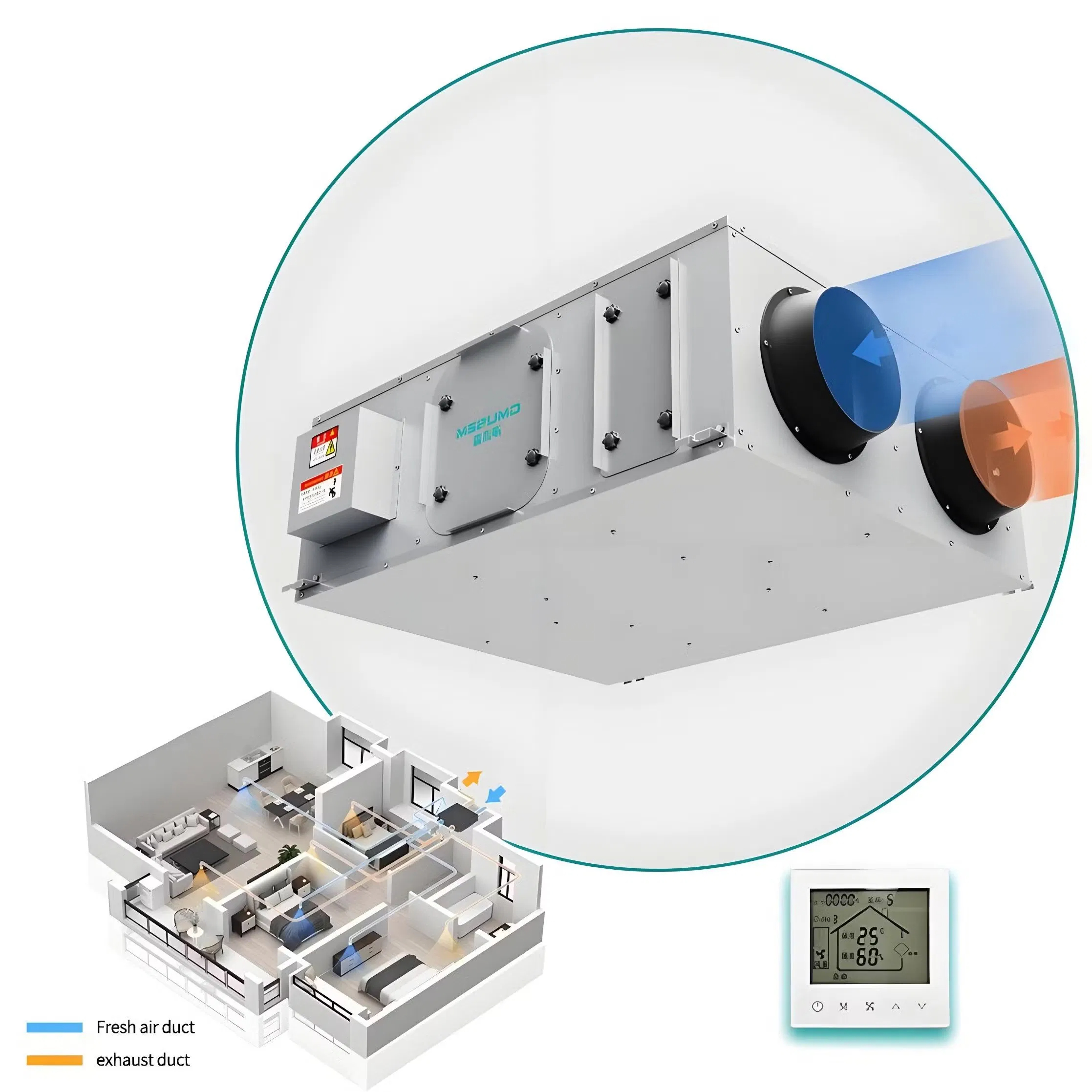
Proper ventilation systems—including balanced heat recovery (HRV) and energy recovery (ERV) units—solve this problem perfectly. They allow fresh, filtered outdoor air to enter the building while expelling stale indoor air, all without sacrificing the energy efficiency of the sealed building envelope. This balance is the cornerstone of sustainable modern design, letting spaces remain eco-friendly and comfortable without compromising occupant health.
Today’s building designs prioritize wellness more than ever before, and indoor air quality is directly tied to human health. Modern homes, offices, and commercial spaces are filled with materials that release volatile organic compounds (VOCs), formaldehyde, dust, and other airborne pollutants: furniture, paint, flooring, insulation, cleaning products, and even decor items.
In poorly ventilated spaces, these contaminants accumulate to dangerous levels, leading to short-term issues like headaches, fatigue, allergies, and irritated respiratory systems, as well as long-term health complications. Strategic ventilation design dilutes and removes these pollutants continuously, maintaining clean, breathable air for everyone inside the building.
For residential spaces, this means healthier living environments for families; for commercial and office buildings, it translates to better focus, higher productivity, and fewer sick days. In modern design-centric spaces, wellness-focused ventilation isn’t a luxury—it’s a necessity.
Modern building materials are designed for durability, but they are not immune to moisture damage. Daily activities like cooking, showering, washing hands, and even breathing release moisture vapor into the air. In tightly sealed modern buildings, this moisture has nowhere to escape, leading to condensation on walls, windows, and hidden structural components.
Over time, excess moisture causes mold growth, rotting wood, corroded metal, peeling paint, and weakened insulation—all of which lead to expensive repairs and shorten the lifespan of the building. Thoughtful ventilation design actively removes humid air and balances indoor humidity levels, eliminating these risks entirely. By integrating ventilation into the initial building blueprint, architects can protect the structural integrity of the space and preserve its value for decades.
A beautiful, modern space loses its appeal if it feels stuffy, damp, or uncomfortably stagnant. Proper ventilation enhances overall comfort by regulating temperature evenly, eliminating unpleasant odors from cooking, pets, or daily use, and preventing the muggy, stale feeling that plagues poorly ventilated rooms.
Modern ventilation systems also operate quietly and unobtrusively, blending seamlessly into sleek building designs without disrupting visual aesthetics. Unlike drafty natural ventilation from cracked windows, mechanical ventilation provides consistent, controlled airflow that maintains a pleasant indoor atmosphere year-round, regardless of outdoor weather conditions. This level of comfort is what turns a well-designed building into a truly enjoyable space to live or work in.
Sustainability is the backbone of modern building design, and proper ventilation is a key element of green building certifications like LEED and BREEAM. Energy-efficient ventilation systems reduce reliance on constant heating and cooling, lower overall carbon emissions, and promote a healthier indoor environment without harming the outdoor ecosystem.
Designers who prioritize ventilation from the start can also customize systems to fit the unique needs of the building and its location, choosing natural ventilation strategies for mild climates or balanced mechanical systems for extreme weather. This flexibility makes ventilation a versatile tool for creating eco-conscious, future-proof buildings that meet modern sustainability goals.
In the world of modern building design, every choice matters—and ventilation is not an exception. It is a critical, non-negotiable element that ties together energy efficiency, occupant wellness, structural durability, and overall comfort.
Skipping proper ventilation planning undermines even the most stunning architectural designs, creating spaces that look impressive but fail to support health and longevity. For truly functional, sustainable, and occupant-focused modern buildings, ventilation must be integrated early in the design process, not added as a last-minute fix.
At its core, great building design is about creating spaces that work for the people who use them—and that always starts with clean, fresh, properly circulated air.
 18705226241


