


The Complete Guide to Mechanical Ventilation with Heat Recovery (MVHR)
Modern homes are designed to be airtight, well-insulated, and energy-efficient — and while these features slash heating and cooling bills, they create a hidden problem: stale, polluted indoor air. Tightly sealed buildings trap moisture, dust, allergens, and volatile organic compounds (VOCs) indoors, leading to stuffy rooms, mold growth, poor air quality, and even health discomfort. This is where Mechanical Ventilation with Heat Recovery (MVHR) steps in as a game-changing solution. More than just a ventilation system, MVHR balances fresh air circulation and energy conservation, making it a staple for modern sustainable homes and eco-friendly renovations. In this complete guide, we will break down everything you need to know about MVHR: how it works, its key benefits, installation, maintenance, and whether it’s the right choice for your property.
Mechanical Ventilation with Heat Recovery (MVHR) is a balanced whole-house mechanical ventilation system designed to continuously replace stale indoor air with fresh outdoor air while recovering waste heat from exhaust air. Unlike basic window ventilation or passive vents, MVHR operates mechanically with a structured duct system, ensuring consistent, controlled air exchange without compromising a building’s thermal efficiency.
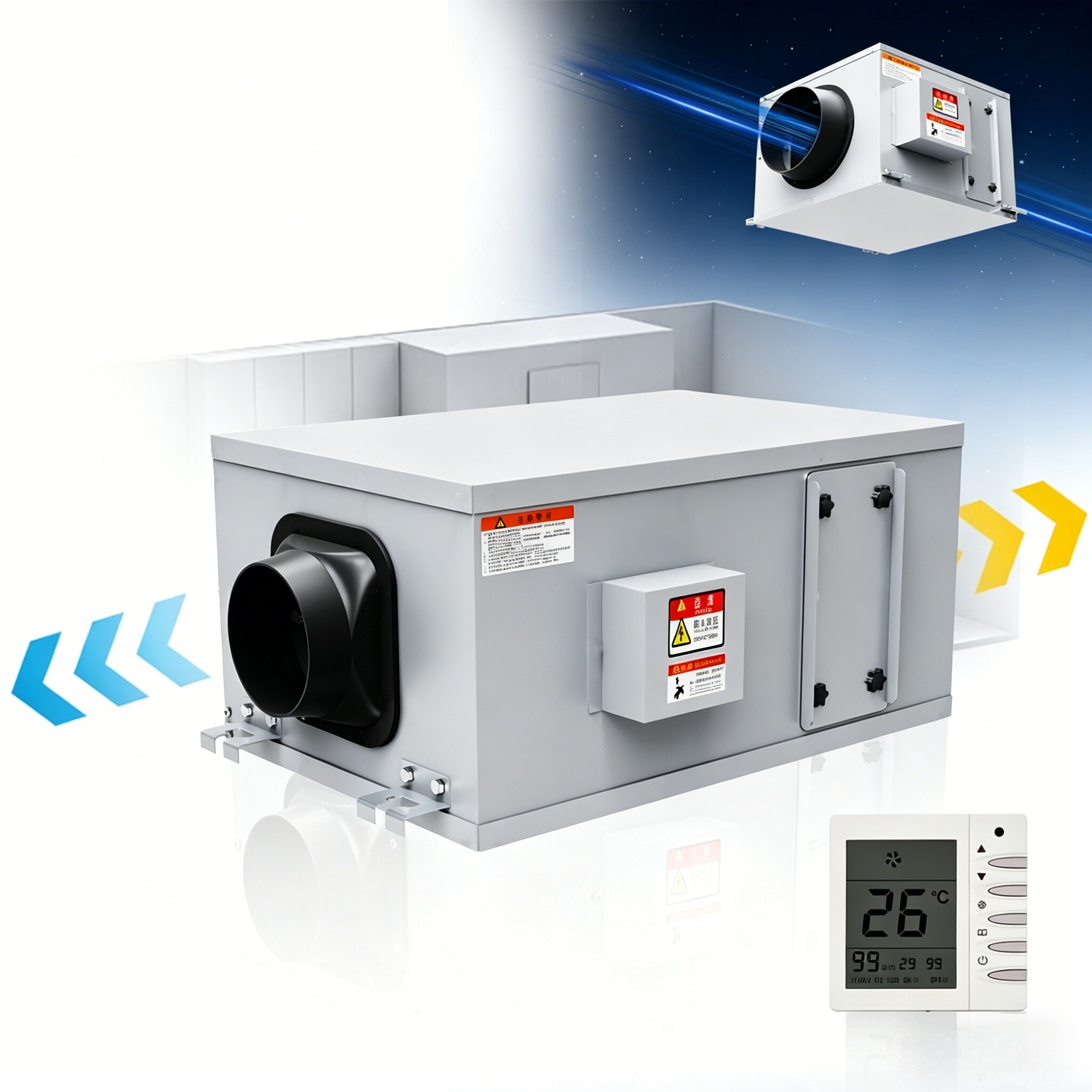
At its core, every MVHR unit consists of three essential components: dual high-efficiency fans, a cross-flow or counter-flow heat exchanger, and advanced filtration systems. Some premium models also include smart control panels and humidity sensors for automated operation. Unlike unbalanced ventilation systems that cause drafts or heat loss, MVHR delivers balanced air flow, meaning the volume of fresh air entering the home matches the volume of stale air exiting it.
The working principle of MVHR is simple yet ingenious, relying on separate air streams that never mix, ensuring pure indoor air quality and maximum heat retention. Here is the full process:
First, two independent fan systems run simultaneously. One fan extracts damp, stale, and contaminated air from high-moisture, high-occupancy rooms such as kitchens, bathrooms, and utility rooms. This exhaust air carries residual heat generated by indoor heating, appliances, and human activity.
Second, the stale exhaust air passes through one side of the central heat exchanger. At the same time, the second fan draws fresh, filtered outdoor air into the system through the opposite side of the exchanger. The two air streams flow in adjacent channels without cross-contamination, allowing the heat exchanger to transfer up to 90–95% of the residual heat from the outgoing stale air to the incoming cold fresh air.
Finally, the pre-warmed fresh air is distributed evenly into living rooms, bedrooms, and other living spaces, while the cooled, dehumidified exhaust air is expelled outside. In summer, the system works in reverse: it extracts cool indoor air to pre-cool incoming hot outdoor air, keeping interiors fresh and temperate without overworking air conditioning units.
Traditional ventilation methods like open windows release massive amounts of indoor heat in winter and cool air in summer, forcing heating and cooling systems to work harder and consume more energy. MVHR eliminates this waste by recovering the majority of otherwise lost heat. By pre-conditioning incoming air year-round, the system reduces the load on central heating and air conditioning units, cutting residential energy consumption significantly. For new builds and passive houses, MVHR is a critical component for meeting low-energy building standards and reducing long-term household utility costs.
Outdoor air may contain pollen, dust, and pollutants, but modern MVHR units are fitted with high-grade G3 or F8 filters that trap airborne contaminants before fresh air enters your home. This continuous filtered air exchange effectively removes indoor pollutants including dust mites, pet dander, VOCs from furniture and paint, cooking fumes, and excess carbon dioxide accumulated from human breathing. For residents with allergies, asthma, or respiratory sensitivities, MVHR creates a healthier living environment by eliminating common indoor air triggers.
Excess indoor moisture is the main cause of mold, mildew, condensation on windows, and rotting building materials in airtight modern homes. MVHR maintains balanced humidity levels by continuously extracting damp air from wet rooms and circulating dry, fresh air throughout the property. Consistent ventilation eliminates stagnant moist air, protecting your home’s structural integrity and preventing harmful mold growth that triggers allergies and respiratory issues.
One of the biggest drawbacks of natural ventilation is inconsistent temperatures and cold drafts, especially in winter. MVHR delivers gradual, tempered fresh air at room temperature, eliminating cold spots and draughts. The system operates silently and continuously, ensuring a constant comfortable indoor climate regardless of extreme outdoor weather conditions, whether it is freezing winter winds or sweltering summer heat.
Since MVHR removes the need for frequent window opening, it acts as a natural sound barrier against outdoor traffic noise, neighborhood chatter, and urban disturbances. The insulated ductwork and quiet fan operation further ensure indoor tranquility, making homes quieter and more peaceful. Additionally, consistent fresh air circulation eliminates stuffy, stagnant air, creating a more pleasant living and sleeping environment.
Many homeowners confuse MVHR (HRV) with ERV (Energy Recovery Ventilation), and while both are heat recovery ventilation systems, they have distinct differences. MVHR only transfers heat between air streams, making it ideal for cold and temperate climates where heat retention is the top priority. ERV, by contrast, transfers both heat and moisture, balancing indoor humidity in hot, humid summers and dry winters. For most UK and Northern European homes, MVHR is the more practical, cost-effective choice, while ERV suits tropical or highly humid regions.
Proper sizing and professional installation are critical to maximizing MVHR performance. Systems must be sized in line with industry standards such as ASHRAE 62.1 and local building regulations, based on property size, room count, and number of occupants. An undersized unit will fail to ventilate effectively, while an oversized unit causes unnecessary energy waste and noise.
Professional installation involves fitting a central MVHR unit in loft spaces, utility rooms, or cupboards, alongside a network of insulated ductwork running to every room. Installers carefully separate extract and supply ducts to avoid air mixing and optimize heat exchange efficiency. For new builds, MVHR is integrated during construction; for retrofits, compact slimline units are available to suit existing properties without major renovations.
MVHR systems are low-maintenance, but routine upkeep ensures long service life and consistent performance. The most essential task is regular filter replacement, recommended every 6–12 months, as clogged filters reduce air flow, lower heat recovery efficiency, and compromise air quality. Homeowners should also check ductwork annually for dust build-up and clear any blockages around the external vents.
A full professional service every 2–3 years is advised to clean the heat exchanger, inspect fan operation, and test system efficiency. Well-maintained MVHR units can last 15–20 years, delivering decades of energy savings and healthy air quality.
For modern airtight homes, passive houses, eco-renovations, and properties in urban areas with poor outdoor air quality, MVHR is absolutely worth the investment. While the upfront installation cost is higher than basic ventilation solutions, the long-term benefits far outweigh the expense: lower energy bills, reduced maintenance costs from mold and moisture damage, improved health, and year-round indoor comfort.
Moreover, MVHR boosts property value by enhancing energy efficiency ratings and indoor living quality, making it a desirable feature for eco-conscious home buyers and renters.
Mechanical Ventilation with Heat Recovery is the perfect fusion of energy efficiency and healthy living. It solves the core dilemma of modern airtight homes — balancing superior insulation with fresh air circulation — creating homes that are warm, dry, clean, and sustainable all year round. Whether you are building a new eco-home, renovating an old property, or simply looking to upgrade your indoor air quality and cut energy waste, MVHR stands out as a smart, future-proof solution.
By understanding how MVHR works, its unique benefits, and proper maintenance practices, you can make the most of this innovative system to create a healthier, more energy-efficient home for you and your family.
 18705226241


