


Should I Turn off my MVHR Machine When Money is Tight? Here’s the Truth
We’ve all been there: energy bills creep up, groceries get more expensive, and every pound (or dollar) starts to feel like it counts. When you’re tightening your budget, it’s natural to look at every appliance in your home and wonder—can I turn this off to save money? If you have a Mechanical Ventilation with Heat Recovery (MVHR) system, this question might feel even more pressing. After all, it runs 24/7, so surely switching it off would slash your electricity costs, right? Unfortunately, the answer isn’t that simple. In fact, turning off your MVHR when money is tight could end up costing you far more in the long run. Let’s break down why—and share smarter ways to save without sacrificing your home’s health or your wallet.
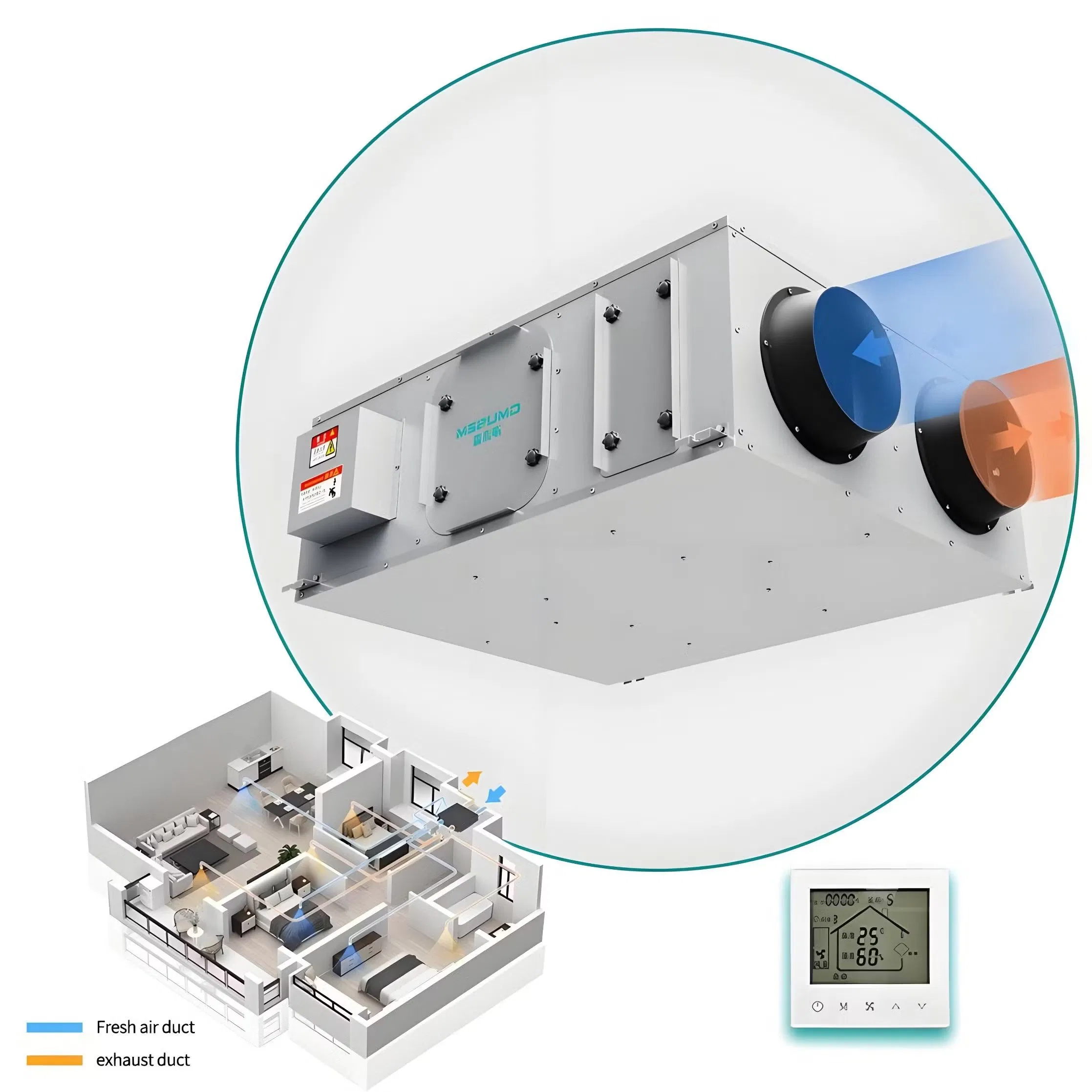
First, let’s recap what MVHR does, because understanding its purpose is key to realizing why switching it off is a bad idea. MVHR systems work by continuously bringing fresh, filtered outdoor air into your home while expelling stale, humid indoor air—all while capturing up to 95% of the heat from the outgoing air and transferring it to the incoming air[5]. This isn’t just about comfort; it’s about protecting your home and your health. Modern homes are built to be airtight (a good thing for energy efficiency!), but that means natural ventilation is limited. Without MVHR, moisture, pollutants, and stale air build up fast—and that’s where the hidden costs come in.
When you’re focused on cutting immediate electricity costs, it’s easy to overlook the long-term expenses of switching off your MVHR. Let’s break down the most costly consequences:
The average family of four produces up to 24 pints of moisture per day—from cooking, showering, even breathing[7]. Without MVHR to remove that excess moisture, it lingers in the air, settling on windows, walls, and ceilings. This leads to condensation, which quickly turns into mould. Mould isn’t just unsightly; it damages paint, wallpaper, and even structural materials like wood and plaster. Repairing mould damage can cost hundreds (if not thousands) of pounds—far more than the small amount you’d save by switching off your MVHR[2][6].
Worse, mould poses serious health risks, especially for children, the elderly, or anyone with respiratory issues like asthma or allergies. Medical bills from mould-related illnesses add another layer of unexpected costs you can’t afford when money is tight[3][8].
You might think turning off MVHR saves electricity, but it actually makes your heating system work harder. Here’s why: MVHR recovers up to 93% of the heat that would otherwise be lost through open windows or traditional extractor fans[7]. When you switch it off, that heat escapes, and your boiler or radiators have to work overtime to keep your home warm. Studies show that MVHR can reduce heating bills by 20-30% in well-insulated homes—and some households save up to £300 per year[1][7]. Turning it off means losing those savings, and your heating bills will spike as a result[2].
MVHR filters out pollutants like dust, pollen, and outdoor allergens, ensuring the air you breathe is clean[3][5]. Without it, stale air builds up, along with harmful particles and even carbon monoxide (if you use gas appliances). This can lead to headaches, fatigue, and worsening respiratory symptoms—all of which can mean missed work or doctor’s visits, adding more financial stress[2][8].
One of the biggest myths about MVHR is that it’s expensive to run. The truth? MVHR units use ultra-efficient motors, and their running costs are surprisingly low—often cheaper than running a single energy-saving light bulb[3][5]. Let’s put this in perspective:
A typical mid-sized MVHR system running 24/7 costs between £30 and £55 per year in electricity[10].
Smaller systems running at lower speeds cost even less—around £105 per year, which is the same as keeping a 40W light bulb on constantly[3].
Compare that to other household appliances: a washing machine costs around £86 per year to run, a fridge freezer £124, and a games console £49[1].
When you factor in the £300 average annual savings on heating bills[1][7], MVHR actually saves you money—even when times are tight. Turning it off would mean giving up those savings and exposing yourself to the hidden costs we mentioned earlier.
If you’re looking to cut costs, there are far better ways to optimize your MVHR than switching it off. These tweaks will reduce its energy use while keeping it working hard to protect your home and health:
Most MVHR systems have multiple speed settings: a low “background” speed for everyday use, and a higher “boost” speed for times of high moisture (like after a shower or during cooking). Keep your system on the lowest effective speed most of the time—this uses less electricity while still maintaining good ventilation[9]. Only use the boost setting when necessary, and remember to switch it back to low afterward.
Many modern MVHR systems have a summer bypass feature, which lets fresh outdoor air skip the heat exchanger when it’s warmer outside[2][9]. This prevents your home from being overheated by the system, reducing the need for fans or air conditioning—and saving you money on additional cooling costs.
A poorly maintained MVHR system has to work harder, using more electricity. Regular maintenance is cheap and easy, and it keeps your system running efficiently[8]. Here’s what to do:
Replace filters every 6-12 months (costing £20-£40 per set)[5]. Clogged filters restrict airflow, making the system use more energy.
Check the heat exchanger annually for dust buildup—cleaning it (or having a professional clean it) ensures maximum heat recovery[8].
Make sure ducts are sealed and free of blockages—leaks or clogs reduce efficiency and waste energy[2][8].
If your home has drafts or air leaks, your MVHR has to work harder to maintain good air quality and temperature. Sealing gaps around windows, doors, and floorboards with caulk or weatherstripping is a cheap and effective way to reduce your MVHR’s workload—and your overall energy bills[4].
When money is tight, every saving feels important—but turning off your MVHR is a false economy. Its running costs are minimal (as little as £30 per year!), and it saves you far more on heating bills and home repairs[10]. The hidden costs of mould, condensation, and poor health are simply too high to ignore.
Instead of switching it off, try the simple tweaks we shared to optimize its efficiency. Your wallet (and your home) will thank you. And if you’re still worried about costs, remember: MVHR is an investment in long-term savings and comfort. It’s not just an appliance—it’s a way to keep your home healthy and your energy bills manageable, even when times are tough.
Have you tried any of these MVHR money-saving tips? Or do you have other questions about keeping your system running efficiently? Drop a comment below—I’d love to hear from you!
 18705226241


