


When you think about home comfort and efficiency, your HVAC system, insulation, or smart thermostat probably comes to mind first. But there’s a quiet workhorse that’s becoming indispensable for modern homes—Residential Energy Recovery Ventilators (ERVs). These compact, powerful systems bridge the gap between fresh air and energy savings, solving a critical problem in today’s tightly sealed, energy-efficient homes: poor indoor air quality (IAQ) without sacrificing utility costs. Let’s dive into what ERVs are, how they work, and why every homeowner should consider adding one to their space.
First, let’s clarify: ERVs (Energy Recovery Ventilators) are mechanical ventilation systems designed to exchange stale indoor air with fresh outdoor air—while recovering most of the energy (heat and moisture) from the air being exhausted. Unlike simple exhaust fans that just push stale air out (and let unconditioned air seep in), or open windows that waste energy, ERVs create a balanced, controlled airflow that keeps your home fresh and efficient.
You might hear ERVs mentioned alongside HRVs (Heat Recovery Ventilators), and while they’re similar, there’s a key difference: HRVs only transfer heat, while ERVs transfer both heat and moisture. This dual function makes ERVs a more versatile choice for most climates, especially those with extreme humidity or dryness throughout the year.
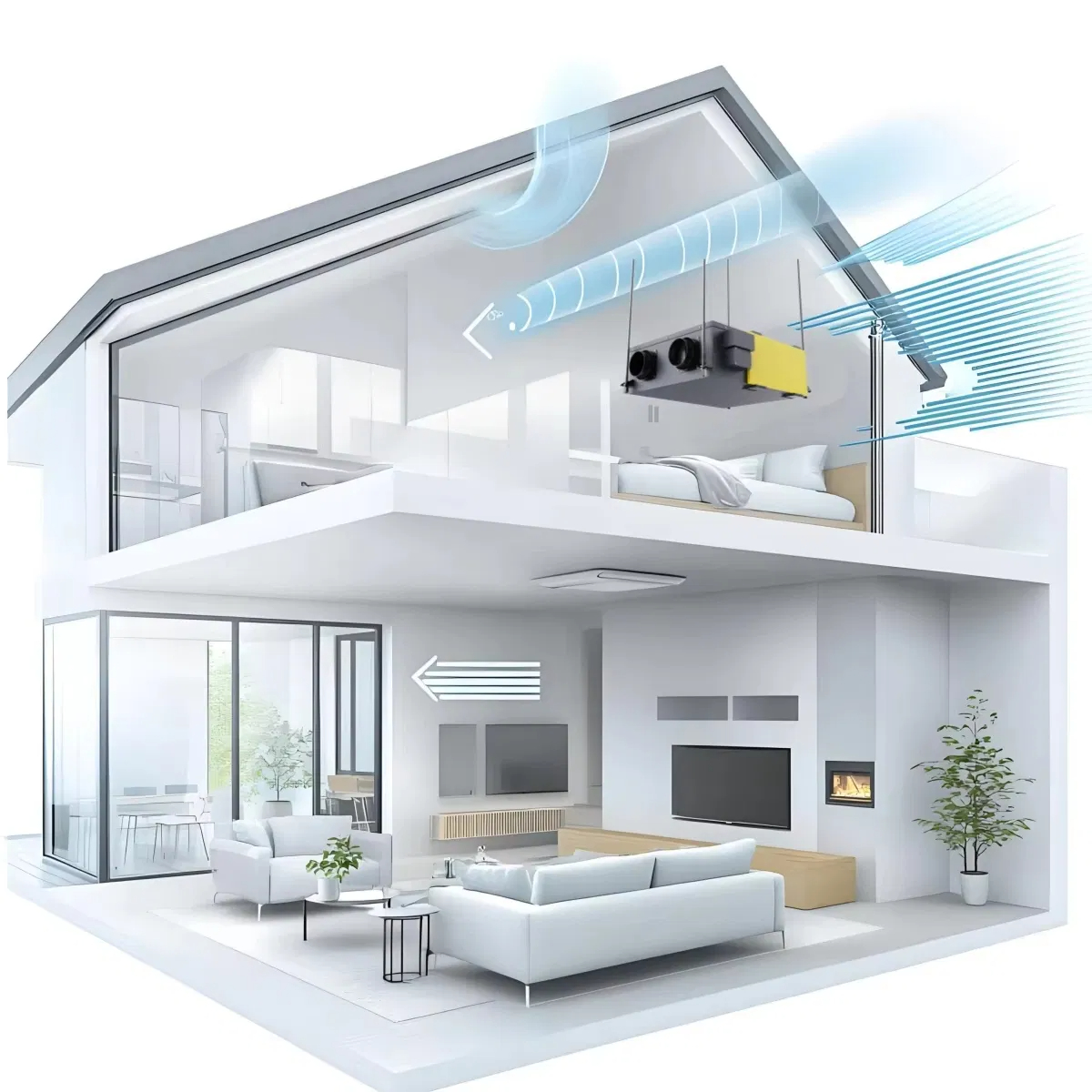
The magic of ERVs lies in their heat and moisture exchange core—a specialized membrane that acts as a bridge between two air streams: one carrying stale indoor air out, and one bringing fresh outdoor air in. Here’s a step-by-step breakdown of the process:
Exhaust Stale Air: The ERV pulls in stale air from high-pollution areas of your home—think kitchens, bathrooms, and basements—where odors, CO₂, VOCs (volatile organic compounds), and excess moisture build up.
Recover Energy & Moisture: As this stale air passes through the exchange core, it transfers most of its heat and moisture to the incoming fresh air. In winter, this pre-warms and adds moisture to cold, dry outdoor air; in summer, it pre-cools and removes excess humidity from hot, muggy outdoor air.
Supply Filtered Fresh Air: The now-tempered, filtered fresh air is distributed throughout your home’s living spaces (bedrooms, living room, home office), replacing the stale air that was exhausted.
Maintain Balance: ERVs operate on a “balanced” system, meaning they exhaust the same amount of air they supply—preventing pressure imbalances that can cause drafts, moisture buildup, or even damage to your home’s structure.
Most modern ERVs also include high-efficiency filters (like MERV 13) to trap allergens, dust, and fine particles (PM 2.5) from outdoor air, ensuring the fresh air entering your home is clean and healthy. Some models even offer Wi-Fi controls or summer bypass features, which temporarily stop heat recovery when outdoor air is cooler than indoor air—like opening a window without the energy waste.
ERVs aren’t just a “nice-to-have”—they’re a game-changer for comfort, health, and savings. Here are the biggest perks homeowners notice:
Today’s homes are built to be airtight (a good thing for energy efficiency!), but this tightness traps stale air and pollutants inside. The EPA ranks indoor air pollution among the top five environmental health risks, and with Americans spending 90% of their time indoors, this is a big concern. ERVs continuously remove harmful contaminants—like cooking odors, pet dander, mold spores, and chemicals from cleaning products—and replace them with fresh, filtered air. This is especially beneficial for people with allergies, asthma, or respiratory issues, as well as families with young children or seniors.
One of the biggest myths about ERVs is that they waste energy—but the opposite is true. By recovering 70-90% of the heat and moisture from exhaust air, ERVs reduce the workload on your furnace and air conditioner. In winter, you won’t have to heat frigid outdoor air from scratch; in summer, you won’t have to cool and dehumidify muggy air as much. Over time, this translates to lower utility bills—especially in homes with high energy costs or large square footage. In fact, ERVs are the only effective way to ventilate airtight homes without sacrificing energy efficiency.
ERVs eliminate the extremes that make homes uncomfortable: dry air in winter (which causes chapped lips, sore throats, and static electricity) and muggy air in summer (which makes your AC work harder and leaves you feeling sticky). By balancing moisture levels, ERVs keep your home’s humidity between 30-50%—the sweet spot for comfort and health. They also reduce drafts and maintain consistent temperatures throughout your home, so you won’t have hot or cold spots in different rooms.
Excess moisture is a homeowner’s worst enemy—it leads to mold, mildew, rot, and even structural damage. ERVs control moisture by exhausting humid air (from showers, cooking, or laundry) and preventing unconditioned, humid outdoor air from seeping in. This protects your walls, ceilings, furniture, and HVAC system from moisture-related wear and tear, extending the life of your home and its systems.
Modern residential ERVs are designed to be whisper-quiet—most operate at under 0.5 sones, so you’ll barely notice they’re running. They also require minimal maintenance: just clean or replace the filters every 3-6 months and occasionally clean the exchange core. Unlike ductwork-heavy systems, ductless ERVs are even easier to install (often DIY-friendly with core drilling) and maintain, making them a great option for retrofits or older homes.
As we mentioned earlier, ERVs and HRVs are similar, but their moisture-handling capabilities make them better suited for different climates. Here’s a quick guide to choosing between them:
Choose an ERV if: You live in a humid climate (like the southern U.S.), a mixed climate with both hot, humid summers and cold, dry winters, or a home prone to dryness in winter. ERVs’ moisture transfer feature will help you control humidity year-round.
Choose an HRV if: You live in a cold, dry climate (like the northern U.S. or western mountains) where moisture control is less critical. HRVs focus solely on heat recovery, which is ideal for retaining warmth in frigid winters.
If you’re ready to invest in an ERV, here are a few factors to keep in mind to ensure you pick the right system for your home:
Home Size & Airflow Needs: ERVs are sized by airflow (measured in cubic feet per minute, CFM). A general rule of thumb is to match the ERV’s CFM to your home’s square footage and number of bedrooms—for example, a 2,000 sq. ft. home with 3 bedrooms typically needs a 60 CFM ERV. You can also use an ASHRAE 62.2 calculator or consult a HERS rater to get an exact size.
Efficiency Ratings: Look for ERVs with high sensible heat recovery efficiency (SRE) and total energy recovery efficiency (TRE)—these ratings measure how well the system recovers heat and moisture. ENERGY STAR certified ERVs meet strict efficiency standards, so they’re a reliable choice.
Installation Type: Ductless ERVs are perfect for retrofits or homes without existing ductwork—they mount through exterior walls and require minimal construction. Ducted ERVs integrate with your existing HVAC ductwork, making them ideal for new builds or homes with central air.
Brand & Reliability: Stick to trusted brands like RenewAire, Bryant, Vents US, or Lunos—these manufacturers offer high-quality ERVs with good warranties and customer support. HVAC consultants often recommend brands with a proven track record of efficiency and durability, like RenewAire, which is popular for its easy installation and low maintenance needs.
For most homeowners—especially those in airtight, energy-efficient homes—an ERV is one of the best investments you can make for your health, comfort, and wallet. It solves the hidden problem of poor indoor air quality without wasting energy, and it requires minimal effort to maintain. Whether you’re building a new home, renovating an older one, or just looking to upgrade your ventilation, an ERV works quietly behind the scenes to make your home a healthier, more comfortable place to live.
If you’re unsure where to start, consult a local HVAC professional who can assess your home’s needs, recommend the right ERV size and model, and handle installation. With an ERV, you’ll breathe easier knowing your home has fresh, clean air—without the energy waste.
Ready to upgrade your home’s ventilation? Your lungs (and your utility bill) will thank you.
 18705226241


