


If you live in a modern, well-insulated home—or you’re planning a new build or full renovation—you’ve probably heard one common complaint: stuffy air, excess moisture, mould risks, and sky-high heating costs that don’t seem to match how airtight the property is. Traditional ventilation solutions like opening windows, extractor fans, or portable air purifiers often create more problems than they solve: letting out precious warm air in winter, wasting energy, letting in outdoor pollutants, and failing to deliver consistent fresh air year-round.
That’s where Mechanical Ventilation with Heat Recovery (MVHR) comes in. Often called the “gold standard” of home ventilation, MVHR systems solve two big homeownership headaches at once: delivering a constant flow of clean, fresh indoor air and recycling heat that would otherwise be wasted. It’s a game-changing upgrade for sustainable, comfortable, and healthy living—and in this post, we’re breaking down everything you need to know about how it works, its key benefits, and whether it’s right for your home.
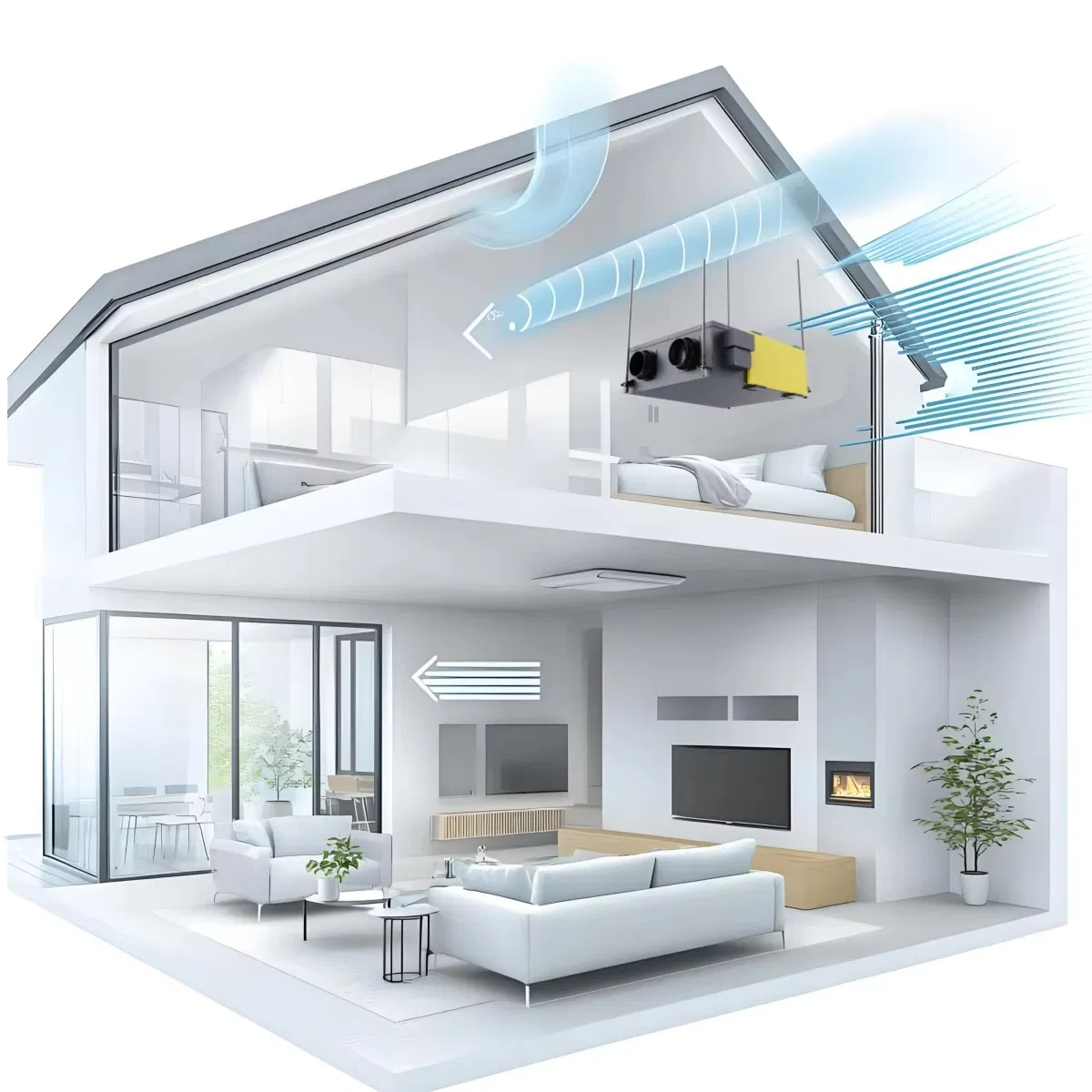
Let’s start with a simple definition: MVHR is a whole-building mechanical ventilation system that continuously replaces stale, moist indoor air with filtered fresh outdoor air—without losing heat. Unlike basic extractor fans that just pump warm air outside, MVHR uses a built-in heat exchanger to capture heat from the outgoing stale air and transfer it to the incoming cold fresh air, keeping your home warm while refreshing the air you breathe.
Crucially, the two air streams never mix. This means you get zero cross-contamination between stale, polluted indoor air and clean incoming air, making it far more hygienic than recirculating air systems. Modern high-efficiency MVHR units can recover up to 85-95% of heat that would typically be lost through ventilation, making it one of the most energy-efficient home ventilation options on the market.
You don’t need to be an HVAC expert to understand the MVHR process—it’s built on a simple, clever cycle that runs quietly 24/7:
Stale Air Extraction: The system quietly pulls stale, humid air from “wet rooms” where moisture and pollutants build up most—think kitchens, bathrooms, utility rooms, and even home offices. This air is full of excess humidity, cooking fumes, dust, CO₂, and allergens.
Heat Exchange: This stale warm air passes through a central heat exchanger core inside the MVHR unit. At the same time, fresh outdoor air is drawn into the system through a separate duct, passing through a filter to remove pollen, dust, pollution, and insects.
Heat Transfer & Air Distribution: The heat exchanger transfers warmth from the outgoing stale air to the incoming filtered fresh air. The now pre-warmed, clean air is then distributed evenly throughout living spaces like bedrooms, living rooms, and dining areas via a network of insulated ducts.
Continuous Cycle: The process runs non-stop at a low, quiet speed, maintaining consistent air quality and temperature without drafts or sudden heat loss. Most systems have adjustable settings for extra ventilation during cooking, showering, or busy periods.
MVHR isn’t just a ventilation upgrade—it’s an investment in your home’s efficiency, your health, and your daily comfort. Here are the top benefits that make it worth considering:
Heating homes is one of the biggest household expenses, especially in colder months. By recovering up to 95% of wasted heat, MVHR reduces the load on your central heating system, heat pump, or underfloor heating. Most homeowners see a 20-30% reduction in annual heating bills compared to homes with traditional ventilation. It pairs perfectly with low-carbon heating systems like heat pumps, making it a key part of a net-zero home.
Modern airtight homes trap pollutants, excess CO₂, dust mites, and mould spores—all of which worsen allergies, asthma, and respiratory issues. MVHR delivers a constant supply of filtered fresh air, eliminating stuffiness, bad odours, and mould growth caused by excess humidity. It also blocks outdoor allergens and air pollution, making it ideal for families, allergy sufferers, and anyone prioritizing clean indoor air.
Damp and mould are common headaches in well-insulated homes, as trapped moisture can’t escape. MVHR actively removes excess humidity from bathrooms and kitchens, preventing condensation on windows, walls, and furniture. This protects your home’s structure, preserves decor, and avoids the cost and hassle of mould remediation.
Unlike opening windows (which creates cold drafts and lets in street noise) or noisy extractor fans, MVHR runs at a near-silent hum. You can keep windows closed year-round, blocking outdoor noise while maintaining perfect air quality—no more chilly drafts or disruptive fan noise.
In many regions, including the UK, updated building regulations (Part F for ventilation) require effective, energy-efficient ventilation for new builds and highly insulated renovations. MVHR systems are fully compliant when professionally installed, helping you meet legal standards and boost your property’s EPC rating.
MVHR shines in specific properties, and it’s most effective in:
New build homes with high insulation and airtightness
Full home renovations where you’re upgrading insulation and HVAC
Homes with persistent mould, damp, or poor air quality
Energy-efficient/passive homes aiming for low carbon emissions
While it can be retrofitted to some older homes, it works best in properties with good insulation—since the system relies on retaining heat, a drafty, poorly insulated home will limit its efficiency. Always consult a professional MVHR installer to assess your property’s suitability.
Installation: MVHR is a whole-house system, so it’s best planned during the early stages of a new build or renovation. The central unit is usually fitted in the loft or a utility cupboard, with insulated ducts routed to each room. Professional design and installation are critical for optimal airflow and heat recovery.
Maintenance: MVHR is low-maintenance! You’ll just need to replace filters every 6-12 months (to keep air clean and efficiency high) and get an annual professional check-up to clean the heat exchanger and check fan performance. It uses minimal electricity—far less than the energy it saves on heating.
In a world where energy costs are rising and indoor air quality is more important than ever, MVHR isn’t just a luxury—it’s a practical, sustainable solution for modern homes. It balances energy efficiency with health and comfort, solving the biggest flaws of airtight living without compromise.
If you’re tired of stuffy rooms, mould worries, and inflated heating bills, an MVHR system could be the long-term upgrade your home needs. It’s an investment that pays off every month with lower bills, a healthier living space, and year-round comfort.
Pro Tip: Always choose a certified MVHR installer and look for units with high heat recovery efficiency (85%+) and quiet operation for the best results.
Have you considered MVHR for your home, or do you already have one installed? Share your thoughts in the comments below!
 18705226241


