


Mechanical Ventilation and Heat Recovery (MVHR): The Key to Healthy, Energy-Efficient Homes
As modern homes become increasingly airtight to meet strict energy efficiency standards, a critical challenge emerges: how to maintain high indoor air quality (IAQ) without sacrificing energy savings. Enter Mechanical Ventilation and Heat Recovery (MVHR)—a game-changing system that solves this dilemma by delivering fresh, filtered air while reclaiming heat that would otherwise be lost to the outdoors. For homeowners, architects, and building professionals alike, MVHR is no longer a luxury; it’s a necessity for creating comfortable, healthy, and sustainable living spaces.
In this blog, we’ll break down what MVHR is, how it works, its core benefits, key considerations for installation and maintenance, and why it’s the ideal ventilation solution for today’s airtight homes. Whether you’re building a new home, retrofitting an existing one, or simply curious about upgrading your ventilation system, this guide will demystify MVHR and help you understand its value.
MVHR is a balanced mechanical ventilation system designed to continuously supply fresh outdoor air to a home while extracting stale, polluted indoor air—all while recovering the heat from the outgoing air to warm the incoming air. Unlike traditional ventilation systems (which often waste energy by expelling heated air), MVHR prioritizes energy efficiency by reusing heat that would otherwise be lost, making it a sustainable choice for cold, temperate, and even humid climates.
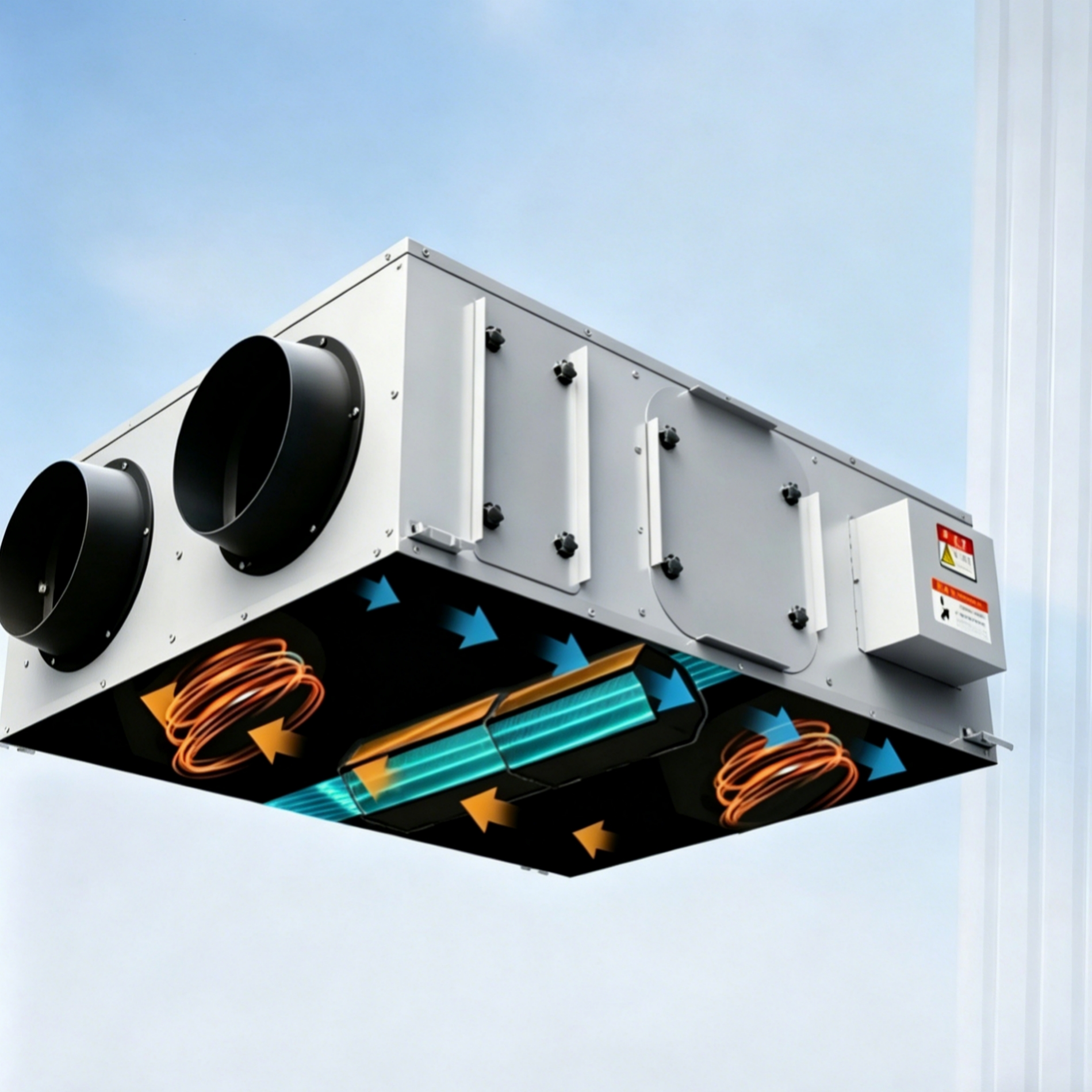
At its core, an MVHR system consists of four key components: a heat exchanger, supply and extract fans, ductwork, and filters. These components work together to create a closed-loop system that maintains consistent airflow, improves IAQ, and reduces energy consumption—all without requiring manual intervention from homeowners.
MVHR operates on a simple yet effective principle: heat recovery from stale indoor air to pre-warm fresh outdoor air. Here’s a detailed look at how the system functions:
Extract Stale Air: The system’s extract fan pulls stale, moisture-laden air from “wet” or high-pollution areas of the home, such as kitchens, bathrooms, utility rooms, and even bedrooms. This air contains pollutants like CO₂, cooking odors, mold spores, and excess humidity—all of which can compromise IAQ and damage the home over time.
Heat Exchange: The stale air passes through a heat exchanger (the heart of the MVHR system). As it flows through the exchanger, the heat from the stale air is transferred to a separate stream of fresh outdoor air—without the two air streams mixing (this is called “cross-flow” or “counter-flow” heat exchange, depending on the design).
Supply Fresh Air: The pre-warmed fresh air (now heated by the recovered heat) is filtered to remove outdoor pollutants like dust, pollen, and allergens, then distributed via ductwork to “habitable” areas of the home, such as living rooms, bedrooms, and home offices. This ensures occupants breathe clean, tempered air year-round.
Expel Cooled Stale Air: After transferring its heat, the now-cooled stale air is expelled outside. In cold climates, this process prevents the loss of valuable heat; in warmer climates, some MVHR systems can also work in reverse (heat rejection) to cool incoming air, though this is less common.
Most modern MVHR systems are “continuous” (run 24/7 at low speed) to maintain consistent IAQ, with the option to boost airflow during high-usage periods (e.g., cooking or showering) for extra ventilation.
MVHR offers a unique combination of benefits that make it stand out from other ventilation systems (such as MEV, PIV, or natural ventilation). Here are the most significant advantages for homeowners and building professionals:
Airtight homes trap pollutants and excess moisture, leading to issues like mold growth, stuffiness, and poor respiratory health. MVHR continuously replaces stale air with fresh, filtered air, reducing levels of CO₂, volatile organic compounds (VOCs), allergens, and moisture. This is especially beneficial for families with allergies, asthma, or young children, as well as anyone spending significant time indoors.
By recovering up to 80% (or more) of the heat from outgoing stale air, MVHR reduces the load on your home’s heating system. In cold climates, this can cut heating costs by 10-20%—a significant saving over time. Unlike opening windows (which wastes heated air) or using standard extract fans (which expel heat), MVHR lets you enjoy fresh air without sacrificing energy efficiency.
MVHR pre-warms (or pre-cools, in some cases) incoming air, so you won’t experience sudden blasts of cold air when the system runs—unlike traditional ventilation. This maintains a consistent temperature throughout the home, eliminating drafts and reducing the need for frequent adjustments to your thermostat.
Excess moisture is one of the biggest threats to a home’s structure, leading to mold, mildew, and rot. MVHR extracts moisture at the source (kitchens, bathrooms) and maintains optimal indoor humidity levels (between 40-60%), protecting your walls, ceilings, and furniture from water damage.
Modern MVHR systems are designed to run quietly (usually between 20-30 dB)—quieter than a whisper—so they won’t disrupt daily life. The fans are typically installed in utility rooms, lofts, or basements, and ductwork is insulated to further reduce noise.
While MVHR offers numerous benefits, its effectiveness depends on proper design, installation, and maintenance. Here are the most important factors to keep in mind:
MVHR works best in airtight homes (design air permeability < 5 m³/(h·m²) at 50 Pa). In less airtight homes, natural infiltration may compete with the system, reducing its efficiency. A blower door test is recommended to assess airtightness before installing MVHR.
Look for MVHR systems with a heat recovery efficiency of at least 70% (per BS EN 13141-7). Higher efficiency means more heat is recovered, leading to greater energy savings. Counter-flow heat exchangers (which transfer heat more effectively than cross-flow) are ideal for cold climates.
Poor ductwork can reduce airflow, waste energy, and create noise. Use rigid ducts for main runs (to minimize resistance) and limit flexible ducts to 1.5 meters or less. Seal all joints to prevent leaks, and ensure ductwork is sized correctly for the home’s square footage and ventilation needs.
Filters are critical for removing outdoor pollutants (dust, pollen, PM2.5) and indoor allergens. Choose systems with HEPA H13 filters for maximum air purification, especially in urban or polluted areas. Activated carbon filters can also help reduce odors and VOCs.
Outdoor air intakes should be placed in clean, unpolluted areas—at least 2 meters above the ground, 3 meters below exhaust outlets, and 10 meters away if at the same height. This prevents cross-contamination (stale air being drawn back into the home).
Like any home system, MVHR requires regular maintenance to ensure optimal performance and longevity. Here’s a simple maintenance checklist:
Replace Filters: Replace supply and extract filters every 3-6 months (or more frequently if you have pets, allergies, or live in a polluted area). Clogged filters reduce airflow and efficiency.
Clean Heat Exchanger: Have the heat exchanger cleaned annually by a qualified technician to remove dust and debris, which can reduce heat transfer efficiency.
Check Ductwork: Inspect ductwork for leaks or blockages annually. Seal any leaks with duct tape or mastic to maintain airflow.
Test Airflow: Use a flow meter to check that supply and extract airflow rates are within the manufacturer’s recommended range. Adjust fans if necessary.
Inspect Frost Protection: In cold climates, ensure the system’s frost protection (e.g., a defrost cycle or pre-heater) is working to prevent the heat exchanger from freezing.
MVHR is an excellent choice for: New builds (especially airtight, energy-efficient homes).Retrofits of older homes that have been made more airtight (e.g., with insulation or new windows).Homes in cold or temperate climates (where heat recovery provides the most energy savings).Families prioritizing IAQ, comfort, and sustainability.It’s less ideal for homes in extremely hot, humid climates (where heat recovery may not be necessary) or homes with very low airtightness (where natural ventilation may be sufficient). In these cases, MEV (Mechanical Extract Ventilation) or PIV (Positive Input Ventilation) may be better options.
Mechanical Ventilation and Heat Recovery is more than just a ventilation system—it’s an investment in your home’s health, comfort, and sustainability. By delivering fresh, filtered air while reclaiming heat, MVHR solves the dual challenge of modern airtight homes: maintaining IAQ without wasting energy.
Whether you’re building a new home or upgrading an existing one, MVHR offers long-term value: lower utility bills, improved health, reduced maintenance costs (from mold and moisture damage), and a more comfortable living environment. To ensure the best results, work with a qualified ventilation specialist who can design and install a system tailored to your home’s unique needs.
Ready to learn more about how MVHR can transform your home? Contact a local ventilation expert today to schedule a consultation and take the first step toward healthier, more energy-efficient living.
 18705226241


