


Mechanical Ventilation Heat Recovery Maintenance: Complete MVHR Care Guide
A Mechanical Ventilation Heat Recovery (MVHR) system is a long-term investment for modern UK homes. It delivers constant fresh air, eliminates condensation, reduces mould risks, and cuts down annual heating expenses. However, many homeowners overlook one critical factor: regular maintenance. Without proper servicing, even the highest-quality MVHR units will lose efficiency, generate unwanted noise, accumulate dust, and suffer from shortened service life. In this blog, we walk you through everything about Mechanical Ventilation Heat Recovery maintenance, including routine tasks, professional servicing, common faults, and expert tips to keep your system running optimally all year round.
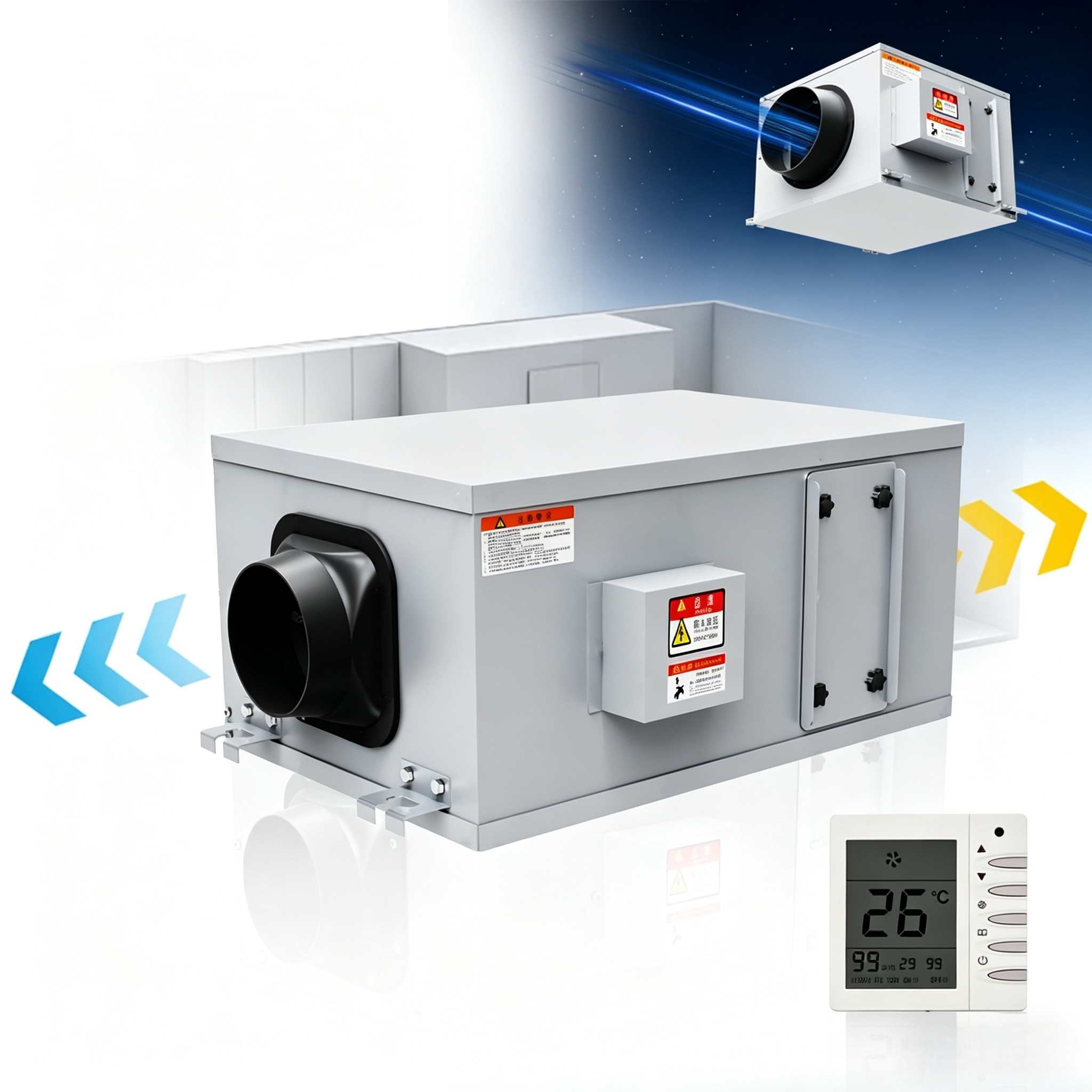
MVHR systems work silently behind the scenes, exchanging stale indoor air with filtered fresh outdoor air while recovering residual heat through the internal heat exchanger. Since most units are installed in lofts, utility rooms, or concealed cupboard spaces, they are easily forgotten once fitted. Consistent maintenance brings undeniable benefits for every household.
Dust, pollen, and grime gradually build up on filters and heat exchanger cores. Dirty components block airflow and reduce heat transfer performance. A poorly maintained MVHR unit can lose 15% to 30% of its heat recovery rate, leading to colder incoming air and higher household energy consumption.
The core advantage of an MVHR system is air filtration. Clogged filters cannot trap pollen, coastal dust, bacteria, or airborne allergens effectively. Regular maintenance prevents contaminated air from circulating inside your property, which is especially essential for people with asthma, hay fever, or respiratory sensitivities.
Stagnant moisture and accumulated dirt inside ducts create perfect breeding grounds for mould, mildew, and bacteria. Without cleaning, these harmful pollutants circulate throughout bedrooms and living spaces, causing unpleasant odours and potential health risks.
Dusty fan blades and blocked airways cause turbulent airflow, resulting in humming, rattling, or buzzing noises. Routine maintenance keeps fans balanced, reduces mechanical friction, and extends the overall lifespan of motors and internal components.
Most simple MVHR maintenance tasks can be completed by homeowners without professional tools. Below is a clear time-based maintenance schedule suitable for all domestic MVHR systems across the UK.
Air filters are the most consumable and critical part of any MVHR system. Standard residential MVHR units are equipped with G4 supply filters and optional F7 pollen filters.
General households: Replace basic G4 filters every 12 months.
Coastal or countryside homes: Replace filters every 6 to 9 months due to higher salt dust, pollen, and airborne particles.
Pet owners: Carry out filter checks every 3 months to remove pet hair and dander.
Always replace filters with manufacturer-approved specifications. Mismatched cheap filters may block airflow, increase static pressure, and damage internal fans.
Wall and ceiling diffusers collect dust, grease, and tiny debris over time. Homeowners should remove all air grilles once a year, wipe them with warm soapy water, and ensure no residual dust blocks ventilation openings. It is recommended to keep bathroom and kitchen vents extra clean, as humid air accelerates dust adhesion.
Open the MVHR unit casing to check for condensation build-up, blocked drain lines, or loose internal wiring. Pay close attention to the condensate trap, which prevents humid water from remaining inside the heat exchanger. Clean the drain trap regularly to avoid standing water and unpleasant damp smells.
Besides daily homeowner maintenance, every MVHR system requires a full professional service every three to five years. Certified ventilation engineers conduct deep cleaning and system calibration that cannot be completed without specialised equipment.
The cross-flow heat exchange core accumulates invisible fine dust over years. Professionals use compressed air and neutral cleaning solutions to flush the core without damaging the membrane plates. This step restores heat recovery efficiency to near-factory standards.
Engineers inspect duct runs for air leakage, mould growth, or collapsed duct segments. Rigid ducting usually remains stable, while flexible ducts are checked for sagging and compression. Sanitising treatment eliminates bacteria and lingering odours inside pipework.
Supply and extract fans are disassembled for deep dust removal. Technicians balance fan blades to eliminate vibration noise and lubricate motor bearings to reduce mechanical wear.
Using professional anemometers, engineers recalibrate airflow rates for each room to ensure compliance with UK Building Regulations Part F. This step guarantees balanced fresh air distribution across living areas, bedrooms, and wet rooms.
Many typical MVHR issues are avoidable with regular upkeep. Here are the most frequent problems homeowners face:
Continuous humming noise: Dirty fan blades and unbalanced internal components.
Cold incoming fresh air: Blocked heat exchanger reducing thermal transfer performance.
Damp or musty odour: Standing water in condensate traps and mould inside ducts.
Uneven airflow: Clogged grilles and uncalibrated system pressure.
Excessive energy consumption: Overworked fans struggling to push air through blocked filters.
MVHR maintenance remains affordable compared with other domestic HVAC systems. Below are the average UK service costs:
Replacement filters: £20 – £120 depending on filter grade and unit model.
Annual basic service: £150 – £250 including filter replacement and grille cleaning.
Full deep servicing: £350 – £600 covering core cleaning, duct inspection, and airflow balancing.
Compared with the savings on heating bills and avoided replacement costs, regular maintenance is an extremely cost-effective long-term measure.
Never remove filters permanently: Running an MVHR system without filters causes irreversible contamination to the heat exchanger core.
Keep external terminals clear: Ensure outdoor intake and exhaust grilles are free from leaves, weeds, and debris.
Avoid blocking unit ventilation space: Do not store heavy items on or around the MVHR unit in lofts or cupboards.
Do not adjust fan speed randomly: Sudden frequent speed changes shorten fan motor lifespan.
Mechanical Ventilation Heat Recovery maintenance is not complicated, yet it is consistently overlooked by homeowners. Simple annual filter changes and occasional professional deep cleans can keep your MVHR system efficient, quiet, and healthy for 15 to 25 years. A well-maintained MVHR system protects your property from damp and mould, maintains consistent indoor temperatures, and maximises your return on energy-saving investments.
If you are unsure about your current MVHR condition or need a professional inspection, contact a local certified ventilation engineer to book a routine service. Small maintenance today prevents expensive repairs tomorrow.
 18705226241


