


Mechanical Extract Systems: The Unsung Heroes of Modern Industrial & Residential Efficiency
When we talk about efficient manufacturing, healthy indoor environments, and sustainable material processing, most people focus on high-tech automation or smart sensors. Yet one foundational technology quietly powers countless industries and buildings every single day: mechanical extract systems. From purifying indoor air in modern homes to separating raw materials in food, pharmaceutical, and chemical factories, these systems leverage physical mechanical forces to deliver reliable, cost-effective extraction and separation. In this blog, we’ll break down what mechanical extract systems are, how they work, their core types, key benefits, and real-world applications.
At their core, mechanical extract systems are engineered setups that use pure mechanical forces—rather than chemical solvents or complex thermal reactions—to separate target substances, remove unwanted pollutants, or extract valuable components from raw materials or enclosed spaces . Unlike chemical extraction methods that rely on chemical reactions, mechanical extraction depends on physical forces including pressure, shear force, and centrifugal force to achieve separation, making it a cleaner, safer, and more eco-friendly solution for most conventional extraction needs.
These systems fall into two major categories based on application scenarios:residential and commercial ventilation extraction systems (represented by MEV systems) and industrial material extraction systems. Though their application targets differ, they share the same core logic: using mechanical equipment to create pressure differences and force directional separation and extraction.
All mechanical extract systems operate on three fundamental mechanical forces, which can be used independently or combined to adapt to different extraction demands:
This is the most widely used principle in industrial solid-liquid extraction. Mechanical pressing machines apply continuous or intermittent pressure to raw materials, squeezing out liquid components (such as plant oil, juice, or essential liquid solutions) from solid materials . Cold pressing, a popular pressure-based extraction method, operates at room temperature to preserve the active ingredients and nutritional value of materials, widely used in high-end edible oil and organic food processing.
Shearing force breaks down bulk raw materials into tiny particles through cutting, grinding, and stirring. This process expands the contact area of internal components, enabling more thorough separation of target substances . It is often used as a pre-treatment step before pressure or centrifugal extraction to improve overall extraction efficiency.
High-speed rotating equipment generates powerful centrifugal force, separating components of different densities rapidly. For liquid-liquid or liquid-solid mixed materials, low-density and high-density substances can be completely stratified in a short time . Centrifugal extractors are the core equipment of continuous industrial production lines, realizing efficient, large-scale and automated extraction.
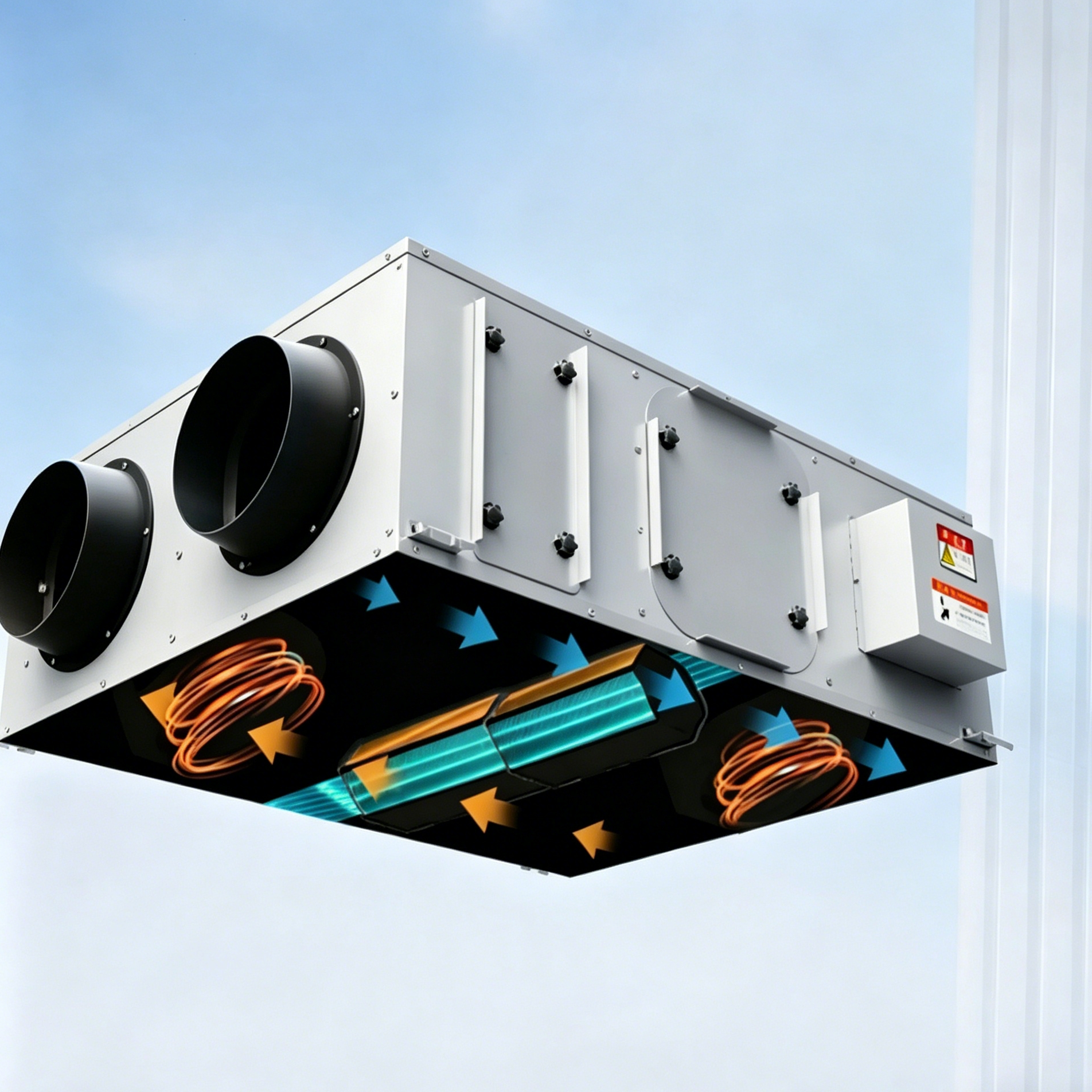
For building ventilation extract systems, motor-driven fans create negative pressure indoors, continuously drawing out damp, polluted, and stale air, while guiding fresh outdoor air into the room through reserved vents to form balanced air circulation . This is the working logic of the mainstream Mechanical Extract Ventilation (MEV) systems in modern buildings.
MEV systems are the mainstream mechanical extraction solution for residential and light commercial buildings. Composed of a central fan, ductwork, and multiple extract grilles, these systems are usually installed in lofts or hidden cabinet spaces . They continuously extract moisture-laden and polluted air from wet rooms such as kitchens, bathrooms, and toilets, effectively preventing mold growth, condensation, and indoor air stagnation .
Different from heat recovery ventilation systems, standard MEV systems focus purely on efficient air extraction, featuring simple structure, low energy consumption, and almost maintenance-free operation. They are especially suitable for modern highly sealed buildings that lack natural ventilation conditions .
Mainly including continuous and intermittent pressing equipment, these systems dominate the food processing industry. Continuous press machines support large-scale, uninterrupted production, applicable to most oilseed raw materials. Intermittent cold presses are more suitable for small-batch, high-precision production, retaining the natural flavor and active substances of raw materials without high-temperature friction heating .
As the core equipment of modern continuous chemical and pharmaceutical production, centrifugal extractors realize automatic mixing and separation of two-phase liquids. The high-speed rotating drum completes mass transfer and separation in milliseconds, with higher efficiency and better continuity than traditional extraction equipment . They are widely used in the extraction of pharmaceutical intermediates, fine chemicals, and environmental wastewater treatment.
Customized mechanical extractors such as vibrating extractors and flat-bottom extractors are designed for special raw materials. Vibrating extractors solve the extraction problem of non-flowing bulk materials in silos and storage tanks, while flat-bottom extractors adapt to rough, low-fluidity materials, featuring fast unloading speed and small footprint .
Mechanical extraction relies entirely on physical separation, with no need for chemical solvents or additives. It avoids residual chemical pollution and toxic by-products, making it compliant with food safety and environmental protection standards . It is far safer than chemical extraction processes that carry explosion and corrosion risks.
The structural design of mechanical extract systems is mature and simple, with fewer vulnerable parts. Compared with intelligent thermal extraction and chemical extraction equipment, their procurement, operation, and maintenance costs are significantly lower. Especially MEV ventilation systems, which require almost no daily maintenance and only need regular filter cleaning .
From small-batch laboratory extraction and household ventilation to large-scale industrial assembly line production, mechanical extract systems can be flexibly configured. They support both intermittent small-batch production and continuous high-volume automated production, fully meeting the needs of different scenarios .
Mechanical force operation is highly controllable and consistent. Equipment such as rotary extractors and centrifugal extractors ensures uniform processing conditions for each batch of materials, avoiding quality fluctuations caused by manual operation or unstable chemical reactions .
MEV mechanical extract systems have become standard supporting facilities for new energy-saving buildings. They solve the problem of poor natural ventilation in highly insulated and sealed houses, reduce indoor humidity, inhibit mold and bacteria growth, and create a healthy and comfortable living environment .
Pressure-based mechanical extraction technology is widely used in the processing of peanut oil, sunflower oil, sesame oil, and plant essential oils. Cold mechanical extraction retains the maximum nutritional components of raw materials, meeting the market demand for natural and organic food .
Centrifugal mechanical extract systems are used for the separation and purification of pharmaceutical ingredients, chemical solutions, and industrial wastewater. Their high-efficiency continuous separation capability greatly improves production efficiency and reduces industrial waste discharge .
Specialized vibrating and flat-bottom extractors are applied in mining, building materials, and grain storage industries, realizing stable extraction and transportation of difficult-to-flow bulk materials and optimizing industrial material handling processes .
With the advancement of energy-saving technology and intelligent manufacturing, mechanical extract systems are constantly upgrading. Modern systems are gradually integrating smart sensors, automatic frequency conversion control, and remote monitoring functions. For example, intelligent MEV systems can automatically adjust extraction speed according to indoor humidity and air quality, further reducing energy consumption . Industrial extraction equipment is developing towards high precision, low noise, and full automation, realizing unmanned operation of the whole process.
In addition, driven by the global sustainable development trend, physical mechanical extraction, as a green production technology, will gradually replace traditional high-pollution chemical extraction processes, with broader application prospects in environmental protection, new energy, and biological manufacturing fields.
Mechanical extract systems may not be the most eye-catching technology, but they are an indispensable cornerstone of modern life and industrial production. Whether it is maintaining fresh indoor air quality for families or realizing green and efficient separation and extraction in industrial production, these systems deliver stable, economical, and eco-friendly solutions through simple and powerful physical mechanical principles.
As energy-saving and environmental protection requirements continue to improve, the optimization and popularization of mechanical extract systems will surely bring more value to residential life and industrial upgrading.
 18705226241


