


MVHR: Unlocking the Benefits of Mechanical Ventilation with Heat Recovery for Modern Homes
In an era where energy efficiency, indoor air quality, and comfort are top priorities for homeowners and builders alike, Mechanical Ventilation with Heat Recovery (MVHR) has emerged as a game-changing solution. As modern homes become increasingly airtight to reduce energy waste, traditional ventilation methods—like opening windows or relying on natural drafts—often fall short, leading to stale air, condensation, and unnecessary heat loss. MVHR systems address these challenges head-on, offering a seamless blend of fresh air circulation and energy conservation. Let’s dive into the key benefits of MVHR and why it’s becoming a non-negotiable feature for modern, sustainable homes.
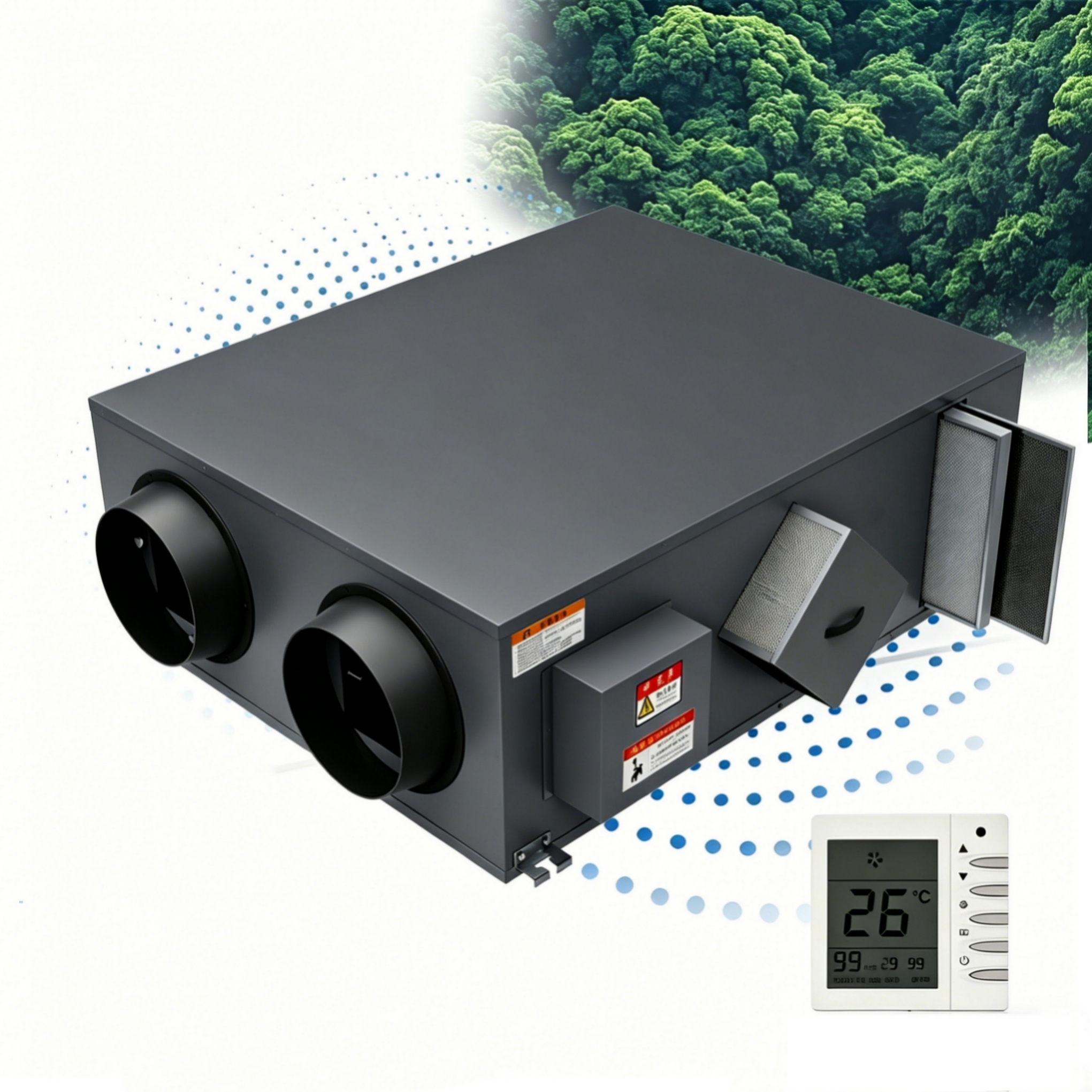
Before we explore the benefits, let’s break down the basics: MVHR stands for Mechanical Ventilation with Heat Recovery, an energy-efficient ventilation system designed to continuously supply fresh, filtered outdoor air while extracting stale indoor air—all while reclaiming the heat that would otherwise be lost to the outside. At its core, an MVHR system uses a heat exchanger to transfer heat from the outgoing stale air to the incoming fresh air, ensuring that the air entering your home is pre-warmed (in winter) or pre-cooled (in summer) without mixing the two air streams[superscript:3]. This process is powered by two quiet fans—one for supply air and one for extract air—and a network of ducts that distributes fresh air to living spaces and removes stale air from high-moisture areas like kitchens and bathrooms.
Unlike traditional ventilation, MVHR operates continuously, maintaining consistent airflow without the need for manual intervention. It’s particularly well-suited for airtight homes, where natural ventilation is limited, and helps balance the trade-off between energy efficiency and indoor air quality—a challenge that has plagued modern building design for decades.
One of the most compelling benefits of MVHR is its ability to reduce energy consumption and cut heating costs. In typical homes, a large portion of heat is lost through ventilation—when you open a window to let in fresh air, you’re essentially letting expensive heated air escape. MVHR systems solve this by recovering 60–95% of the heat from the outgoing stale air and using it to pre-warm the incoming fresh air, reducing the load on your heating system [superscript:2][superscript:7].
For homeowners, this translates to tangible savings: studies show that MVHR can reduce space heating costs by 20–30% in residential settings, with some installations cutting energy bills by up to 50% [superscript:5][superscript:10]. Over time, these savings can offset the initial installation cost, with typical payback periods ranging from 5–8 years [superscript:10]. For those concerned about fuel poverty or rising energy costs, MVHR offers a long-term, sustainable solution to keep homes warm without overspending.
Indoor air quality is a critical factor in overall health, yet many homes suffer from poor ventilation that traps pollutants, moisture, and allergens. Stale indoor air can contain volatile organic compounds (VOCs) from cleaning products, dust mites, mould spores, and even carbon dioxide (CO₂) from human activity—all of which can trigger respiratory issues, allergies, and fatigue [superscript:6][superscript:9].
MVHR systems combat this by continuously supplying fresh, filtered outdoor air while extracting stale, polluted air. The filters in MVHR units remove airborne particles like pollen, dust, and pollutants, ensuring that the air you breathe is clean and healthy [superscript:1][superscript:10]. A study by the University of Strathclyde found that MVHR significantly improved evening lung function (a 24.5 L/min increase) and halved asthma-related hospitalisations, highlighting its positive impact on respiratory health [superscript:6]. Additionally, by controlling humidity levels (typically maintaining 40–50% relative humidity), MVHR prevents mould growth and condensation—common issues in airtight homes that can damage property and worsen health [superscript:3][superscript:7].
MVHR systems don’t just save energy and improve air quality—they also enhance overall comfort in your home. In winter, the pre-warmed incoming air eliminates cold draughts that are common with traditional ventilation, keeping rooms at a consistent temperature without hot or cold spots [superscript:5][superscript:7]. In summer, many MVHR systems include a summer bypass feature, which allows fresh outdoor air to bypass the heat exchanger when it’s cooler outside, providing passive cooling and reducing the need for air conditioning [superscript:5].
Unlike opening windows, which can introduce outdoor noise, pollen, or pollution, MVHR operates quietly (often at levels lower than a whisper) and maintains a steady airflow, ensuring your home feels fresh and comfortable year-round. This consistency is particularly valuable for families, elderly individuals, and anyone who values a peaceful, comfortable living environment [superscript:5][superscript:11].
As the world shifts toward greener living, reducing carbon emissions has become a priority for many homeowners. MVHR plays a key role in sustainable home design by cutting energy consumption and lowering greenhouse gas emissions. By recovering heat that would otherwise be wasted, MVHR reduces the need for fossil fuel-based heating, helping homeowners shrink their carbon footprint [superscript:1][superscript:10].
For example, a Victorian terrace in Manchester reduced its annual CO₂ emissions by 1.2 tonnes after retrofitting an MVHR system alongside insulation upgrades [superscript:10]. MVHR also aligns with modern building regulations and sustainability standards—such as the UK’s Part L (Conservation of Fuel and Power) and Future Homes Standard 2025—making it a must-have for new builds and retrofits aiming for energy efficiency certifications [superscript:10].
Despite their advanced technology, MVHR systems are surprisingly low-maintenance. The key task is replacing the filters every 6–12 months (costing £30–£60 on average), which ensures the system operates efficiently and maintains good air quality [superscript:10][superscript:11]. Most MVHR units are designed to last 15–20 years with proper maintenance, making them a long-term investment that adds value to your home [superscript:7][superscript:11].
Additionally, modern MVHR systems are compact and can be installed in utility rooms, lofts, or plant rooms, without taking up valuable living space. They also feature user-friendly controls, allowing you to adjust airflow rates or activate the summer bypass with ease [superscript:1][superscript:10].
MVHR is ideal for a wide range of homes, but it’s particularly beneficial for: new builds (which are often highly airtight), retrofits with insulation upgrades, homes in cold or temperate climates (where heat recovery delivers the most savings), and families with respiratory issues or allergies [superscript:7][superscript:10][superscript:11]. While MVHR is less effective in poorly insulated or extremely draughty homes, even moderately draughty properties can benefit from reduced carbon emissions compared to natural ventilation [superscript:11].
Mechanical Ventilation with Heat Recovery is more than just a ventilation system—it’s a smart investment in your home’s comfort, health, and sustainability. By combining energy savings, improved indoor air quality, year-round comfort, and reduced carbon emissions, MVHR addresses the key challenges of modern home design. Whether you’re building a new home or retrofitting an existing one, MVHR offers long-term benefits that make it a worthwhile addition.
As we continue to prioritize energy efficiency and healthy living, MVHR is set to become a standard feature in homes around the world. It’s not just about saving money on utility bills—it’s about creating a home that’s comfortable, healthy, and kind to the planet.
 18705226241


