


MVHR Filters: Why Regular Replacement Matters
A modern MVHR (Mechanical Ventilation with Heat Recovery) system is one of the most valuable upgrades for energy-efficient homes, passive houses, and low-carbon buildings. It delivers constant fresh indoor air, eliminates stuffiness, recycles waste heat, and slashes heating costs year-round. However, many homeowners and even new build property owners overlook one critical component that keeps the entire system functional: MVHR filters.
Most people only service their MVHR unit when it breaks down or makes strange noises. In reality, dirty, clogged, or expired filters are the leading cause of poor MVHR performance, poor indoor air quality, and unnecessary energy waste. In this blog, we’ll break down why regular MVHR filter replacement is non-negotiable, what happens if you skip it, and exactly how often you should swap your filters.
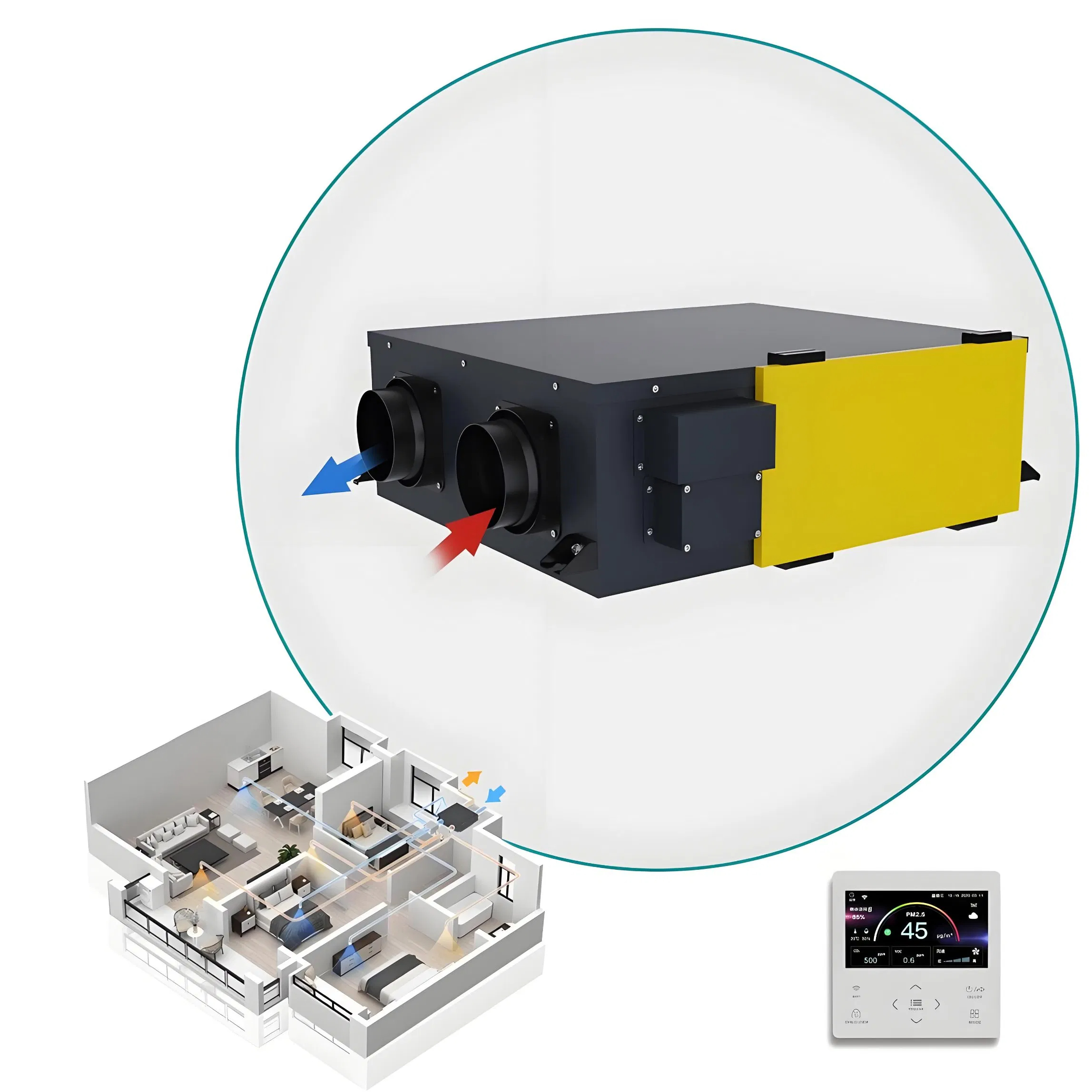
Before diving into maintenance, it’s essential to understand the core role of MVHR filters. Unlike basic window ventilation, MVHR systems pull fresh air from outside and expel stale, humid indoor air through a network of ductwork and a heat exchanger. Filters act as the first line of defence for both your home and your ventilation system.
Standard MVHR filter setups usually include two key filters:
Supply air filter (external air intake): Traps outdoor pollutants including dust, pollen, road grime, mould spores, and airborne debris before fresh air enters your living spaces.
Extract air filter (indoor air outflow): Catches household dust, pet hair, skin particles, and kitchen residue to protect the internal heat exchanger and ductwork.
Without clean filters, all these contaminants circulate freely through your home and build up inside your expensive MVHR system, triggering a chain of performance and health issues.
The biggest benefit of an MVHR system is its ability to deliver filtered, fresh air 24/7 without opening windows. But when filters become saturated with dust, pollen, and bacteria, they stop filtering effectively. Over time, dirty filters will re-release trapped pollutants back into your home’s airflow.
This leads to stuffy air, lingering odours, increased dust buildup on furniture, and aggravated allergies or asthma. For families, pet owners, and hay fever sufferers, regular filter replacement is the simplest way to maintain clean, breathable indoor air all year round.
MVHR systems rely on smooth, unobstructed airflow to transfer heat efficiently between incoming and outgoing air. Clogged filters restrict airflow dramatically, forcing the system’s fans to work harder to maintain normal ventilation levels.
The result? Higher electricity consumption and reduced heat recovery performance. Your home will feel colder in winter and more humid in summer, while your energy bills creep up month by month. Swapping filters regularly ensures your MVHR runs at its designed efficiency, keeping your home energy costs low and consistent.
Many avoidable MVHR faults stem from neglected filters. When unfiltered debris passes through the system, it builds up on the heat exchanger core, fan blades, and internal ductwork. This buildup causes permanent fouling, reduces system lifespan, and can lead to expensive mechanical failures.
Blocked airflow also creates excess pressure inside the unit, leading to noisy operation, rattling fans, and even system overheating. Replacing cheap filters every few months is far more cost-effective than repairing or replacing an entire MVHR unit, which can cost thousands of pounds.
MVHR systems are widely installed to combat condensation and mould in airtight modern homes. However, blocked filters weaken ventilation power, trapping moist, stale air inside rooms like bathrooms, kitchens, and bedrooms.
Persistent poor ventilation creates the perfect environment for mould growth, damp patches on walls, and window condensation. Regular filter changes ensure your MVHR can effectively extract moisture-laden air, keeping your home dry, healthy, and structurally sound.
Replacement intervals vary based on location, household conditions, and filter grade, but here are the industry-standard guidelines for UK and European homes:
Standard G3/G4 filters: Replace every 6 months (ideal for suburban, low-pollution areas)
Urban or roadside homes: Replace every 3–4 months due to higher traffic dust and pollution
Homes with pets, smokers, or nearby construction: Replace every 2–3 months
F7 high-performance pollen filters: Replace every 6 months, ideally before pollen season
A quick visual check is always recommended: if your filters look grey, dusty, or clogged, replace them immediately, regardless of the scheduled interval.
Washing reusable disposable filters: Most standard MVHR filters are disposable. Washing them damages the filter fibres, reduces filtration efficiency, and leads to airflow leakage.
Ignoring seasonal changes: Pollen in spring and autumn dust will block filters much faster, requiring more frequent checks.
Mismatched filter sizes: Using incorrect filter grades or sizes creates gaps, allowing unfiltered air to bypass the system entirely.
Long-term filter neglect: Leaving filters unchanged for over a year will cause irreversible system fouling and poor indoor air quality.
An MVHR system is a long-term investment in your home’s comfort, energy efficiency, and your family’s health. But without regular filter replacement, it cannot deliver the fresh air, heat savings, and anti-mould benefits it’s designed for.
Filter changes are fast, affordable, and DIY-friendly for most homeowners. By sticking to a simple replacement schedule, you’ll preserve peak MVHR performance, cut energy waste, eliminate stale air, and protect your home from damp and allergens. Never underestimate the power of clean MVHR filters — they are the tiny component that makes your entire ventilation system work.
 18705226241


