


MVHR, Damp and Mould: When Heat Recovery Actually Fixes the Problem
If you’re fighting a never-ending battle against condensation, peeling wallpaper, musty odours, and stubborn black mould spots around windows, ceilings, or cold wall corners, you’re not alone. Thousands of households waste money on quick-fix mould sprays, portable dehumidifiers that empty hourly, and extra heating bills every single winter — yet the damp always creeps back. The real root cause is rarely just “bad weather” or poor insulation. More often, it’s trapped stale air, excess indoor moisture with nowhere to escape, and unbalanced home ventilation. This is exactly where a well-installed, correctly commissioned MVHR (Mechanical Ventilation with Heat Recovery) system steps in. It doesn’t just mask damp symptoms — it targets the source, stabilises indoor air quality year-round, and permanently cuts mould growth triggers, even in tightly sealed modern homes.
Today’s new builds and renovated older properties are designed to be airtight and thermally efficient. Double-glazed windows, solid external wall insulation, sealed door frames, and draught-proofing measures slash heat loss and lower energy consumption — which is fantastic for cutting household bills and hitting eco-friendly living targets. But there’s a critical downside: natural ventilation is almost completely eliminated.
Every daily activity inside your home generates invisible water vapour. Cooking on hob tops, running hot showers and baths, drying laundry indoors on radiators, even breathing and gathering with family all release constant moisture into the air. Without steady, controlled airflow, this water vapour lingers, cools down on cold internal surfaces, and turns into condensation. Once indoor relative humidity sits above 60% for hours on end, mould spores germinate rapidly, spreading across surfaces, triggering allergies, irritating asthma, and weakening the structural fabric of your home over time.
Opening windows to fix the issue only creates more problems. It lets precious heated air escape, sends energy bills soaring, creates chilly draughts in living spaces, and fails to deliver consistent, balanced ventilation across every room — especially hard-to-reach areas like bathrooms, kitchens, and utility rooms where damp accumulates fastest.
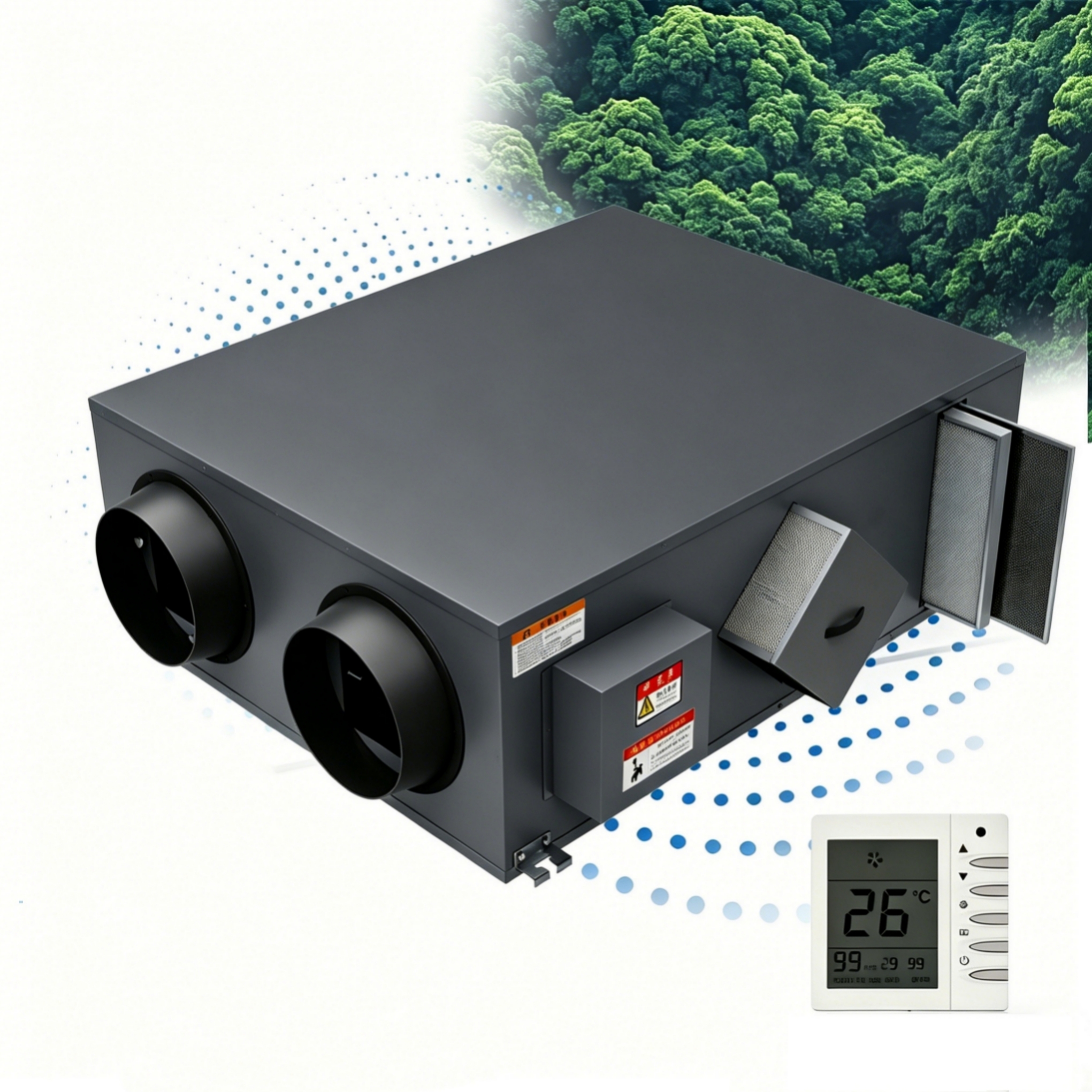
MVHR stands for Mechanical Ventilation with Heat Recovery, a whole-house central ventilation system fitted discreetly in loft spaces, ceiling voids, or cupboard enclosures. Connected to a network of quiet, slim ductwork running to every main room, it operates automatically 24 hours a day with zero manual input required.
Here’s the simple, straightforward process that makes it so effective:
First, stale, moisture-laden air is continuously extracted from high-moisture zones: bathrooms, kitchens, utility rooms, and downstairs toilets. This damp, polluted air is pulled back to the central MVHR unit. Simultaneously, fresh, filtered outdoor air is drawn into the system and distributed evenly into clean living areas: bedrooms, lounges, dining rooms, and home offices.
The game-changing feature lies in the high-efficiency heat exchanger core inside the unit. As warm, stale indoor air passes out and cool, fresh outdoor air passes in, up to 90% of the valuable indoor heat is recovered and transferred to the incoming fresh air stream. This means you get constant fresh air flowing through your home without losing heat, without cold draughts, and without cranking up the central heating to compensate.
Unlike temporary fixes that only tackle surface mould, MVHR addresses every condition mould needs to grow, creating an inhospitable environment for spores long-term.
Mould only thrives in persistent high humidity. MVHR continuously flushes out excess water vapour before it can settle on walls, windows, or furniture. It keeps indoor relative humidity locked in the ideal healthy range — between 40% and 60% — in every season, whether it’s a freezing winter or a humid transitional spring. No more overnight condensation on bedroom windows, no more damp patches behind wardrobes, and no more hidden mould growing in unventilated corners.
Poor ventilation solutions like trickle vents or cracked windows cause uneven airflow. Some rooms get freezing draughts, others stay stuffy and damp. MVHR delivers consistent, low-volume, whole-home air changes evenly across every space. The pre-warmed incoming air ensures surfaces stay warmer, reducing the temperature difference that causes condensation to form in the first place.
Quality MVHR units come fitted with high-grade pollen and particulate filters that capture mould spores, dust mites, outdoor pollen, and traffic pollutants before fresh air enters your living spaces. This doesn’t just stop new mould from spreading — it drastically improves indoor air quality for anyone with asthma, hay fever, or recurring respiratory allergies.
Portable dehumidifiers only work in one single room, are loud enough to disrupt sleep, need constant emptying, and rack up extra electricity costs month after month. MVHR is a silent, permanent, whole-home solution that runs efficiently in the background, slashing your need for dehumidifiers entirely while lowering overall heating energy waste.
You might be wondering: why not just install a basic mechanical ventilation system without heat recovery? The answer is simple and cost-driven. Ventilation without heat recovery blows cold outdoor air straight into your home. Your heating system has to work overtime to rewarm every room, leading to sky-high energy bills, cold spots, and uncomfortable living conditions — especially during harsh winter months.
Heat recovery is what makes damp fixing sustainable and affordable. By recycling existing indoor heat, MVHR keeps your home warm, evenly tempered, and comfortably fresh. Warm, circulating air holds less excess moisture, prevents surface cooling, and stops condensation from forming naturally. Homes with consistent, even temperatures stay drier, healthier, and far less likely to suffer recurring mould outbreaks.
MVHR works brilliantly for damp and mould — but only if installed and set up correctly. These are the most frequent errors that leave homeowners disappointed with results:
Poor ductwork design and uneven room airflow: If extract vents are placed too far from moisture sources like shower enclosures or cookers, damp lingers unchecked. Always work with a certified ventilation engineer to map duct routes for optimal moisture extraction.
Forgetting routine filter changes: Clogged, dirty filters restrict airflow, reduce heat exchange efficiency, and let spores circulate freely. A quick filter swap every six to twelve months keeps performance at full capacity.
Oversizing or undersizing the unit for your home square footage: An ill-fitted MVHR system can’t deliver enough air changes to clear damp effectively. Always complete a full home ventilation assessment before choosing a unit model.
Switching the system off overnight: Mould grows 24/7. Turning off MVHR disrupts consistent humidity control, letting damp build up while you sleep.
Mould and damp are not inevitable household nuisances you have to put up with every winter. They are clear warning signs that your home lacks controlled, heat-efficient ventilation. While mould cleaners, dehumidifiers, and extra heating only offer temporary relief, MVHR fixes the problem permanently by balancing airflow, stabilising humidity, and recycling heat intelligently.
If you’re tired of scrubbing mould off walls, waking up to condensation on windows, and paying over the odds for heating that never quite warms your home evenly, it’s time to explore MVHR properly. It’s a long-term, energy-saving, health-boosting upgrade that turns a cold, damp, stuffy house into a fresh, warm, healthy home all year round.
 18705226241


