


MVHR: An Expert Guide to This Essential Ventilation System
If you’ve ever struggled with condensation on windows, battled black mould in your bathroom, or felt sluggish from stuffy indoor air—especially in a modern, well-insulated home—you’re not alone. Today’s airtight properties, designed to cut energy waste, often trap moisture, pollutants, and stale air, creating a hidden risk to both your health and your home’s structure. The solution? Mechanical Ventilation with Heat Recovery (MVHR): a smart, energy-efficient system that keeps your home breathing fresh air without sacrificing the warmth you’ve paid for. In this expert guide, we’ll break down everything you need to know about MVHR—how it works, its unbeatable benefits, key components, and whether it’s right for your space.
MVHR stands for Mechanical Ventilation with Heat Recovery, a whole-home ventilation system designed to solve the paradox of modern airtight living: how to keep a home well-insulated and airtight while ensuring it gets enough fresh air. Unlike traditional trickle vents or standalone extract fans that merely tick compliance boxes, MVHR operates continuously to extract stale, moist air from your home while supplying filtered, fresh outdoor air—all while recovering up to 95% of the heat from the outgoing air. Think of it as your home’s lungs: it works around the clock to maintain a healthy, comfortable environment without wasting energy.
At its core, MVHR is more than just a ventilation unit—it’s a complete system that balances indoor air quality (IAQ) with energy efficiency, making it a must-have for new builds, energy-efficient renovations, and anyone looking to improve their home’s health and sustainability.
MVHR operates on a simple yet brilliant principle: it reuses the heat from the air you’re expelling to warm the fresh air coming in, eliminating the energy waste associated with opening windows or using inefficient ventilation. Here’s a detailed breakdown of its four key steps:
The system uses one fan to draw stale, moist air from “wet” rooms—areas where moisture and pollutants are most common, such as kitchens, bathrooms, and utility rooms. This air contains excess humidity (from cooking, showering, or drying clothes), carbon dioxide (CO₂), VOCs (from paint, cleaning products, or furniture), and allergens like pollen and dust.
Before the stale air is expelled outside, it passes through a heat exchanger—a core component of the MVHR unit. The heat exchanger captures the warmth from the outgoing air and transfers it to the incoming fresh air, without the two air streams ever mixing. Most modern MVHR units recover 70–95% of this heat, meaning a home kept at 21°C can maintain its warmth without relying heavily on your heating system.
At the same time, a second fan draws in fresh outdoor air, which passes through filters to remove pollutants, dust, pollen, and even PM2.5 particles. This ensures the air supplied to your home is clean and healthy—great news for allergy sufferers, asthma patients, and anyone concerned about indoor air quality.
The pre-warmed, filtered fresh air is then distributed via a network of ducts to “dry” living spaces, such as bedrooms, living rooms, and home offices. This creates a continuous cycle of fresh, comfortable air, keeping your home dry, odour-free, and energy-efficient year-round. Many systems also include a summer bypass mode, which turns off heat recovery in hot weather to avoid overheating indoor spaces.
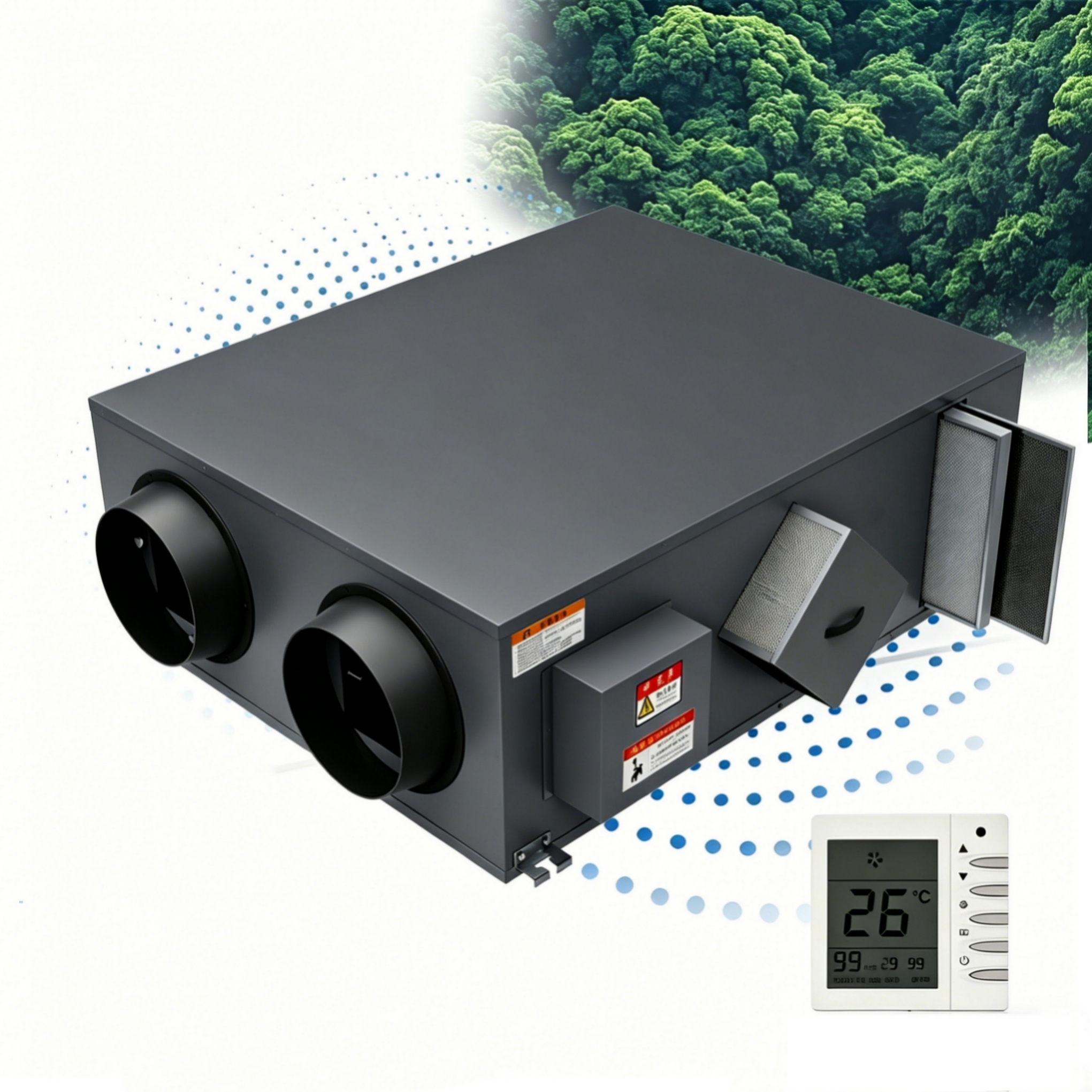
To understand MVHR fully, it’s important to know its core components—each plays a critical role in its performance:
Heat Exchanger: The heart of the system, responsible for transferring heat from outgoing to incoming air. Counter-flow heat exchangers are the most efficient, recovering up to 95% of heat.
Dual Fans: One fan extracts stale air; the other supplies fresh air. These fans run continuously at a low, quiet speed (trickle mode) and can be boosted manually or automatically (via humidity sensors) during high-moisture activities like cooking or showering.
Ductwork: A network of rigid or flexible ducts that distributes fresh air to living spaces and collects stale air from wet rooms. Rigid ducts are preferred for their quiet operation and higher efficiency.
Filters: Primary and sometimes HEPA filters that remove dust, pollen, VOCs, and other pollutants from incoming air. Regular filter replacement is key to maintaining system performance.
Control System: Allows you to adjust airflow speeds, monitor humidity levels, and activate boost mode. Many modern systems integrate with smart home technology for easy control.
MVHR isn’t just a ventilation system—it’s an investment in your home’s health, comfort, and long-term value. Here are its most significant benefits, backed by experts:
By continuously replacing stale air with filtered fresh air, MVHR eliminates trapped moisture, CO₂, VOCs, and allergens. This reduces the risk of mould, condensation, and “sick building syndrome”—a condition linked to poor ventilation that causes headaches, fatigue, and respiratory issues. A recent report by Professor Hazim Awbi at the University of Reading highlighted MVHR as the most cost-effective solution for achieving healthy indoor air quality in modern homes.
By recovering up to 95% of the heat from outgoing air, MVHR reduces the demand on your heating system. Typical UK homes with MVHR report 10–30% lower space heating costs, saving around £300 per year. This not only cuts your energy bills but also reduces your carbon footprint, making it a sustainable choice for eco-conscious homeowners.
A family of four can produce up to 24 pints of moisture per day from daily activities like cooking, showering, and breathing. Without proper ventilation, this moisture traps in airtight homes, leading to condensation, mould, and damage to walls, furniture, and decor. MVHR removes excess moisture continuously, keeping your home dry and protecting its structure.
Unlike noisy extract fans, MVHR units run at a low speed (around 20–30dB)—quieter than a whisper. The unit is typically installed in a loft, utility room, or cupboard, and ducts are hidden in walls or ceilings, so it doesn’t disrupt your home’s aesthetics or daily life.
Modern UK homes must comply with Building Regulations Part L (energy conservation) and Part F (ventilation). MVHR is the most effective way to meet these requirements, especially for airtight new builds and Passivhaus properties. It also improves a home’s SAP rating, boosting its energy efficiency credentials and resale value.
MVHR is ideal for most modern homes, but it’s particularly beneficial for:
New Builds: Airtight new homes rely on MVHR to provide adequate ventilation without energy waste. It’s often a requirement for Passivhaus and low-energy builds.
Renovated Homes: If you’ve upgraded your home with double glazing, cavity wall insulation, or draught-proofing, you’ve made it more airtight—MVHR ensures it still gets fresh air.
Allergy Sufferers: The filtration system removes pollen, dust, and other allergens, creating a healthier living environment.
Eco-Conscious Homeowners: MVHR reduces energy use and carbon emissions, aligning with sustainable living goals.
Homes with Condensation/Mould Issues: If you’re tired of wiping condensation off windows or dealing with mould, MVHR is a long-term solution.
To get the most out of your MVHR system, follow these expert recommendations:
While experienced DIYers may tackle some aspects, MVHR installation requires careful design, duct routing, and commissioning. It’s best to hire a ventilation specialist who can calculate the right unit size for your home, plan duct routes (keeping them short and straight for efficiency), and ensure the system is balanced. The unit should be installed in a accessible space (like a loft or utility room) within your home’s thermal envelope to reduce heat loss.
MVHR systems are low-maintenance, but regular upkeep ensures optimal performance:
Replace Filters: Primary filters should be replaced every 6–12 months; HEPA filters every 1–2 years. Clogged filters reduce efficiency and indoor air quality.
Clean Ducts: Have ducts professionally cleaned every 2–3 years to remove dust and debris buildup.
Check Fans & Heat Exchanger: A yearly service by a professional will ensure fans are working efficiently and the heat exchanger is clean.
Don’t Turn It Off: MVHR is designed to run 24/7. Turning it off can lead to moisture buildup, condensation, and mould. The low-energy motors mean running costs are minimal—around £41 per year, less than a washing machine or fridge freezer.
There are a few misconceptions about MVHR—let’s set the record straight:
False. MVHR units use low-energy fans, with annual running costs as low as £41. The energy savings from reduced heating bills far outweigh this cost.
False. The heat exchanger pre-warms incoming air, so you won’t feel a draft. In fact, MVHR helps maintain a consistent temperature throughout your home.
False. Opening windows wastes heat (especially in winter) and doesn’t provide consistent ventilation. MVHR supplies filtered air 24/7 without energy waste, making it far more efficient than natural ventilation in airtight homes.
For modern, airtight homes, MVHR isn’t a luxury—it’s a necessity. It improves indoor air quality, reduces energy bills, prevents mould and condensation, and meets building regulations. While the initial installation cost may seem significant, the long-term savings, health benefits, and increased home value make it a wise investment.
Whether you’re building a new home, renovating an existing one, or simply looking to improve your family’s health and comfort, MVHR is the gold standard in ventilation. By choosing the right system and working with a professional, you’ll create a home that’s fresh, efficient, and healthy for years to come.
 18705226241


