


As temperatures rise and we spend more time indoors, two priorities become non-negotiable: keeping our homes cool and ensuring the air we breathe is clean. For many homeowners, these two goals feel like separate battles—cooling often relies on energy-hungry AC units, while improving air quality might involve bulky filters or complicated systems. The good news? You don’t have to choose between a cool home and healthy air. With the right strategies, you can achieve both, creating a space that’s comfortable, refreshing, and supportive of your family’s well-being—all without breaking the bank or sacrificing convenience.
Indoor air quality (IAQ) is more important than we often realize: the EPA estimates that indoor air can be 2–5 times more polluted than outdoor air, even in urban areas. Common pollutants like dust mites, pet dander, mold spores, and volatile organic compounds (VOCs) from cleaning products or furniture can trigger allergies, worsen respiratory issues, and leave you feeling fatigued. When combined with stuffy, overheated air, these pollutants become even more problematic—warm air traps contaminants, making them easier to inhale and harder to eliminate. By addressing both cooling and air quality together, you’re not just creating a more comfortable home; you’re investing in your long-term health.
Before diving into the tips, let’s break down why these two goals are so interconnected. When your home is too warm, you’re more likely to keep windows closed, reducing natural airflow and trapping pollutants inside. Conversely, poor air quality can make a cool home feel uncomfortable—stale, stuffy air even at a lower temperature can leave you feeling sluggish or irritable. Additionally, many cooling methods (like traditional AC) can actually worsen IAQ if not maintained properly: dirty filters circulate dust and mold, while poorly ventilated AC units trap moisture, creating a breeding ground for allergens.
The solution? A balanced approach that cools your home efficiently while promoting fresh, clean air. Below are our top, science-backed tips to help you achieve both—no fancy equipment required (though we’ll share some simple upgrades if you’re ready to take things to the next level).
Natural airflow is nature’s way of cooling your home and refreshing indoor air—and it’s completely free. The key is to use it strategically, especially during cooler parts of the day. Open windows on opposite sides of your home to create a cross-breeze: this pulls in cool outdoor air and pushes out warm, stale air, along with trapped pollutants. For best results, open windows early in the morning or late in the evening when outdoor temperatures are lowest, and close them during the heat of the day to keep cool air inside.
Pro tip: Use window screens to keep out pollen, dust, and bugs while still letting fresh air flow. If you live in a polluted area, check local air quality indexes (AQI) before opening windows—on high-pollution days, stick to indoor ventilation methods instead.
Windows are one of the biggest sources of heat gain in a home—sunlight streaming through uncovered windows can raise indoor temperatures by 10–20 degrees. By choosing the right window coverings, you can block excess heat while still allowing natural light (and fresh air, when windows are open).
Opt for light-colored, reflective curtains or blinds: these reflect sunlight away from your home, keeping interiors cooler. For even better results, install cellular shades or blackout curtains—they not only block heat but also help trap cool air inside. If you love natural light, consider window films: these are transparent, so they don’t darken your space, but they block UV rays and reduce heat gain by up to 70%. Bonus: Many window coverings also trap dust and pollen, helping to improve IAQ by preventing these pollutants from circulating.
Houseplants are a win-win: they add a touch of greenery to your home, naturally purify indoor air, and even help cool the space. Plants absorb carbon dioxide and release oxygen, while their leaves trap dust and absorb VOCs (like formaldehyde from furniture or benzene from cleaning products). Some of the best air-purifying plants include snake plants, spider plants, pothos, and peace lilies—they’re low-maintenance, thrive indoors, and work hard to keep your air clean.
Plants also help cool your home through transpiration: as they release moisture into the air, it creates a natural cooling effect, similar to how sweating cools your body. Place a few plants near windows or in frequently used rooms (like the living room or bedroom) to maximize their cooling and air-purifying benefits.
If you use an air conditioner or fans to cool your home, proper maintenance is key to ensuring they don’t harm indoor air quality. For AC units: change the filter every 1–3 months (more often if you have pets or allergies). A dirty filter circulates dust, mold, and allergens, making IAQ worse and forcing your AC to work harder (which increases energy bills). Additionally, clean the AC coils annually to prevent mold growth—moisture trapped in coils is a breeding ground for mold spores, which can be released into your home.
For fans: Regularly dust ceiling fans and box fans—dust buildup on blades will circulate pollutants when the fan is on. Use ceiling fans in reverse during the summer (counterclockwise) to push cool air down, making your home feel 4–6 degrees cooler without lowering the thermostat. This reduces AC usage, saving energy while keeping air moving (which prevents stagnation and pollutant buildup).
Cooling your home won’t matter much if the air inside is filled with pollutants. The best way to improve IAQ is to reduce or eliminate pollutants at their source. Here are simple steps to do that:
Use natural, non-toxic cleaning products: Many conventional cleaning products contain VOCs that pollute indoor air. Opt for plant-based cleaners, or make your own with vinegar, baking soda, and lemon.
Keep your home clean: Vacuum regularly with a HEPA filter (which traps small particles like dust mites and pet dander), and dust with a damp cloth to prevent dust from becoming airborne.
Control humidity: High humidity (above 60%) encourages mold growth and dust mite infestations. Use a dehumidifier in damp areas (like basements or bathrooms) to keep humidity levels between 30–50%. This not only improves IAQ but also makes your home feel cooler—humid air feels warmer than dry air.
Avoid smoking indoors: Cigarette smoke is one of the most harmful indoor pollutants, containing hundreds of toxic chemicals. If you smoke, do so outdoors to protect your family’s health.
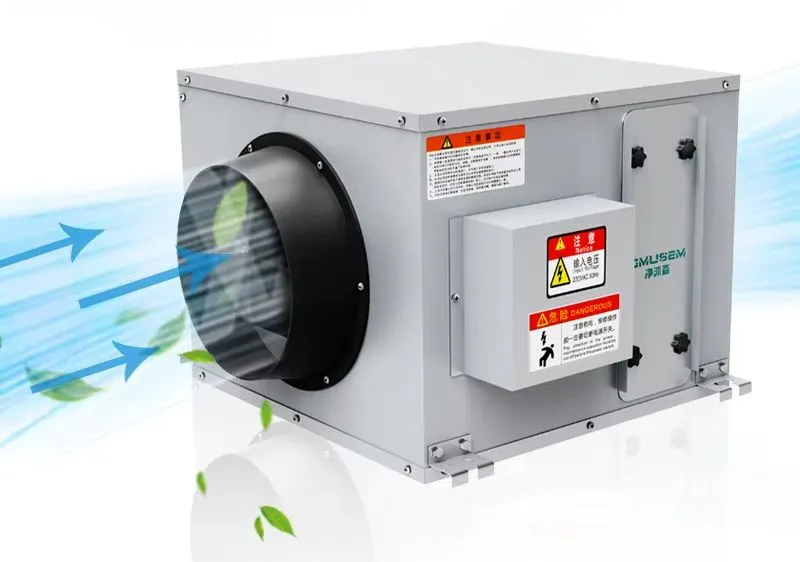
If you’re ready to invest in upgrades, there are several cooling systems that also improve indoor air quality. Whole-house fans are a great alternative to AC: they pull in cool outdoor air and exhaust warm, stale air, improving airflow and reducing the need for AC. Many modern whole-house fans also come with HEPA filters, trapping pollutants as air circulates.
Another option is an air purifier with a cooling function: these devices filter indoor air (removing dust, mold, and allergens) while blowing cool air, combining two benefits in one. Look for purifiers with HEPA filters and activated carbon filters (which absorb VOCs) for the best results. For bathrooms or kitchens (areas prone to humidity and odors), install exhaust fans—they remove moist, polluted air, preventing mold growth and keeping the space cool.
Keeping your home cool and improving indoor air quality doesn’t have to be complicated or expensive. By combining natural ventilation, smart window coverings, houseplants, regular maintenance, and small lifestyle changes, you can create a space that’s comfortable, refreshing, and healthy for your entire family. Remember: these two goals work together—cooler air is cleaner air, and cleaner air makes a cool home feel even more inviting.
Whether you’re looking to beat the summer heat or simply want to breathe easier year-round, these tips will help you achieve a home that’s both cool and healthy. Start small (try opening windows strategically or adding a few houseplants) and build from there—your body and your home will thank you.
 18705226241


