


Is Retrofit MVHR a Good Idea? Honest Pros, Cons & Cost Guide
If you own an older, existing home, you’ve likely faced the age-old ventilation dilemma: open windows for fresh air and lose costly heat, or keep windows closed and suffer from stale air, condensation, and mould. Many homeowners considering energy efficiency upgrades ask: is retrofit MVHR worth installing in an existing house?
Mechanical Ventilation with Heat Recovery (MVHR) is standard in modern airtight new builds, but retrofitting the system into older properties is far less straightforward. Retrofit MVHR delivers clear health and energy benefits, yet it comes with higher costs, installation challenges, and specific property requirements. In this honest guide, we break down the key pros and cons, real-world retrofit costs, ideal property types, and whether the upgrade delivers genuine long-term value for UK homeowners.
Retrofit MVHR is the process of installing a heat recovery ventilation system into an already built and occupied home, rather than fitting it during the initial construction phase. Unlike new-build MVHR, where ductwork and unit placement are planned from the start, retrofit installations require adapting the system to existing wall, ceiling, and floor layouts.
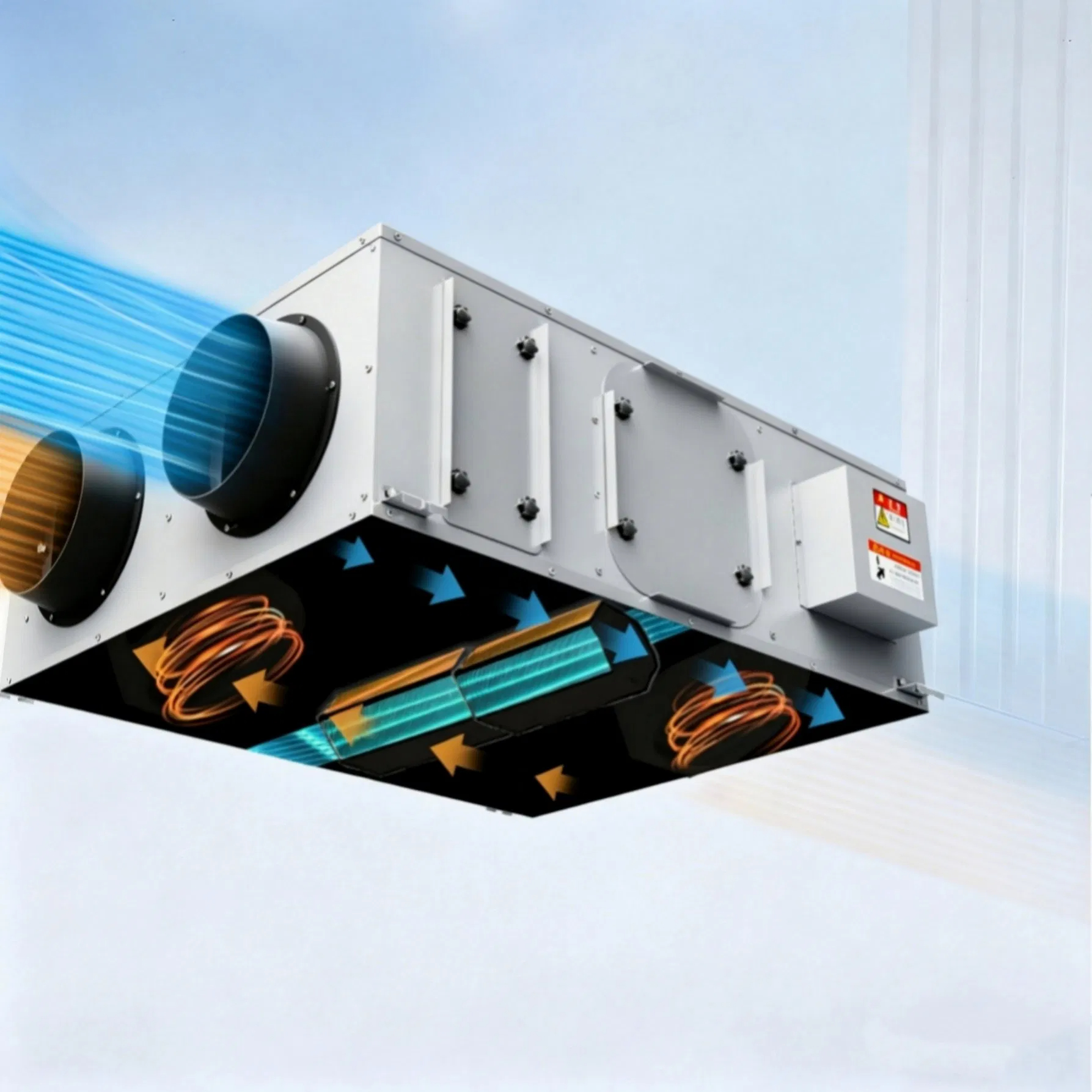
Modern retrofit solutions include traditional ducted systems and space-saving ductless MVHR units, designed to minimise structural disruption for renovation projects. Regardless of the system type, retrofit MVHR continuously exchanges stale indoor air for filtered fresh outdoor air while recovering up to 70–75% of waste heat to warm incoming air.
For the right property, retrofit MVHR transforms indoor comfort, air quality, and energy efficiency, solving many common pain points of older UK homes.
Older homes frequently struggle with poor passive ventilation, leading to trapped moisture, window condensation, and persistent mould growth on walls, ceilings, and window frames. Retrofit MVHR provides consistent, balanced whole-home ventilation, removing excess humidity 24/7 without relying on open windows. This drastically reduces damp-related issues and protects your property’s structural integrity long-term.
Traditional ventilation methods let in unfiltered outdoor pollutants, pollen, and dust while failing to remove indoor allergens, pet dander, and volatile organic compounds (VOCs). Retrofit MVHR uses graded filters to purify incoming fresh air and extract stale, contaminated indoor air continuously. This creates a healthier living environment, reducing allergy and asthma triggers year-round.
Opening windows for ventilation during cold British winters is one of the biggest causes of unnecessary heat loss. According to Energy Saving Trust data, traditional natural ventilation can cost homeowners over £220 annually in wasted heat energy. Retrofit MVHR recovers most of your home’s waste heat, eliminating draughty window ventilation and slashing ongoing heating losses. Once installed, annual running costs are typically just £45–£60, delivering consistent net savings over time.
Bathroom and kitchen extract fans are noisy, inefficient, and only work when manually switched on. Retrofit MVHR operates silently in the background, delivering constant, gentle ventilation in all weather conditions. It works through cold winters, rainy seasons, and stuffy summer months, maintaining balanced indoor air without external noise or temperature fluctuations.
As UK energy efficiency building regulations grow stricter, retrofitting MVHR upgrades your home’s eco-performance. It complements insulation upgrades, double glazing, and low-carbon heating systems like heat pumps, creating a fully optimised energy-efficient home that meets modern sustainability standards and boosts property value.
Retrofit MVHR is not a one-size-fits-all solution. It has clear limitations that every homeowner must consider before investing, especially when compared to new-build installations.
This is the biggest barrier to retrofit MVHR. While new-build MVHR costs £3,500–£6,500 for a standard three-bed home, retrofitting ranges from £5,500 to £9,500 for basic installations, and can rise to £12,000 for complex layouts, larger homes, or flats with restricted access. Difficult duct routing, ceiling modifications, and labour-intensive installation drive up costs significantly compared to pre-planned new-build systems.
Fitting ducted MVHR into an existing home requires routing ductwork through ceilings, walls, or floor voids. This can involve minor chasing, boxing in pipework, or lowering sections of ceiling, creating temporary mess and renovation disruption. For homes with solid walls, no roof voids, or compact layouts, installations are more complex and invasive. Ductless MVHR units reduce this disruption but offer slightly lower heat recovery efficiency.
MVHR systems rely on decent airtightness to work effectively. Pre-1990 homes with high air permeability (8–10 m³/h/m² @ 50Pa) have constant uncontrolled cold air infiltration. In these draughty properties, MVHR struggles to balance airflow and deliver maximum efficiency, as it is constantly working against natural heat loss. Experts recommend improving airtightness first for optimal results.
Unlike passive ventilation, MVHR requires regular upkeep to perform well. Homeowners must replace filters every 6–12 months and complete annual professional servicing to prevent blockages, noise issues, and efficiency drops. Neglected retrofit units quickly lose performance, negating energy-saving benefits.
Retrofit MVHR delivers the best return on investment for these specific home scenarios:
Deep renovation projects: If you’re already completing major refurbishments, ceiling or wall works, the incremental cost of adding MVHR is far lower, with minimal extra disruption.
Homes with persistent condensation and mould: Properties that constantly suffer from damp windows, black mould, and musty odours will see immediate, long-lasting improvements.
Well-insulated, reasonably airtight older homes: Homes with upgraded insulation and double glazing benefit most, as sealed envelopes trap moisture and stale air without proper mechanical ventilation.
Allergy and asthma sufferers: The continuous filtered air exchange drastically reduces indoor allergens for healthier living.
Homes with low-carbon heating: MVHR pairs perfectly with air and ground source heat pumps, maximising overall home energy efficiency.
Avoid investing in retrofit MVHR if your property falls into these categories:
Very draughty, uninsulated older homes: Unsealed windows, doors, and walls create constant air leakage, rendering MVHR far less effective and extending payback times.
Short-term rental properties: The high upfront cost makes little financial sense for homeowners planning to move within 3–5 years.
Tiny homes with no duct space: Properties with zero ceiling or wall voids require invasive modifications that rarely justify the final cost.
Traditional window ventilation and standalone extract fans are cheap upfront but costly long-term. They waste heat, fail to filter pollutants, and cannot provide consistent whole-home air quality. Retrofit MVHR has higher initial costs but delivers year-round heat retention, filtered fresh air, mould prevention, and lower long-term energy bills, making it the superior solution for renovated energy-efficient homes.
Yes — retrofit MVHR is absolutely worth it for most homeowners undertaking medium-to-large home renovations, especially if you struggle with condensation, mould, poor air quality, or high winter heating bills.
While the upfront cost and installation disruption are undeniable drawbacks, the long-term benefits far outweigh the initial investment. A properly installed and maintained retrofit MVHR system improves indoor health, eliminates persistent damp issues, cuts ongoing heat waste, and future-proofs your home for stricter energy regulations.
If your home is well-insulated, relatively airtight, and you plan to live there long-term, retrofit MVHR is one of the most impactful upgrades you can make. For extremely draughty properties, fix airtightness and fabric insulation first, then add MVHR to unlock maximum efficiency.
 18705226241


