


Heat recovery ventilation, often shortened to HRV, has grown into a favourite among homeowners building energy-efficient, airtight homes. It promises fresh filtered air, lower heating bills and better humidity control without the cold drafts that come with opening windows. But the big question many buyers ask before reaching out to an HVAC supplier is simple: is heat recovery ventilation suitable for every home? The short answer is no — HRV brings impressive benefits, yet it works best under certain conditions, and some households may find alternative ventilation options a better fit.
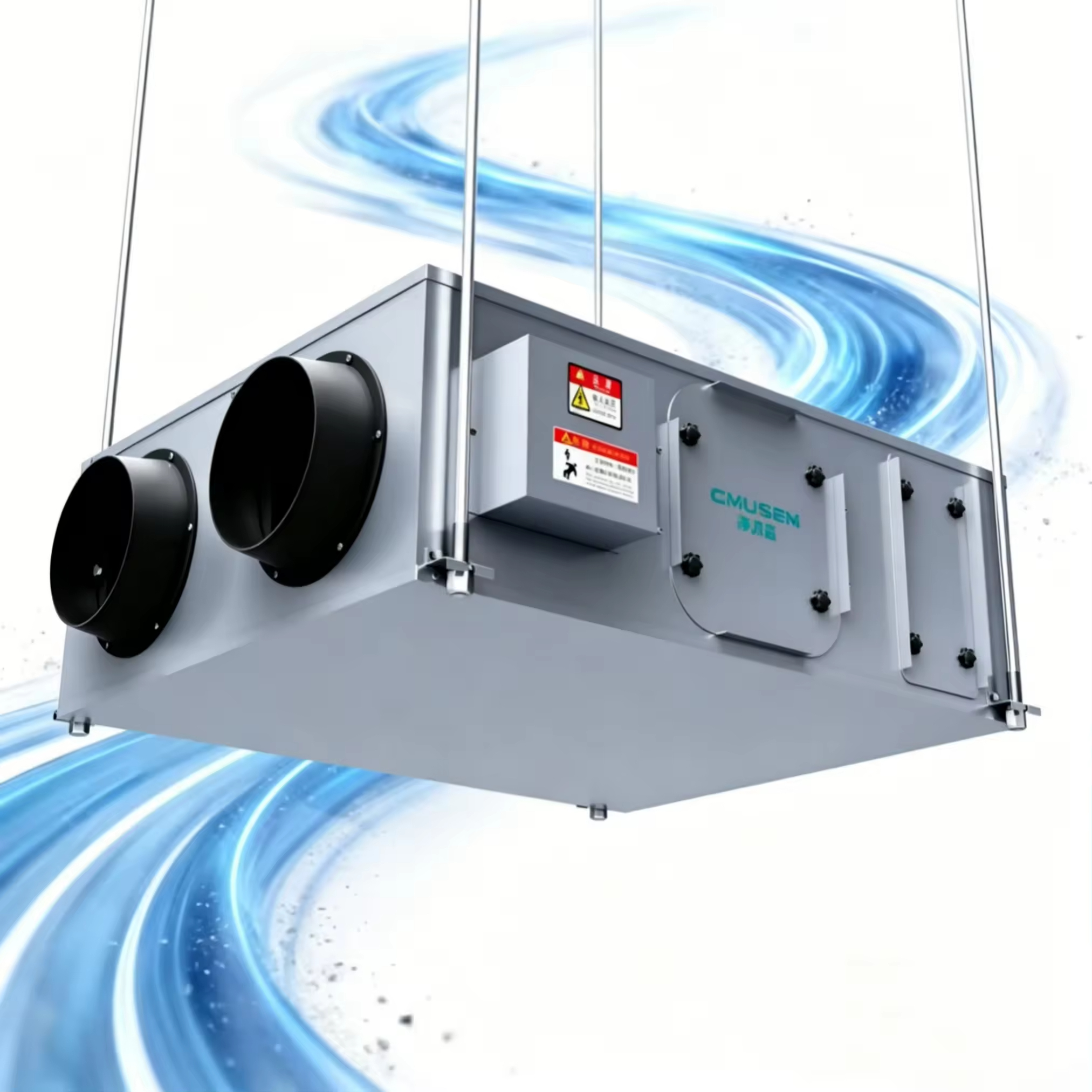
To understand where HRV shines, we first need to recall how it operates. A heat recovery ventilation system pulls stale, moist air out of bathrooms, kitchens and utility rooms, while drawing fresh outdoor air into bedrooms and living areas. As these two air streams pass through the heat exchanger, heat transfers from the outgoing air to the incoming supply. In cold weather, this preheats fresh air; in milder seasons, it reduces temperature swings. This design makes it particularly well matched for tightly sealed, well-insulated homes, including passive houses and new builds built to modern energy codes. These properties have minimal natural air leakage, so without mechanical ventilation, moisture, CO₂ and volatile organic compounds quickly build up indoors.
If you live in an older, naturally draughty home, HRV may not deliver the same return on investment. Older houses often have plenty of uncontrolled air exchange through gaps around windows, doors, floorboards and chimney openings. While that uncontrolled airflow is inconsistent and hard to manage, it already moves fresh air inside. Fitting an HRV here can still improve air quality if the home has been heavily renovated and sealed, but if the building remains leaky, much of the energy-saving advantage disappears. You may still pay for installation and regular filter changes while seeing only small reductions in your utility costs.
Climate is another critical factor. HRV excels in regions with long, cold winters, where retaining indoor heat is a priority. If you live in a hot and humid climate, an ERV, or energy recovery ventilator, is usually the better pick instead. Unlike a standard HRV, an ERV also transfers moisture, helping prevent excess humidity from flooding indoors in summer. A basic HRV in consistently hot, damp locations may pull warm, moist air inside and push up indoor humidity, leading to discomfort and even condensation issues if not set up correctly. For areas with very mild year-round weather, simple trickle vents or intermittent extract fans can often meet ventilation needs at a much lower cost.
Home layout and occupancy also make a difference. HRV works best when there is space for ductwork, an indoor unit, and easy access for filter servicing. Open-plan homes with enough ceiling or loft space are ideal. Conversely, tiny apartments with no room for ducts, listed buildings with strict alteration rules, or homes with very few residents may not justify the full system. If you only need occasional ventilation, a single-room heat recovery unit can be a flexible middle ground. These compact wall or ceiling-mounted models deliver many of the same benefits without extensive duct installation.
There are also cases where HRV is highly recommended. Families with asthma or allergy sufferers benefit from continuously filtered air. Homes prone to condensation, black mould or window fogging often see dramatic improvements once balanced ventilation is running. Anyone aiming for green building certification or wanting to cut long-term carbon emissions will also find it a worthwhile upgrade. Still, it is not a “set it and forget it” appliance. Filters need replacing, the heat exchanger requires cleaning, and the system must be balanced by a professional after installation. Poorly sized or badly maintained HRV can create noise, uneven airflow and unexpected moisture problems.
So how do you decide whether heat recovery ventilation is right for your property? Start by assessing how airtight your home is, your local climate, available installation space, and your main goals. If you want steady fresh air, reduced heat loss and better moisture control in a sealed home, HRV is an excellent choice. If your house is old, draughty, located in a hot humid zone, or lacks space for ducts, speak to an HVAC expert to explore alternatives such as standalone extract fans or single-room recuperators.
Heat recovery ventilation is a brilliant technology, but it is not a universal one-size-fits-all solution. When matched to the right building and installed and maintained properly, it transforms indoor comfort and air quality. When chosen without considering your home’s unique needs, it may turn out to be an unnecessary investment.
 18705226241


