


In an era where indoor air quality (IAQ) and energy sustainability are top priorities for homeowners, builders, and property managers alike, the Intelligent Mechanical Extract Ventilation (iMEV) system has emerged as a game-changing solution. Unlike traditional ventilation systems that operate on fixed schedules or manual controls, iMEV systems leverage smart technology to adapt to real-time indoor conditions, ensuring optimal air circulation while minimizing energy waste. Whether you’re building a new home, renovating an existing space, or seeking to upgrade your ventilation setup, understanding the benefits and functionality of iMEV systems is key to creating a healthier, more efficient environment.
At its core, an iMEV system is a whole-building ventilation solution designed to continuously extract stale, moist, and polluted air from “wet” areas—such as kitchens, bathrooms, and utility rooms—and replace it with fresh outdoor air, all while operating intelligently without constant human intervention. Unlike passive ventilation (which relies on natural airflow) or basic mechanical extract ventilation (MEV) that runs at a fixed speed, iMEV systems integrate sensors, automated controls, and low-power fans to adjust their performance based on real-time needs.
The “intelligent” aspect of iMEV lies in its ability to detect changes in indoor air quality—such as rising humidity, increased carbon dioxide (CO₂) levels, or the presence of volatile organic compounds (VOCs)—and respond dynamically. For example, after a hot shower, the system will automatically boost its extraction rate to remove excess moisture, preventing mold growth and dampness, then return to a low-energy background mode once conditions stabilize. This demand-driven operation sets iMEV apart from traditional systems, making it both more effective and more energy-efficient.
To deliver its smart functionality, an iMEV system relies on several core components working in harmony. Understanding these parts helps clarify how the system operates and why it’s so effective:
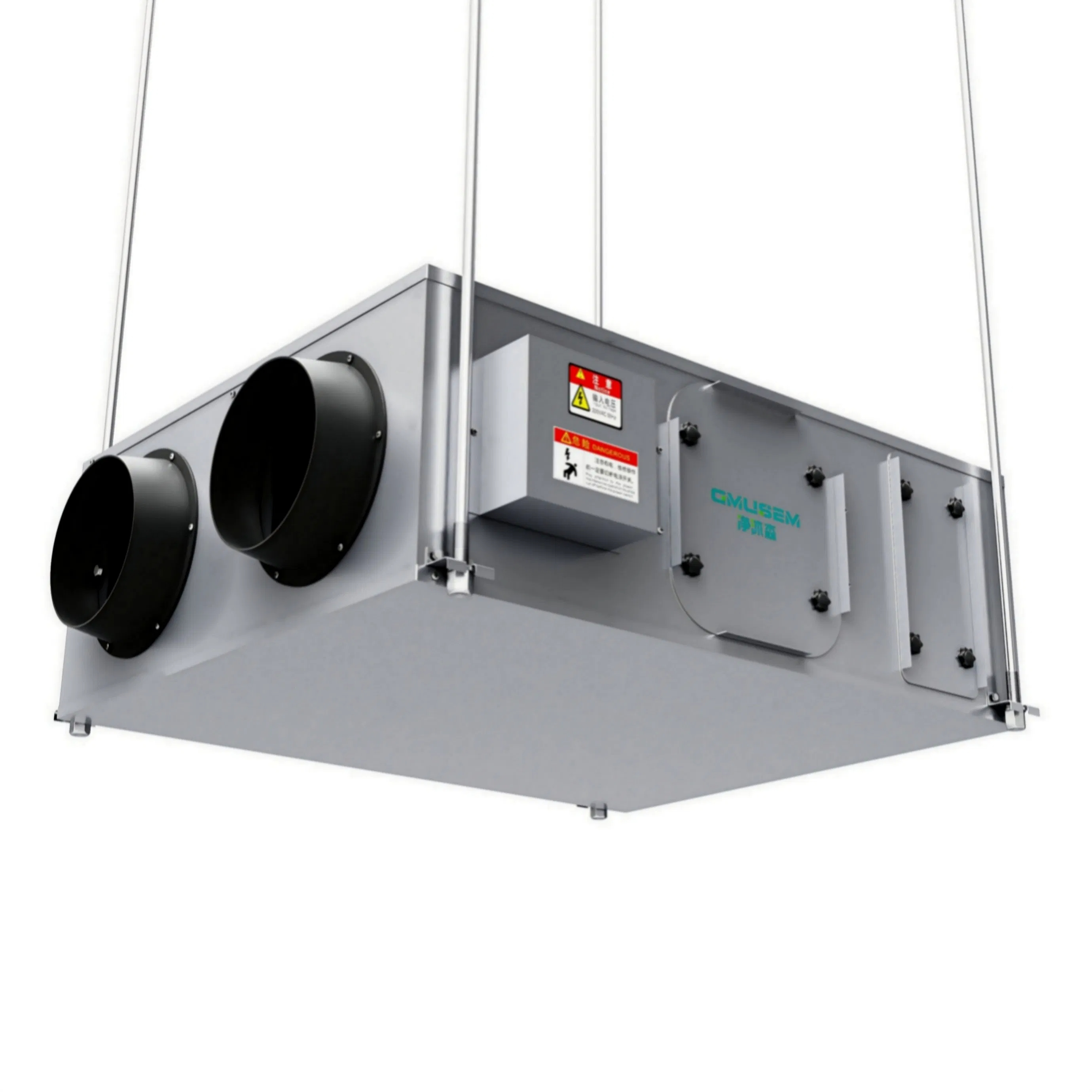
Low-Power EC Fans: The heart of the system, these electronically commutated (EC) fans run continuously at a low speed for background ventilation, consuming minimal energy. They can quickly ramp up to higher speeds when extra extraction is needed, ensuring efficiency without sacrificing performance. Many iMEV fans are also compact and quiet, making them easy to install in cupboards, lofts, or ceiling spaces without disrupting daily life.
Sensor Technology: iMEV systems integrate precision sensors to monitor key air quality metrics, including humidity, CO₂, and VOCs. These sensors communicate with the system’s controller to trigger adjustments—for instance, a humidity sensor might detect steam from cooking and increase fan speed, while a CO₂ sensor could respond to a crowded room by boosting ventilation. Some advanced systems even use AI algorithms to learn occupancy patterns and predict ventilation needs, further optimizing performance.
Air Intake & Ducting: To balance the air extracted from the building, iMEV systems use passive or mechanical air intake units (such as wall or window vents) to bring in fresh, filtered outdoor air. Ducting connects the fans to extraction points in wet rooms, ensuring stale air is efficiently removed without leaking into other areas of the building. The ducting and terminals are designed to be discreet, blending seamlessly with interior decor.
Smart Controller: The brain of the system, the controller processes data from the sensors and adjusts fan speed accordingly. Many modern iMEV systems also offer remote control via smartphone apps, allowing users to monitor air quality, adjust settings, and receive maintenance alerts from anywhere. Some controllers even integrate with home automation systems, enabling联动 with other smart devices like air conditioners or humidifiers.
iMEV systems offer a range of advantages over traditional ventilation solutions, making them a smart investment for both residential and commercial spaces. Here are the most notable benefits:
Everyday activities—cooking, bathing, breathing, and even using cleaning products—release moisture, pollutants, and stale air into indoor spaces. Without proper ventilation, these contaminants can build up, leading to poor IAQ, mold growth, musty odors, and even health issues like allergies or respiratory irritation. iMEV systems continuously remove these harmful substances and replace them with fresh air, ensuring a healthier environment for occupants. The demand-controlled design means ventilation is always tailored to actual needs, not just a fixed schedule.
Traditional ventilation systems often waste energy by running at full speed even when ventilation needs are low. iMEV systems solve this by operating at a low, energy-efficient speed most of the time, only increasing fan speed when necessary. The use of low-power EC fans further reduces energy consumption, cutting down on utility bills and lowering the building’s carbon footprint. Studies show that iMEV systems can reduce energy consumption by up to 30% compared to conventional MEV systems, with payback periods ranging from 2 to 6 years for residential installations.
In many regions—including England, Wales, and Scotland—building regulations mandate adequate ventilation to ensure healthy indoor environments. iMEV systems are designed to meet or exceed these standards, such as Part F of England and Wales’ building regulations and Section 3 of Scotland’s building standards. For builders and developers, installing an iMEV system simplifies compliance and ensures projects meet legal requirements without compromising on performance or design.
iMEV systems are designed for durability and ease of maintenance. The low-speed operation of EC fans reduces wear and tear, extending the system’s lifespan—many manufacturers offer design warranties of up to 12 years when installed by trained professionals. Additionally, smart controllers often include maintenance alerts, notifying users when filters need to be replaced or when the system requires servicing, preventing costly breakdowns and ensuring consistent performance.
iMEV systems are suitable for a wide range of applications, from single-family homes and apartments to multi-occupancy buildings like care homes, student accommodation, and hotels. They can be tailored to the specific needs of a project, with options like iMEV Local (which senses humidity in individual rooms) and iMEV Total (which monitors both humidity and system pressure) to suit different space requirements. Their compact design also makes them ideal for retrofits, as they can be installed in existing buildings without major renovations.
To fully appreciate the value of iMEV systems, it’s helpful to compare them to traditional ventilation solutions:
Passive Ventilation: Relies on natural airflow through windows, vents, or gaps in the building. While low-cost, it’s inconsistent—airflow depends on weather conditions, and it fails to remove pollutants effectively in tightly sealed modern homes.
Basic MEV Systems: Run at a fixed speed continuously, providing consistent ventilation but wasting energy when demand is low. They require manual adjustments to adapt to changing conditions, making them less efficient and user-friendly.
iMEV Systems: Combine the consistency of mechanical ventilation with the intelligence of smart technology. They adapt to real-time air quality, minimize energy use, and require little to no manual intervention, offering the best of both worlds.
If you’re considering installing an iMEV system, here are a few key factors to keep in mind to ensure you select the right solution for your space:
Assess Your Space: Consider the size of the building, the number of wet rooms, and occupancy levels. Larger spaces or high-occupancy buildings may require a centralized iMEV system, while smaller homes might benefit from a decentralized setup with individual fan units in each wet room.
Check Sensor Capabilities: Look for systems with multi-sensor technology (humidity, CO₂, VOCs) for comprehensive air quality monitoring. AI-enabled systems that learn occupancy patterns offer additional efficiency benefits.
Prioritize Energy Efficiency: Choose systems with EC fans and low standby power consumption. Look for energy ratings or certifications to ensure you’re getting a system that will reduce your carbon footprint and utility bills.
Consider Installation & Maintenance: Opt for systems that are easy to install (especially for retrofits) and come with clear maintenance guidelines. Systems with remote monitoring and maintenance alerts will save you time and money in the long run.
Ensure Compliance: Verify that the system meets local building regulations to avoid costly modifications later. Many manufacturers provide documentation to confirm compliance with standards like Part F or Section 3.
As the focus on indoor air quality and energy sustainability continues to grow, iMEV systems are poised to become the standard for ventilation in both residential and commercial buildings. With advancements in AI, sensor technology, and IoT connectivity, these systems are becoming even more intelligent—predicting ventilation needs, integrating with smart home ecosystems, and providing real-time data on indoor air quality. For homeowners and property managers, investing in an iMEV system isn’t just about meeting regulations; it’s about creating a healthier, more comfortable, and more efficient space for everyone who uses it.
Whether you’re building a new home, upgrading an existing ventilation system, or simply looking to improve your indoor air quality, an iMEV system offers a smart, sustainable solution that delivers long-term value. Say goodbye to stale air, wasted energy, and manual controls—welcome to the future of intelligent ventilation.
 18705226241


