


Humid‑Region HVAC Tips: Control Moisture and Prevent Mold Growth
Living or operating a business in high-humidity regions brings a unique set of indoor climate challenges. Sweltering damp air, lingering indoor moisture, condensation on walls and windows, and poor air circulation create the perfect breeding ground for mold, mildew, dust mites, and musty odors. While many property owners only use their HVAC systems to lower indoor temperatures in humid climates, cooling alone is never enough. Without proper moisture regulation, your HVAC unit can even worsen humidity issues, leading to poor indoor air quality, damaged building materials, and potential health risks. In this guide, we share practical, expert-backed HVAC tips to effectively control indoor moisture, stabilize humidity levels, and permanently prevent mold growth in humid regions year-round.
Mold and mildew thrive in environments with persistent humidity levels above 60%. Most tropical, subtropical, and coastal regions experience high atmospheric humidity throughout spring, summer, and even fall. When warm, moisture-laden outdoor air enters buildings and mixes with cooled indoor air, condensation occurs on ceilings, walls, carpets, furniture, and inside hidden ductwork—creating invisible damp zones that mold loves.
Many standard HVAC systems are designed primarily for temperature cooling rather than dehumidification. When running in humid weather, basic AC units often pull in excessive moist air, fail to remove enough water vapor, and leave trapped moisture inside ducts and evaporator coils. Over time, this hidden dampness leads to mold colonization, clogged drainage systems, musty indoor odors, and accelerated corrosion of HVAC components. Additionally, uneven ventilation and oversized cooling systems that short-cycle frequently worsen the problem by failing to run long enough to dehumidify the air properly.
One of the most overlooked HVAC mistakes in humid regions is relying on oversized air conditioners. Larger cooling units lower room temperatures quickly but shut down before they can extract sufficient moisture from the air. This short cycling leaves indoor humidity high, even when the room feels cool to the touch.
To fix this issue, prioritize properly sized HVAC systems matched to your building’s square footage, insulation quality, and local humidity levels. Right-sized systems run longer, gentler cooling cycles that allow the evaporator coil adequate time to condense and remove excess water vapor from indoor air. For existing systems, avoid setting thermostat temperatures excessively low. Keeping indoor temperatures moderately cool while letting the HVAC system run steadily delivers far better dehumidification and mold prevention than rapid, frequent cooling bursts.
Modern high-efficiency HVAC systems come equipped with dedicated dry or dehumidify modes specifically designed for humid climates. Unlike standard cooling modes that focus solely on temperature reduction, dehumidification modes adjust fan speed, coil temperature, and airflow priority to remove moisture first while maintaining comfortable indoor temperatures.
When humidity levels spike during rainy seasons or muggy summer days, switch your HVAC system to dehumidify mode instead of regular cooling mode. This setting slows down blower fan speed, allowing air to spend more time passing over the cold evaporator coil, which maximizes moisture removal. For older HVAC units without built-in dehumidification modes, installing a whole-house dehumidifier integrated with your existing HVAC system is a cost-effective upgrade to maintain consistent humidity control across the entire building.
Clogged drain lines and dirty ductwork are two of the top hidden causes of mold growth in humid-region HVAC systems. As your HVAC cools indoor air, it collects condensation that flows through drain pipes to the exterior. In humid environments, these lines easily accumulate algae, sludge, dirt, and debris, causing blockages. When drainage backs up, standing water pools inside air handlers, drip pans, and ductwork—creating an ideal mold breeding ground.
Schedule quarterly HVAC inspections to clean condensate drain lines, flush drip pans, and remove buildup from evaporator coils. Annual professional duct cleaning is also essential to eliminate accumulated dust, moisture residue, and early mold spores trapped inside ductwork. Sealing leaky ducts is equally critical: gaps in ductwork draw in humid outdoor air, introduce excess moisture, and spread mold-contaminated air throughout every room of your property.
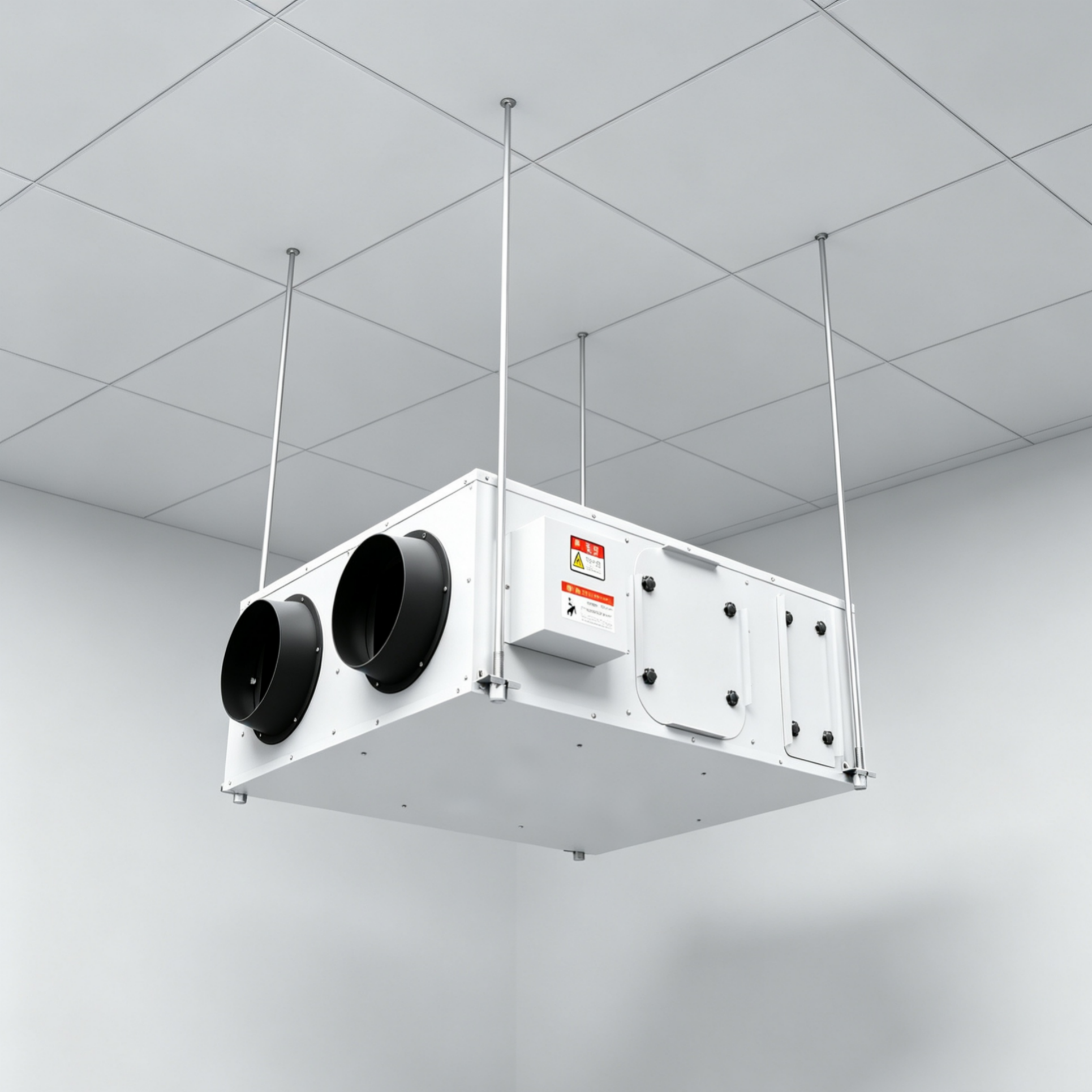
Proper ventilation is essential for mold prevention, but opening windows in humid weather only floods indoor spaces with more moist outdoor air. Energy Recovery Ventilators (ERVs) are the perfect HVAC solution for humid regions, as they provide fresh air exchange without sacrificing indoor moisture control.
ERV systems transfer heat and moisture between incoming outdoor air and outgoing stale indoor air. In humid summer conditions, the ERV removes excess moisture from incoming air before it enters your living or working space, balancing indoor humidity while ventilating out stale, contaminated air. This continuous controlled air exchange eliminates stagnant damp air pockets, reduces overall indoor moisture, and significantly lowers mold growth risk. Unlike traditional ventilation fans, ERVs work efficiently year-round and support consistent indoor air quality without overloading your cooling system.
Smart HVAC thermostats with built-in humidity sensors are game-changing tools for humid climate moisture management. Instead of only regulating temperature, these devices monitor real-time indoor humidity levels and automatically adjust HVAC operation to maintain an optimal humidity range of 40–55%—the sweet spot that inhibits mold, mildew, and dust mite growth.
You can program custom humidity triggers: if indoor moisture exceeds 55%, the thermostat automatically activates dehumidification cycles even if the set temperature is already reached. Smart scheduling also allows you to pre-adjust HVAC settings before rainy days or high-humidity weather fronts, preventing moisture buildup before it occurs. Some advanced models offer remote monitoring, letting you check indoor humidity levels and adjust HVAC operation anytime, anywhere to avoid unmonitored damp conditions.
Consistent seasonal maintenance is the foundation of long-term moisture and mold control in humid regions. Start with pre-summer HVAC servicing to prepare your system for peak humidity conditions. Professional technicians will clean evaporator coils, clear drain line blockages, inspect duct sealing, test dehumidification functions, and replace worn air filters.
Replace standard air filters with high-MERV filtration media to trap mold spores, pollen, and airborne moisture particles. Check indoor condensation points regularly, including window sills, ceiling corners, and closet walls, and ensure supply and return vents are never blocked by furniture or curtains—blocked airflow creates stagnant damp zones where mold thrives. During prolonged rainy seasons, run your HVAC system’s fan on intermittent mode to keep air circulating and prevent moisture from settling on surfaces.
Ignoring HVAC moisture issues in humid regions leads to far more than just stuffy indoor air. Persistent high humidity rots wooden furniture, warps flooring, peels paint, and damages drywall, causing costly structural deterioration over time. Mold growth releases airborne spores that trigger allergies, asthma attacks, coughing, eye irritation, and other respiratory issues for residents and employees. Additionally, neglected mold and moisture buildup shortens HVAC system lifespan, reduces cooling efficiency, and leads to frequent breakdowns and expensive repair bills.
Controlling moisture and preventing mold in humid regions is not just about cooling—it is about strategic HVAC operation, regular system maintenance, and climate-specific upgrades. By optimizing HVAC runtime, utilizing dehumidification modes, maintaining clean drainage and ductwork, installing ERV ventilation, and leveraging smart humidity controls, you can maintain healthy, dry, and comfortable indoor environments year-round.
A well-tuned humid-region HVAC system does more than cool your space. It protects your property from structural damage, preserves indoor air quality, and eliminates mold growth risks for safer, more comfortable living and working conditions in any humid climate.
 18705226241


