


If you’ve ever adjusted your thermostat to beat the summer heat or ward off winter chills, you’ve interacted with your home’s HVAC system—but do you know how it actually works? HVAC, short for Heating, Ventilation, and Air Conditioning, is more than just a single unit; it’s a coordinated system of components working together to keep your home comfortable, healthy, and consistent year-round. In this blog, we’ll break down the basics of how a residential HVAC system operates, from key components to the step-by-step processes that keep you cool in summer and warm in winter.
Before diving into the “how,” let’s clarify the “what.” A residential HVAC system is an integrated network designed to perform three core functions: heat your home in cold weather, cool it in hot weather, and ventilate it to maintain clean, fresh air. Unlike standalone space heaters or window AC units, a central HVAC system (the most common type in homes) distributes conditioned air throughout your entire house via ductwork, ensuring consistent temperatures in every room. It also regulates humidity and filters out airborne pollutants, making it a critical part of your home’s comfort and indoor air quality (IAQ).
To understand how the system works, you first need to know its main parts—think of them as a team, each with a specific role to play. Here are the essential components you’ll find in most central HVAC systems:
The thermostat is your direct line of communication with your HVAC system. This small, wall-mounted device acts as the control center: it monitors your home’s current temperature and compares it to the setpoint you choose (e.g., 72°F in winter, 76°F in summer). When the temperature deviates from your setpoint, the thermostat sends a signal to the rest of the system to turn on and start conditioning the air. Modern programmable or smart thermostats take this a step further, allowing you to schedule temperature changes (e.g., lower the heat when you’re at work) to save energy and improve efficiency.
The indoor unit is typically located in a basement, attic, or utility closet and houses two key parts: the air handler and the evaporator coil (for cooling) or heat exchanger (for heating).
Air Handler: Equipped with a blower fan, the air handler pulls in air from your home, pushes it through the conditioning components (evaporator coil or heat exchanger), and then distributes the treated air back into your living spaces via ductwork.
Evaporator Coil: This coil is filled with refrigerant and is responsible for cooling air during summer. As warm air passes over the cold coil, the refrigerant absorbs heat from the air, cooling it down before it’s circulated back into your home.
Heat Exchanger: Found in furnaces (the most common heating component), the heat exchanger is where heat is generated. For gas furnaces, natural gas or propane is burned in a burner, and the heat exchanger transfers that heat to the air passing through it—without mixing the combustion gases with the indoor air (a critical safety feature).
The outdoor unit—often called the condenser unit—sits outside your home and works hand-in-hand with the indoor unit to cool your home. It contains three main parts:
Compressor: Known as the “heart” of the cooling system, the compressor pressurizes the refrigerant (a special fluid that transfers heat) and sends it to the condenser coil. This process raises the refrigerant’s temperature, turning it into a high-pressure gas.
Condenser Coil: As the high-pressure, hot refrigerant flows through the condenser coil, a fan blows outdoor air over the coil, releasing the heat the refrigerant absorbed from your home into the outside air. This cools the refrigerant, turning it back into a liquid.
Expansion Valve: After the condenser coil, the liquid refrigerant passes through the expansion valve, which reduces its pressure and temperature, turning it into a cold, low-pressure mist before it returns to the indoor evaporator coil to repeat the cooling cycle.
For homes with heat pumps (a more energy-efficient alternative to furnaces), the outdoor unit also acts as a heat source in winter. A reversing valve switches the direction of the refrigerant flow, allowing the system to absorb heat from the outdoor air (even in cold weather) and transfer it into your home.
Ductwork is a system of metal or flexible tubes that runs through your walls, floors, and ceilings, connecting the indoor unit to every room in your home. It has two main parts: supply ducts, which push conditioned air (cool or warm) into your living spaces, and return ducts, which pull warm or stale air back into the indoor unit to be reconditioned. Clean, well-sealed ducts are essential for efficiency—leaks or clogs can waste energy and reduce the system’s performance.
Located in the return air duct or indoor unit, the air filter traps dust, pollen, pet dander, and other airborne particles before they enter the HVAC system. This not only improves indoor air quality but also protects the system’s components (like the blower fan and coils) from dirt buildup, which can reduce efficiency and lead to breakdowns. Regularly changing your air filter is one of the easiest ways to maintain your HVAC system.
Now that we know the components, let’s walk through how the system cools your home step by step—this process relies on the refrigerant cycle, a simple principle: pressure and temperature are directly related (increase pressure, temperature rises; reduce pressure, temperature falls).
You set your thermostat to a cool temperature (e.g., 74°F). When the indoor temperature rises above this setpoint, the thermostat sends a signal to the indoor and outdoor units to turn on.
The indoor air handler’s blower fan pulls warm, humid air from your home through the return ducts and passes it over the cold evaporator coil (filled with low-pressure refrigerant).
As the warm air contacts the cold coil, the refrigerant absorbs the heat from the air, cooling it down. The humidity in the air condenses on the coil (like water on a cold glass) and drips into a condensate pan, which drains outside your home.
The cooled, dehumidified air is pushed through the supply ducts and into your rooms, lowering the indoor temperature.
Meanwhile, the refrigerant—now a warm, low-pressure gas—moves to the outdoor compressor, which pressurizes it into a high-pressure, hot gas.
The hot gas flows through the outdoor condenser coil, where a fan blows outdoor air over the coil, releasing the absorbed heat into the outside air. This cools the refrigerant, turning it back into a liquid.
The liquid refrigerant passes through the expansion valve, which reduces its pressure and temperature, turning it into a cold mist. It then returns to the evaporator coil to repeat the cycle.
Once the indoor temperature reaches your setpoint, the thermostat shuts off the system—until the temperature rises again, and the cycle restarts.
Heating mode works differently depending on whether you have a furnace or a heat pump. Let’s break down both common setups:
You set your thermostat to a warm temperature (e.g., 70°F). When the indoor temperature drops below this setpoint, the thermostat signals the furnace to turn on.
For gas furnaces, the burner ignites natural gas or propane, creating heat. This heat is transferred to the heat exchanger (a metal chamber that keeps combustion gases separate from indoor air).
The air handler’s blower fan pulls cool air from your home through the return ducts and passes it over the hot heat exchanger, warming the air.
The warm air is pushed through the supply ducts into your rooms, raising the indoor temperature.
Combustion gases (byproducts of burning fuel) are safely vented outside your home through a flue pipe, preventing carbon monoxide buildup indoors.
When the indoor temperature reaches your setpoint, the thermostat shuts off the furnace—until the temperature drops again.
Heat pumps don’t generate heat—they transfer it from the outdoor air (even in cold weather) into your home, using the same refrigerant cycle as cooling mode but in reverse.
The thermostat signals the heat pump to turn on. A reversing valve switches the direction of refrigerant flow.
The outdoor unit’s fan pulls in outdoor air, and the refrigerant in the outdoor coil absorbs heat from this air (yes, even cold air contains heat!).
The refrigerant—now a warm gas—moves to the compressor, which pressurizes it to make it even hotter.
The hot refrigerant flows through the indoor evaporator coil (now acting as a heat exchanger), and the air handler’s fan blows cool indoor air over the coil, warming it up.
The warm air is distributed through the supply ducts, and the refrigerant (now cooled) returns to the outdoor unit to absorb more heat. The cycle repeats until the indoor temperature reaches your setpoint.
While heating and cooling get most of the attention, ventilation is just as important. Ventilation ensures that stale, polluted air (from cooking, cleaning, or breathing) is replaced with fresh outdoor air, improving indoor air quality and preventing moisture buildup (which can lead to mold and mildew). Most modern HVAC systems include ventilation components, such as:
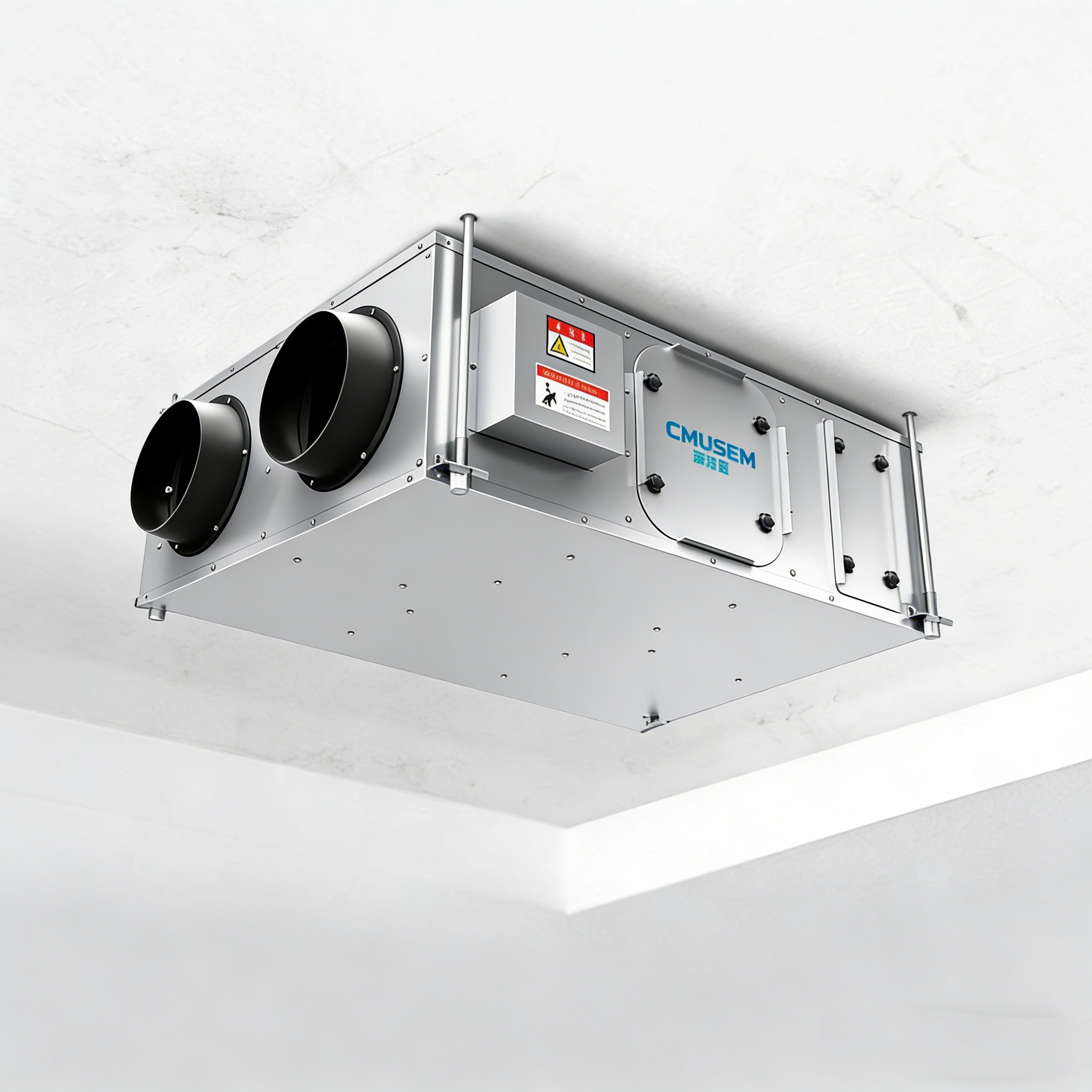
Air exchangers: These devices pull in fresh outdoor air and exhaust stale indoor air, while transferring heat between the two air streams to save energy.
Dampers: These adjust airflow in the ductwork to ensure proper ventilation in every room.
Some systems also use the return ducts to bring in small amounts of fresh outdoor air, which is then filtered and conditioned before being distributed throughout the home.
Knowing how your residential HVAC system works isn’t just a fun fact—it can save you money, extend the life of your system, and keep your home more comfortable. Here’s why it matters:
Energy Savings: When you understand how the system operates, you can use your thermostat more efficiently (e.g., programming it to adjust when you’re away) and spot inefficiencies (like dirty filters or leaky ducts) that waste energy.
Maintenance: Regular maintenance (like changing filters, cleaning coils, and checking refrigerant levels) is key to keeping your HVAC system running smoothly. Knowing the components helps you recognize when something is wrong (e.g., a noisy compressor or weak airflow) and call a professional before it becomes a costly repair.
Comfort: Understanding how temperature, humidity, and airflow work together allows you to adjust your system to meet your specific comfort needs—whether you prefer a cooler home in summer or a warmer, less humid home in winter.
Your residential HVAC system is a hardworking, integrated network that keeps your home comfortable year-round. From the thermostat (the brain) to the ductwork (the highways) to the outdoor unit (the workhorse), every component plays a vital role in heating, cooling, and ventilating your space. By understanding how these parts work together, you can make smarter decisions about maintenance, energy use, and comfort—and get the most out of your HVAC system for years to come.
If you’re ever unsure about your system’s performance or need help with maintenance, don’t hesitate to call a professional HVAC technician. They can inspect your system, identify issues, and ensure it’s running efficiently and safely.
 18705226241


