


How Important Is It To Consider a Mechanical Ventilation with Heat Recovery System For Your New Build Home
Building a new home is all about balancing comfort, sustainability, long-term value, and healthy living. From choosing energy-efficient insulation to modern window designs, every decision shapes how your home performs and feels for years to come. One often-overlooked yet game-changing feature for modern new builds is a Mechanical Ventilation with Heat Recovery (MVHR) system. Once considered a luxury upgrade, MVHR is now rapidly becoming a staple of high-quality, airtight, and eco-friendly new homes worldwide. In this blog, we’ll break down exactly why MVHR deserves a top spot on your new build priority list, covering its functionality, key benefits, cost value, and real-world advantages for modern homeowners.
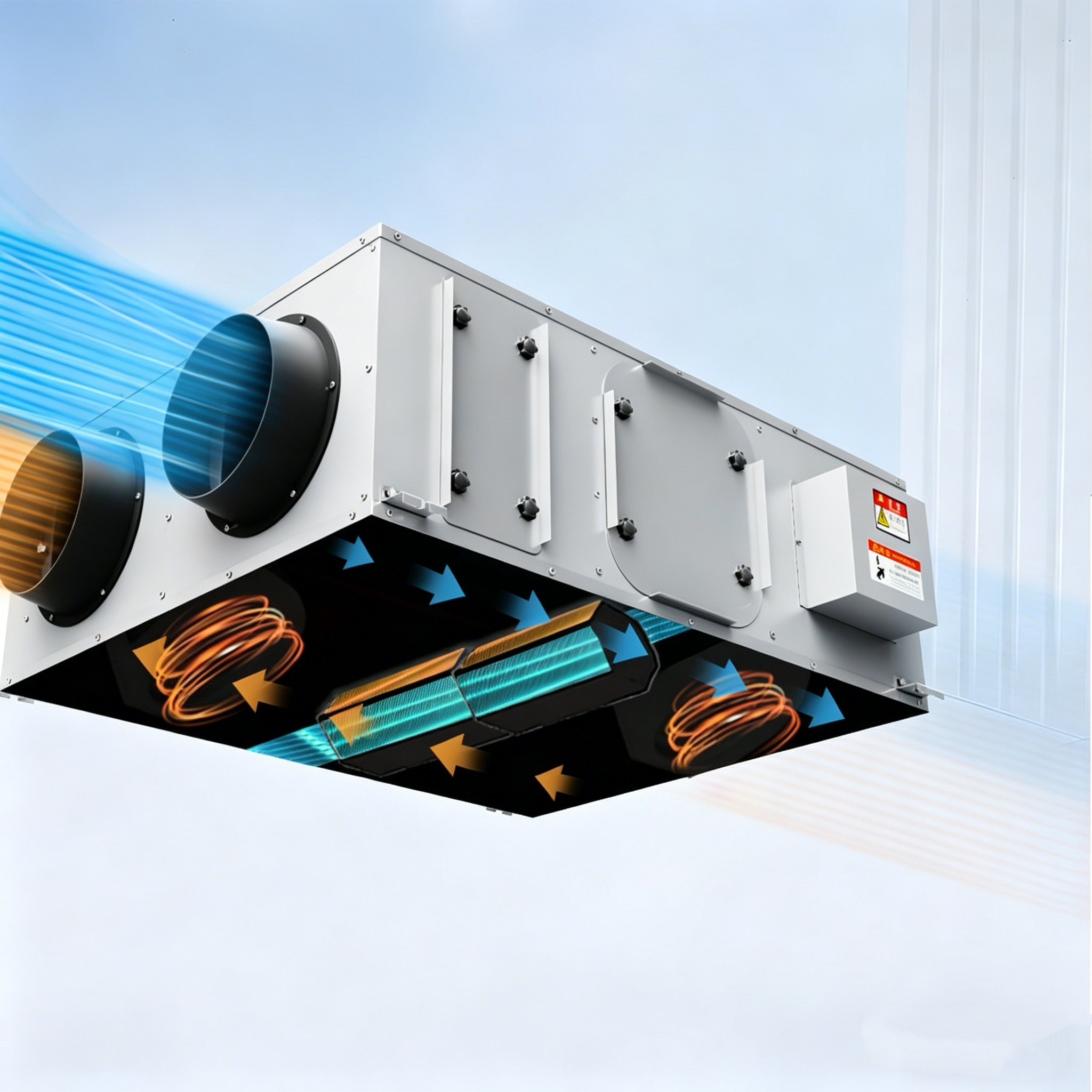
Before diving into its importance, let’s simplify how MVHR works for everyday homeowners. A Mechanical Ventilation with Heat Recovery system is a whole-home, continuous ventilation solution designed to replace stale indoor air with filtered fresh outdoor air without wasting valuable heat.
Unlike traditional ventilation methods—such as opening windows, extractor fans, or passive vents—that let warm air escape and cold air flood in, MVHR operates intelligently. The system pulls damp, polluted, stale air out of high-moisture rooms like bathrooms, kitchens, and utility rooms. Simultaneously, it draws in fresh outdoor air, filters out dust, pollen, and airborne pollutants, and transfers up to 95% of the heat from the outgoing stale air to the incoming fresh air via a built-in heat exchanger core . This balanced air exchange maintains consistent indoor air pressure, eliminates draughts, and delivers year-round fresh air without energy loss .
Many modern MVHR units also feature intelligent summer bypass technology, which disables heat recovery in warm weather to bring in cool fresh air naturally, ensuring comfort in every season .
Today’s new homes are built to be far more airtight and thermally efficient than older properties, thanks to strict building regulations focused on energy conservation and net-zero carbon goals . While thick insulation, double-glazed windows, and sealed building envelopes drastically cut heat loss and energy bills, they create a hidden problem: stagnant indoor air.
Sealed homes trap moisture, cooking fumes, pet dander, dust mites, volatile organic compounds (VOCs) from new paint and furniture, and excess carbon dioxide. Without proper ventilation, this trapped air leads to condensation, mould growth, musty odours, stuffy rooms, and poor indoor air quality—issues that plague countless modern new builds. Standard intermittent fans or window opening cannot solve this problem effectively, as fans only work temporarily and windows create draughts, heat loss, and security risks. MVHR solves all these pain points by delivering consistent, controlled, draught-free ventilation 24/7.
Indoor air can be up to five times more polluted than outdoor air, especially in sealed new homes. New build properties often contain residual construction dust, paint fumes, and VOCs from new cabinetry, flooring, and decor. MVHR’s high-efficiency filters trap pollen, dust, bacteria, and airborne allergens, continuously cycling clean, fresh air throughout living rooms, bedrooms, and communal spaces .
This consistent air circulation reduces respiratory irritants, lowers the risk of asthma and allergy flare-ups, and eliminates stale, stuffy air that causes fatigue and poor concentration. For families with young children, elderly residents, or anyone with sensitivities, MVHR creates a healthier, safer living environment year-round.
Heating accounts for a large portion of household energy costs, and traditional ventilation wastes massive amounts of generated heat. MVHR’s industry-leading heat recovery efficiency (60–95%) drastically reduces heat loss during ventilation, cutting space heating costs by 20–30% annually in most new builds . In winter, it pre-warms incoming cold air; in summer, its bypass function supports free cooling to reduce reliance on air conditioning .
Beyond household savings, MVHR helps new builds comply with strict building code regulations for energy conservation and low-carbon design . It is a key requirement for Passivhaus certification and helps homes meet net-zero targets, lowering overall carbon footprints and supporting sustainable living .
Excess indoor moisture is the silent enemy of new build homes. Daily activities like cooking, showering, and drying laundry release large amounts of water vapour. In airtight homes, this moisture lingers on walls, windows, and ceilings, causing condensation, black mould, peeling paint, and even rotting timber over time.
MVHR continuously extracts moisture-laden air before condensation can form, maintaining optimal indoor humidity levels (40–60%). This prevents mould growth and damp-related damage, protecting your home’s structural integrity and eliminating the need for costly future repairs. Unlike dehumidifiers, which only remove moisture, MVHR refreshes air while regulating humidity for long-term home health.
One of the most underrated MVHR benefits is uniform home comfort. Traditional ventilation creates hot and cold spots: upper floors get stuffy, ground floors feel draughty, and bathrooms stay humid. MVHR distributes fresh, temperature-regulated air evenly across every room, eliminating stuffy bedrooms, damp bathrooms, and cold draughts.
With no need to open windows for fresh air, you also block out external noise, pollution, and insects, creating a calmer, more peaceful living environment. Whether it’s freezing winter or sweltering summer, your home maintains a stable, comfortable temperature with minimal HVAC reliance.
As homebuyers increasingly prioritise energy efficiency, healthy living, and low-maintenance properties, MVHR has become a highly desirable feature. Homes equipped with MVHR stand out in the real estate market, appealing to eco-conscious buyers, families, and investors looking for future-proof properties.
Unlike cosmetic upgrades that fade over time, MVHR is a permanent, functional improvement that enhances a home’s structural health, energy performance, and livability. It reduces long-term maintenance costs and utility expenses, making your new build a smarter, more valuable investment.
Many homeowners hesitate due to upfront installation costs, but MVHR delivers exceptional long-term returns. The best time to install MVHR is during the new build construction phase. Retrofitting the system into a finished home is far more expensive and disruptive, requiring wall and ceiling alterations to install ductwork. When built in from the start, MVHR installation is seamless, cost-effective, and perfectly integrated with your home’s design.
The annual savings on heating and cooling bills, reduced maintenance costs from mould and damp prevention, improved family health, and increased property value far outweigh the initial investment. For anyone building a forever home or a high-spec investment property, MVHR is not just an upgrade—it’s a necessity.
To maximise MVHR performance in your new build, keep these simple tips in mind:
Professional Design & Installation: Always work with qualified engineers to design the system to match your home’s size, layout, and airtightness ratings for optimal efficiency .
Regular Filter Maintenance: Clean or replace filters every 6–12 months to maintain air quality and system efficiency.
Smart Control Setup: Opt for modern MVHR units with adjustable speed settings and smart controls to tailor ventilation to your household’s daily routines.
Seasonal Adjustments: Utilise the summer bypass feature to avoid unnecessary heat recovery during warm weather and maximise natural cooling .
Gone are the days when home ventilation was an afterthought. For modern airtight new builds, an MVHR system is an essential component of healthy, energy-efficient, and future-proof living. It solves the biggest flaws of ultra-insulated modern homes—stagnant air, excess moisture, and wasted energy—while delivering consistent comfort, better air quality, and long-term financial savings.
If you’re designing your dream new build, don’t overlook this powerful system. Investing in MVHR today means enjoying a healthier, more comfortable, and more valuable home for decades to come.
 18705226241


