


In an era where indoor air quality (IAQ) and energy efficiency are top priorities for homeowners, business owners, and facility managers alike, Energy Recovery Ventilators (ERV) have become an indispensable solution. Unlike traditional ventilation systems that often waste energy or fail to balance fresh air intake with indoor comfort, ERVs are designed to address both challenges—delivering clean, fresh air while preserving the energy used to heat or cool a space. Whether you’re looking to upgrade a residential property, optimize a commercial building, or enhance industrial ventilation, understanding how ERV systems operate and their key benefits is essential to making an informed decision. Let’s dive into the mechanics of ERVs and explore why they’re a smart investment for any space.
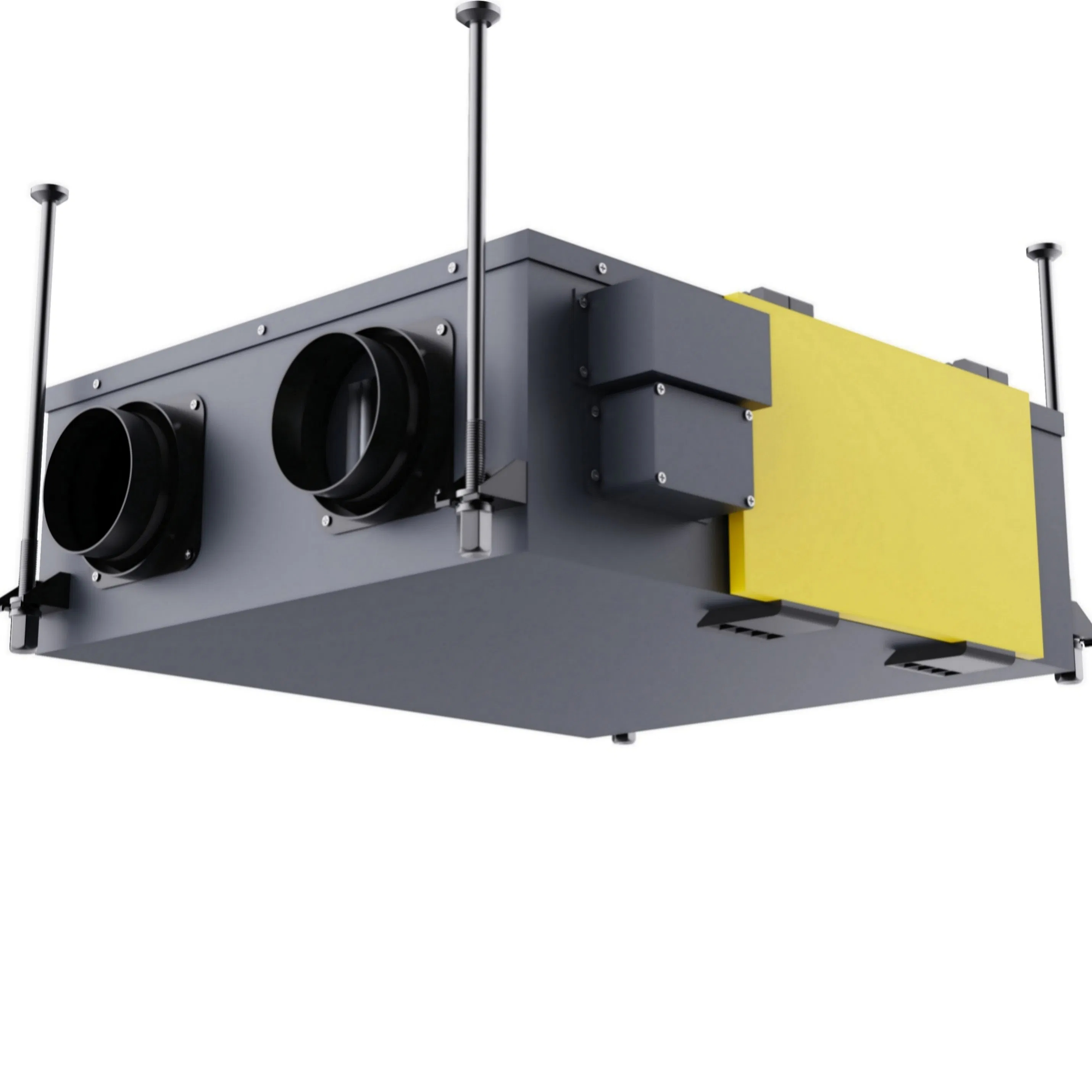
At its core, an Energy Recovery Ventilator (ERV) is an advanced air-to-air heat exchanger that facilitates the exchange of stale indoor air with fresh outdoor air—all while transferring heat (and in some cases, moisture) between the two air streams. This process ensures that the fresh air entering your space is pre-conditioned, reducing the load on your heating, ventilation, and air conditioning (HVAC) system and saving energy. Here’s a step-by-step breakdown of how ERVs work:
ERV systems feature two separate, sealed air streams that never mix: one for exhausting stale indoor air and one for bringing in fresh outdoor air. The exhaust stream carries unwanted pollutants—such as carbon dioxide, volatile organic compounds (VOCs), dust, and excess moisture—out of the building. The supply stream draws in clean, oxygen-rich outdoor air, filtering it before it enters the living or working space.
The key to an ERV’s efficiency lies in its heat exchanger core, typically made of a durable, heat-conductive material (such as aluminum or plastic). As the two air streams pass through the core (without mixing), heat is transferred from the warmer stream to the cooler one. In winter, the warm, stale indoor air heats the cold incoming outdoor air, reducing the amount of energy needed to warm the fresh air. In summer, the cool, conditioned indoor air cools the hot outdoor air, lessening the burden on your AC system.
Unlike Heat Recovery Ventilators (HRVs), which only transfer heat, ERVs also transfer moisture. This is critical for maintaining optimal indoor humidity levels: in winter, ERVs retain some of the moisture from the exhaust air to prevent the indoor air from becoming too dry; in summer, they remove excess moisture from the incoming outdoor air to avoid muggy conditions.
Before the fresh outdoor air enters the space, it passes through built-in filters that trap dust, pollen, allergens, and other airborne particles. This ensures that the air you breathe is not only fresh but also clean, making ERVs an excellent choice for those with allergies, asthma, or respiratory sensitivities. Once conditioned and filtered, the fresh air is distributed throughout the building via ductwork (or standalone units for spaces without ducts), while the stale exhaust air is pushed outside.
Modern ERV systems come equipped with intuitive controls that allow users to adjust fan speeds, monitor air quality, and set schedules. Many models also integrate with smart home systems, enabling remote control via smartphones or voice assistants. Additionally, ERVs are designed to be energy-efficient, with low-power fans and high heat recovery efficiency ratings (often 70-80%), meaning they use minimal electricity while delivering maximum benefits.
Now that we understand how ERVs operate, let’s explore the tangible benefits they offer for residential, commercial, and industrial spaces. From improved air quality to lower energy bills, ERVs deliver value on multiple fronts:
The primary benefit of ERVs is their ability to continuously replace stale indoor air with fresh, filtered outdoor air. This reduces the concentration of harmful pollutants, including CO2, VOCs, mold spores, pet dander, and dust, creating a healthier environment for occupants. Better IAQ can lead to fewer respiratory issues, improved focus and productivity (in commercial spaces), and a more comfortable living experience.
By pre-conditioning incoming fresh air using heat and moisture from exhaust air, ERVs reduce the workload on your HVAC system. This means your furnace or AC doesn’t have to work as hard to maintain your desired temperature, resulting in lower monthly energy bills. Over time, the energy savings can offset the initial cost of installing an ERV system—making it a cost-effective long-term investment.
Unlike traditional ventilation systems that can dry out indoor air in winter or add excess moisture in summer, ERVs balance humidity levels year-round. Proper humidity (between 30-50%) prevents dry skin, chapped lips, and static electricity in winter, and reduces mold growth, musty odors, and discomfort in summer. This not only improves comfort but also protects your home or building from humidity-related damage, such as warped wood or peeling paint.
Since ERVs pre-condition incoming air, your HVAC system doesn’t have to cycle on and off as frequently to maintain temperature and humidity. This reduces wear and tear on the system’s components (such as the compressor and fan), extending its lifespan and reducing the need for costly repairs or replacements. Regular maintenance of your ERV (such as filter changes) can further enhance the longevity of both your ERV and HVAC system.
Modern ERV systems are designed to operate quietly, with fan speeds that can be adjusted to minimize noise. Unlike window fans or portable ventilation units, ERVs are typically installed in attics, basements, or utility closets (for ducted systems) or as compact standalone units, making them unobtrusive and unlikely to disrupt daily activities.
ERVs are suitable for a wide range of spaces, including homes, offices, schools, hospitals, hotels, and industrial facilities. They can be installed as part of a ducted HVAC system or used as standalone units for smaller spaces (such as apartments or home offices). This versatility makes ERVs a flexible solution for any ventilation needs, regardless of the space size or type.
While ERVs offer benefits for nearly any space, they are particularly valuable for:
Homeowners in climates with extreme temperatures (hot summers or cold winters), where energy savings are most significant.
Individuals with allergies, asthma, or other respiratory conditions, who need consistent access to clean, filtered air.
Commercial building owners and managers looking to improve employee productivity, reduce energy costs, and comply with indoor air quality regulations.
Facility managers of hospitals, schools, and nursing homes, where air quality is critical for the health and safety of occupants.
Anyone living or working in tightly sealed buildings (common in modern construction for energy efficiency), where stale air can become trapped without proper ventilation.
Energy Recovery Ventilators (ERV) are a smart, efficient solution for improving indoor air quality, reducing energy costs, and enhancing comfort in any space. By leveraging heat and moisture exchange technology, ERVs deliver fresh, clean air while preserving energy—addressing two of the most pressing concerns for modern building occupants. Whether you’re upgrading a residential property or optimizing a commercial facility, understanding how ERVs operate and their key benefits can help you make a decision that improves your space’s comfort, health, and sustainability.
If you’re considering installing an ERV system, be sure to work with a reputable provider who can assess your space’s specific needs and recommend the right model for you. With proper installation and maintenance, an ERV system can provide years of reliable service and value—making it a worthwhile investment in your health and your home or business.
 18705226241


