


How Does MVHR Work? A Simple Guide to Heat Recovery Ventilation
Have you ever struggled with a common home dilemma? You want fresh, clean indoor air to breathe easily, free from stuffiness, excess moisture, and stale odours. Yet opening windows in winter wastes precious heat, drives up energy bills, and lets in cold drafts, pollen, and dust. This is where MVHR comes in. Short for Mechanical Ventilation with Heat Recovery, MVHR is a smart, whole-home ventilation system that solves this exact problem. It delivers constant fresh air indoors while capturing and reusing wasted heat, making homes healthier, warmer, and more energy-efficient. Today, we’ll break down exactly how MVHR works in simple, jargon-free terms.
At its core, MVHR is a fully mechanical ventilation system designed for continuous, balanced air circulation. Unlike intermittent window ventilation or basic extractor fans, it works 24/7 to replace stale indoor air with filtered outdoor air. Its biggest superpower? Heat recovery. Instead of letting the heat trapped in your indoor air escape outdoors, the system recycles up to 95% of that wasted heat to warm incoming fresh air. Best of all, the incoming fresh air and outgoing stale air never mix, so you get purified air without any cross-contamination of pollutants, moisture, or unpleasant smells.
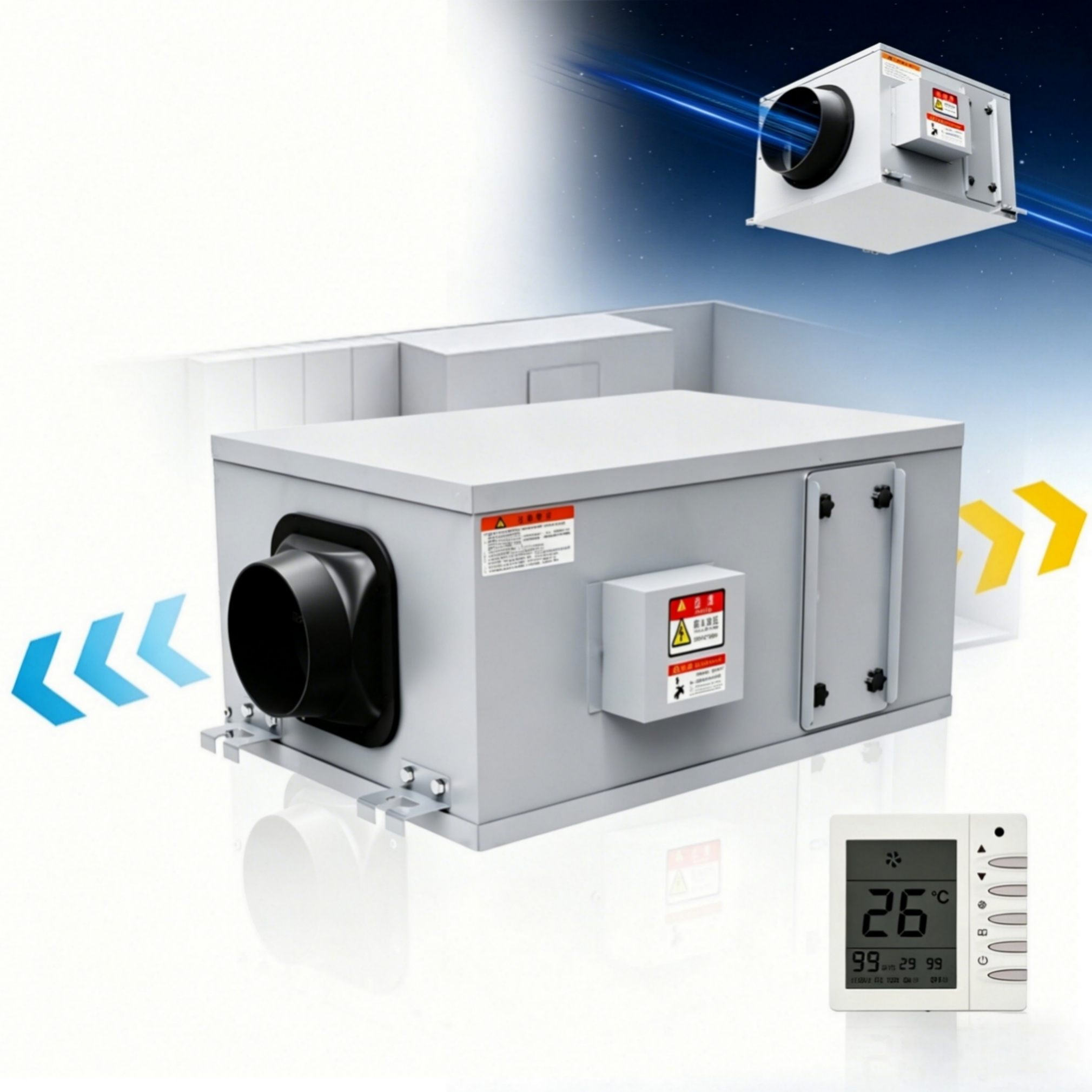
To understand its working process, it helps to know the four core parts of every MVHR system. These components work in perfect sync to deliver consistent, efficient ventilation:
Heat Exchanger (The Heart): The central component of the system. It features layered panels that let heat transfer between two separate air streams without blending them. High-quality modern exchangers achieve 70–95% heat recovery efficiency.
Dual Fans: One extract fan removes stale indoor air, while one supply fan draws in fresh outdoor air, ensuring balanced airflow throughout the property.
Air Filters: Both incoming and outgoing air passes through fine filters that trap dust, pollen, pet dander, and airborne pollutants, drastically improving indoor air quality.
Ductwork & Vents: A network of discreet ducts runs through walls and ceilings, connecting the main unit to vents in different rooms for targeted air circulation.
MVHR targets the rooms where stale, humid air accumulates the most. The extract fan pulls damp, stale air out of high-moisture spaces like bathrooms, kitchens, and utility rooms. This air carries excess humidity, cooking smells, condensation, and indoor pollutants that would otherwise build up and cause mould, mildew, or musty odours over time.
Before this stale indoor air is vented outside, it flows through one side of the heat exchanger. At the exact same time, the system pulls cold, fresh air from outdoors through the opposite side of the exchanger. The warmth from the outgoing indoor air transfers across the exchanger panels to pre-heat the incoming fresh air. Crucially, the two air streams remain completely separate—no stale air, moisture, or contaminants mix with the new fresh supply.
After being pre-warmed, the incoming outdoor air passes through high-performance filters to remove allergens, dust, and urban pollution. The clean, tempered fresh air is then ducted into dry, occupied rooms such as bedrooms, living rooms, and home offices. This ensures the spaces you spend the most time in always have breathable, fresh air at a comfortable temperature.
Having donated most of its heat to the incoming air, the now cool, stale indoor air is safely expelled outside. The entire cycle runs continuously and silently, creating a permanent, balanced indoor airflow loop that eliminates stagnant air and maintains a healthy indoor environment year-round.
A common misconception is that MVHR only works for winter heating. In fact, most modern MVHR units feature a summer bypass mode. When outdoor temperatures rise, the system automatically bypasses the heat exchanger. This lets cool fresh outdoor air flow directly indoors without being warmed by stale indoor air, naturally ventilating and cooling your home while still filtering out pollutants. It eliminates the need for constant window opening and reduces reliance on electric fans or air conditioning.
Lower Energy Bills: By recovering almost all lost indoor heat, MVHR cuts down central heating usage significantly. It eliminates ventilation heat loss—one of the biggest hidden energy wastes in modern homes.
Healthier Indoor Air: Continuous filtration and air exchange reduce allergens, dust, mould spores, and volatile organic compounds (VOCs), making it ideal for allergy sufferers and families.
Zero Condensation & Mould: Constant moisture removal prevents condensation on windows, walls, and ceilings, protecting your home from damp-related damage.
Year-Round Comfort: No more cold drafts in winter or stuffy stagnant air in summer, with consistent, mild fresh air circulation all day long.
Quiet & Low-Maintenance: Modern MVHR units operate almost silently, and only require annual filter changes to maintain peak performance.
MVHR is far more than a simple ventilation system. It’s a smart, sustainable home upgrade that balances comfort, health, and energy efficiency. By understanding how MVHR works, it’s easy to see why it’s a staple feature in modern eco-friendly builds and energy-efficient renovations. It solves the age-old trade-off between fresh air and heat loss, letting you enjoy a warm, dry, and perfectly ventilated home in every season, without wasting energy or compromising on indoor air quality.
 18705226241


