


If you’ve ever struggled with stuffy indoor air, high energy bills, or unbalanced humidity in your home or office, you may have heard of an ERV system—but do you know what it does, how it works, or why it’s worth investing in? Short for Energy Recovery Ventilator, an ERV is a game-changing mechanical ventilation system designed to keep your indoor air fresh, comfortable, and energy-efficient. Unlike opening a window or using a basic fan (which can waste energy and disrupt your home’s temperature), an ERV works silently behind the scenes to exchange stale indoor air with clean outdoor air—all while saving you money on heating and cooling costs. Let’s break down exactly how ERV systems work and the key benefits they bring to any space.
First, let’s clarify the basics: An ERV is a balanced ventilation system that replaces stale, polluted indoor air with fresh outdoor air without sacrificing the energy your HVAC system has already used to heat or cool your space. Unlike simple ventilation methods, ERVs don’t just move air—they transfer heat and moisture between incoming and outgoing air streams, a process that makes your home more comfortable and your energy usage more efficient. Think of it as a “smart” air exchanger: it keeps the good (conditioned air energy) and gets rid of the bad (stale air, pollutants, excess moisture), while bringing in the best of the outdoors (fresh air) without the downsides (extreme temperatures, humidity swings).
It’s important to note that ERVs are often confused with HRVs (Heat Recovery Ventilators), but there’s a key difference: HRVs only transfer heat, while ERVs transfer both heat and moisture. This makes ERVs ideal for climates where humidity control is a year-round concern, from hot, humid summers to dry winters.
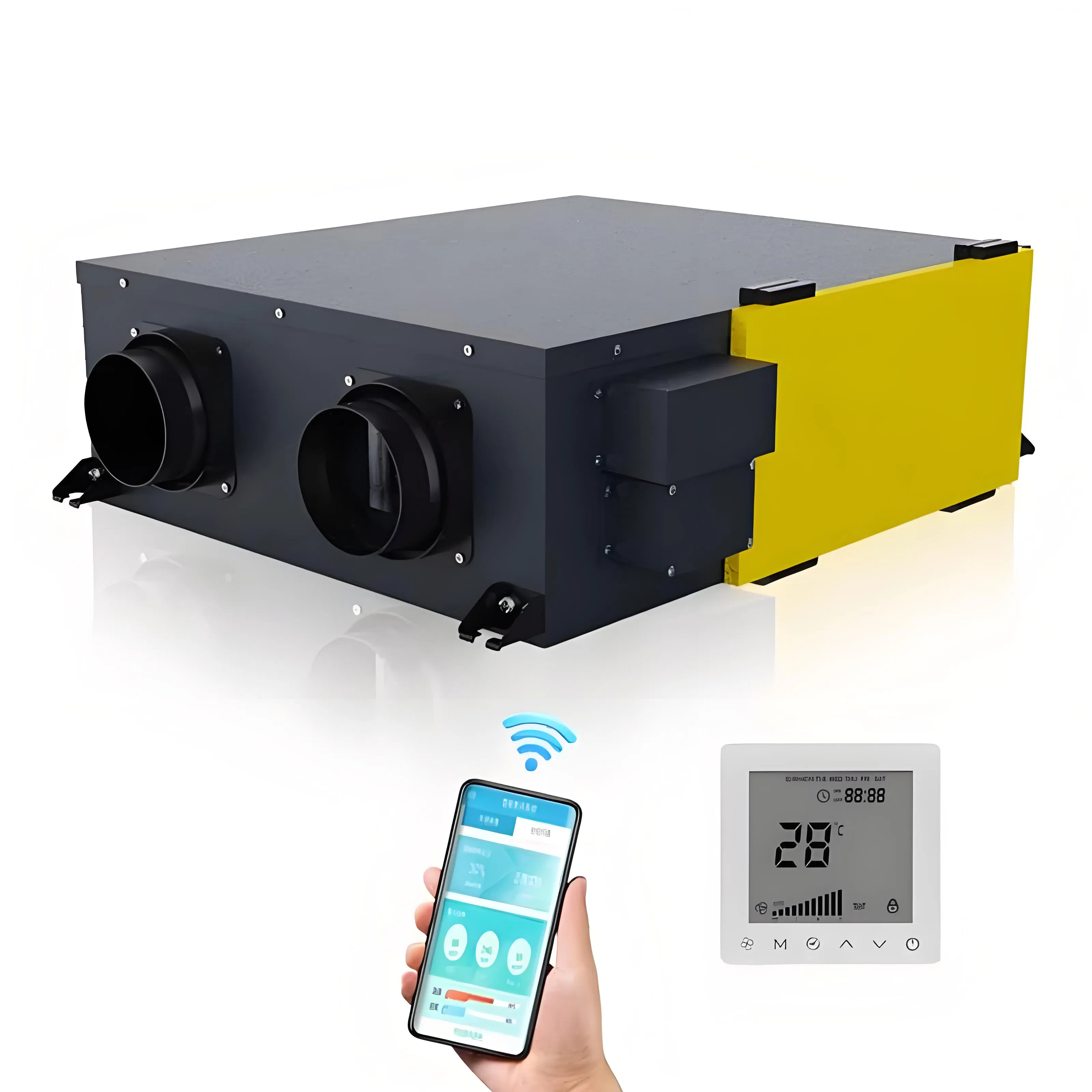
The magic of an ERV happens in its core component: the energy recovery core (often made of advanced polymer plates or an enthalpy wheel). This core is where heat and moisture transfer occurs, and it’s designed to keep incoming and outgoing air streams completely separate—so stale indoor air never mixes with fresh outdoor air. Here’s a simple, step-by-step look at how the process works:
Every ERV has two high-efficiency, quiet fans that create distinct air paths: one fan pulls fresh outdoor air into the system, and the other pushes stale indoor air out of your space. The indoor air being exhausted is typically filled with pollutants like VOCs, formaldehyde, radon, dust, and excess moisture from cooking, showering, or breathing—all things that can harm indoor air quality (IAQ) and comfort.
As both air streams pass through the energy recovery core (on separate sides), heat and moisture are transferred between them—no air mixing required. This process is based on the second law of thermodynamics, which states that energy (heat) naturally moves from areas of high energy to low energy. The exact transfer depends on the season:
Winter: Stale, warm indoor air (being exhausted) transfers its heat and moisture to the cold, dry outdoor air (being pulled in). This pre-heats and adds moisture to the incoming air, so your furnace doesn’t have to work as hard to warm it to a comfortable temperature. This prevents dry indoor air (a common winter woe) and cuts down on heating costs.
Summer: The opposite happens: stale, cool, conditioned indoor air (being exhausted) absorbs heat and moisture from the hot, humid outdoor air (being pulled in). This pre-cools and dehumidifies the incoming air, reducing the load on your air conditioner and preventing that sticky, muggy feeling indoors.
Before the fresh outdoor air enters your home’s ductwork, it passes through filters that catch dust, pollen, and other airborne particles—further improving indoor air quality. Many ERVs also feature smart controls that adjust fan speeds to maintain balanced airflow, ensuring that the amount of air being pulled in equals the amount being pushed out. This prevents negative or positive pressure in your home, which can cause drafts, moisture buildup, or even pull in pollutants from outside cracks and crevices.
Most ERVs connect seamlessly to your existing HVAC system, working in tandem with your furnace and air conditioner to optimize comfort and efficiency. Some models even have automated seasonal settings or CO2 sensors that adjust operation based on indoor air quality—for example, increasing fan speed if CO2 levels rise (a sign of stale air).
Now that you understand how ERVs work, let’s dive into the benefits—ones that make them a smart investment for both residential and commercial spaces. From lower energy bills to healthier air, ERVs offer long-term value that goes beyond basic ventilation.
One of the biggest perks of an ERV is its energy efficiency. By recovering up to 80% of the thermal energy that would otherwise be lost when exhausting stale air, ERVs significantly reduce the workload on your furnace and air conditioner. This means your HVAC system uses less energy to heat or cool incoming air, leading to lower monthly utility bills. Some studies show that ERVs can save up to 40% on energy costs compared to natural ventilation, especially when paired with an efficient HVAC system. Additionally, less strain on your HVAC system means fewer repairs and a longer lifespan for your equipment.
Indoor air can be up to 5 times more polluted than outdoor air, thanks to trapped pollutants like dust, pet dander, mold spores, VOCs (from paint, furniture, and cleaning products), and even radon. ERVs solve this by continuously exchanging stale indoor air with fresh outdoor air, flushing out harmful contaminants and bringing in oxygen-rich air. The built-in filters add an extra layer of protection, catching particles before they enter your home. This is especially beneficial for people with allergies, asthma, or respiratory issues, as it reduces triggers and improves overall air quality. For commercial spaces, better IAQ also boosts employee productivity and customer comfort.
Unlike HRVs, ERVs transfer moisture, which is key to maintaining comfortable humidity levels (ideally 30-50%) in your home. In winter, they add moisture to dry indoor air, preventing chapped lips, dry skin, and damage to wooden furniture or flooring. In summer, they remove excess moisture from incoming air, preventing mold growth, mildew, and that sticky, uncomfortable feeling. Proper humidity control also makes your home feel warmer in winter and cooler in summer—so you can adjust your thermostat and save even more energy.
Unlike window fans or portable ventilation units, ERVs are installed out of sight (usually in attics, basements, or utility closets) and operate quietly. The fans are designed to be low-noise, so you’ll barely notice the system is running—even when it’s working at full capacity. This makes ERVs perfect for bedrooms, home offices, and nurseries, where quiet is a priority.
Modern homes are built to be airtight to improve energy efficiency—but this can trap stale air and pollutants inside. ERVs are the perfect solution for airtight spaces, as they provide consistent, balanced ventilation without sacrificing energy savings. They’re also a great addition to older homes that lack proper ventilation, helping to modernize indoor air quality without major renovations.
HVAC systems are one of the biggest contributors to peak electricity demand (the times of day when utility rates are highest). By reducing the load on your HVAC system, ERVs help lower peak energy demand for your home or business—cutting down on your electric bill even further by reducing usage during high-rate periods.
If you value energy efficiency, healthy indoor air, and year-round comfort, an ERV system is absolutely worth considering. Whether you’re building a new home, upgrading your existing HVAC system, or looking to improve air quality in a commercial space, ERVs offer a cost-effective, long-term solution to common ventilation problems. When choosing an ERV, look for HVI-certified products to ensure reliability and performance—these products have been tested to meet strict industry standards.
At the end of the day, an ERV isn’t just a ventilation system—it’s an investment in your health, your comfort, and your wallet. By working smarter (not harder) to exchange air and recover energy, ERVs transform the way we live and work indoors—one breath of fresh air at a time.
 18705226241


