


Home Air Ventilation: Natural vs Mechanical Systems Compared
Healthy indoor air is the cornerstone of a comfortable home, and ventilation stands as the most effective way to eliminate stale air, reduce indoor pollutants, and maintain balanced humidity. When upgrading your home airflow system or optimizing daily ventilation habits, every homeowner faces a core question: should you stick with natural ventilation or invest in a mechanical ventilation system? Both solutions serve the same goal of freshening indoor air, yet they differ drastically in cost, efficiency, seasonal adaptability, and long-term performance. In this guide, we comprehensively compare natural and mechanical home ventilation systems, break down their pros and cons, and help you pick the perfect option for your living space.
Before diving into the detailed comparison, it’s essential to clarify the core definitions of these two mainstream ventilation methods. Their working principles fundamentally determine their performance and applicability in residential spaces.
Natural ventilation is a passive airflow solution that relies entirely on natural forces—wind pressure and indoor-outdoor temperature differences (stack effect)—to circulate air. It requires no electricity, no mechanical equipment, and only utilizes building openings such as windows, doors, skylights, and passive wall vents to exchange stale indoor air with fresh outdoor air. It is the oldest, most traditional ventilation method for residential buildings.
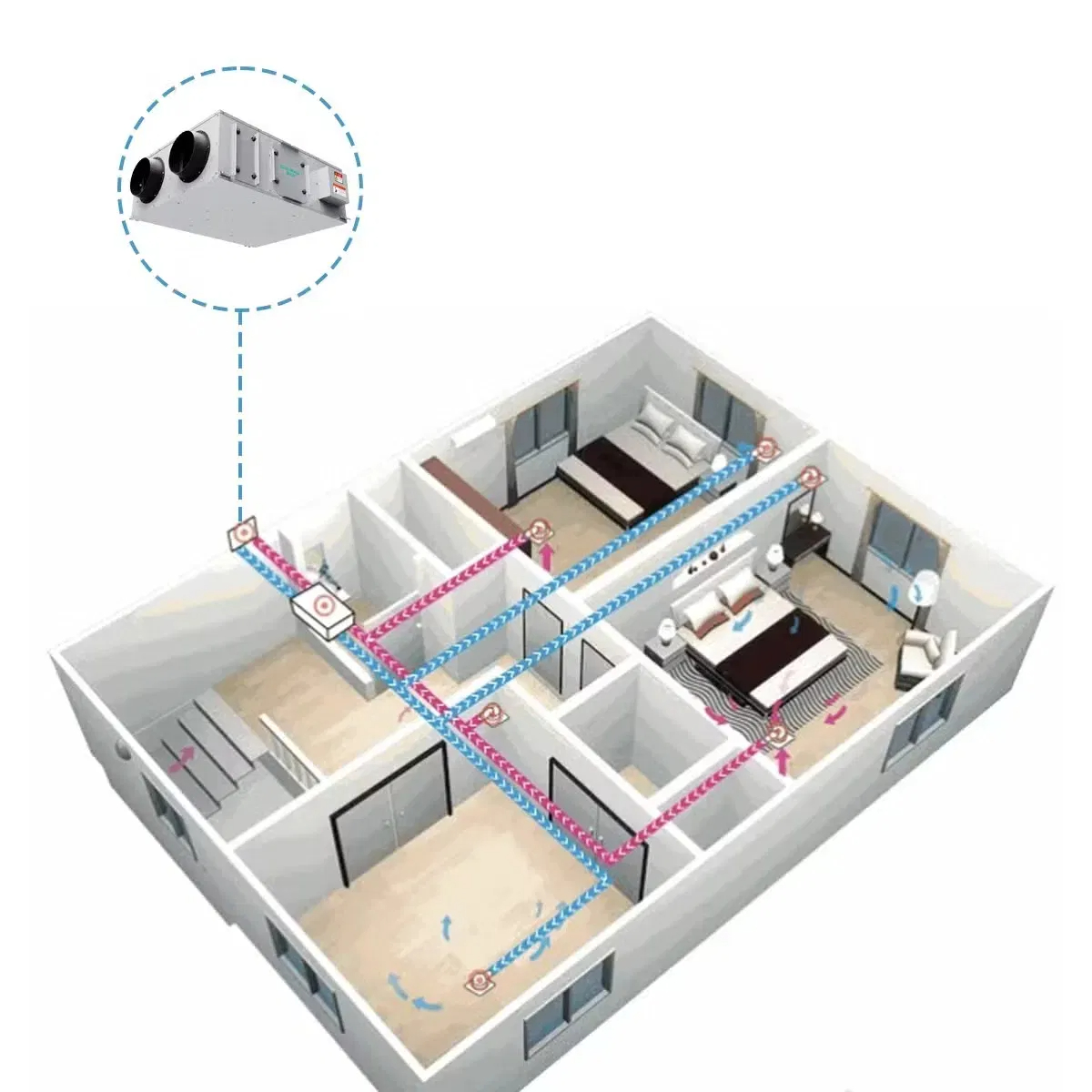
Mechanical ventilation is an active, engineered airflow system that uses powered devices including exhaust fans, circulating fans, and centralized HRV/ERV duct systems to forcibly drive air circulation. It creates controlled air exchange independently of natural weather conditions, delivering consistent, adjustable ventilation rates for modern tightly sealed homes.
To help you quickly grasp the key differences, we compare the two systems across six critical dimensions: cost, energy efficiency, reliability, air quality control, seasonal adaptability, and maintenance needs.
Natural ventilation is completely budget-friendly withzero installation cost and zero operating cost. It requires only manual operation—opening and closing windows and doors—making it accessible for all homeowners with no financial threshold. There is no long-term investment or payback period needed.
Mechanical ventilation involves tiered costs. Basic portable exhaust fans or window fans feature low upfront costs and minimal electricity consumption. However, whole-home systems like Heat Recovery Ventilation (HRV) and Energy Recovery Ventilation (ERV) require professional installation, higher equipment expenses, and ongoing operational electricity costs. While the initial investment is higher, it avoids hidden costs like mold remediation and indoor air quality treatment caused by poor natural ventilation.
Natural ventilation consumes no electricity, but it often leads to uncontrolled energy loss. In winter, opening windows releases heated indoor air and creates cold drafts, increasing heating workload. In summer, hot outdoor air floods indoors, raising room temperatures and forcing air conditioners to work harder. Frequent natural ventilation can significantly undermine home thermal insulation effects.
Modern mechanical ventilation systems optimize energy usage effectively. Advanced HRV and ERV systems retain indoor heat or coolness during air exchange, minimizing temperature loss. Even basic mechanical fans deliver targeted ventilation, avoiding unnecessary full-room airflow waste. Overall, mechanical ventilation achieves far higher net energy efficiency year-round.
The biggest flaw of natural ventilation is its total dependence on outdoor conditions. On windless days, airflow is extremely weak, resulting in insufficient air exchange. In extreme cold, sweltering heat, heavy rain, or hazy polluted weather, opening windows becomes impractical or even harmful. This makes natural ventilation unstable and unreliable for consistent indoor air quality maintenance.
Mechanical ventilation operates independently of external weather. It delivers fixed, stable airflow 24/7 regardless of temperature, wind, or air quality outside. It solves the stagnant air problem in tightly insulated modern homes, ensuring continuous air renewal without relying on natural weather changes.
Natural ventilation brings in unfiltered outdoor air. While it flushes out indoor cooking fumes, VOCs, and CO₂, it also allows outdoor pollen, dust, vehicle exhaust, and industrial pollutants to enter the room. It cannot screen fine particles, making it unfriendly to allergy and asthma sufferers.
Most mechanical ventilation systems are equipped with multi-stage filter screens that trap dust, pollen, PM2.5, and other airborne contaminants. They achieve purified air exchange—ventilating and cleaning indoor air simultaneously—effectively improving overall indoor air quality far beyond the capacity of natural ventilation.
Natural ventilation requires almost no maintenance. The only operation is manual window and door adjustment according to weather, with no equipment aging, failure, or replacement costs. It is the most low-maintenance ventilation option available.
Mechanical ventilation needs regular upkeep. Portable fans require occasional cleaning, while HRV/ERV systems need periodic filter replacement, duct cleaning, and equipment inspection to prevent dust buildup and mold growth. Regular maintenance is essential to guarantee stable system operation and avoid secondary air pollution.
Pros: Zero energy cost, no installation fees, zero maintenance, eco-friendly, simple and intuitive operation, no mechanical noise.
Cons: Weather-dependent, unstable ventilation effect, unfiltered outdoor pollutants, easy to cause indoor temperature fluctuations and energy waste, ineffective in extreme seasons.
Pros: All-weather stable operation, filtered clean air, precise airflow control, minimal temperature loss, effective mold and moisture prevention, ideal for modern airtight homes.
Cons: Upfront equipment and installation costs, ongoing electricity consumption, regular maintenance required, slight operating noise from fans.
There is no one-size-fits-all best ventilation system—the optimal choice depends on your home type, local climate, living habits, and health needs.
Choose Natural Ventilation If: You live in a mild climate with clean outdoor air, your home has large windows and good natural wind conditions, you have a limited budget, and you prefer zero-energy, low-maintenance daily ventilation. It works perfectly for spring and autumn daily air freshening and casual indoor air circulation.
Choose Mechanical Ventilation If: You live in areas with extreme temperatures, heavy haze, or poor outdoor air quality; your home is newly renovated with tight insulation and poor natural airflow; you have family members with allergies, asthma, or sensitive respiratory systems; or you want consistent indoor humidity and air quality all year round. Whole-home HRV/ERV systems are the top pick for long-term healthy home living.
For most households, the wisest strategy is not to choose one over the other, but to combine natural and mechanical ventilation for complementary advantages. In mild, fresh-air seasons, rely on natural cross-ventilation to save energy and enjoy free outdoor airflow. In hot summer, cold winter, or polluted days, turn on mechanical ventilation systems to ensure stable, clean, and comfortable indoor air circulation.
This hybrid model balances energy savings, cost control, air quality, and seasonal adaptability, solving the defects of single ventilation methods and creating a healthier, more comfortable living environment.
Natural and mechanical ventilation systems each have unique strengths and unavoidable limitations. Natural ventilation is an energy-free, convenient daily solution for favorable weather, while mechanical ventilation provides reliable, purified, all-season airflow protection for modern homes. By understanding their core differences and matching them with your home’s actual conditions, you can build a scientific, efficient home ventilation system that keeps your indoor air fresh, clean, and healthy all year round.
 18705226241


