


Heat Recovery Ventilation 101: Basics for Homeowners
If you’ve ever noticed stuffy indoor air, lingering odors, mold spots on walls, or sky-high heating and cooling bills, your home is likely missing one critical component: a proper ventilation solution. Most modern homes are built to be airtight for energy efficiency, but tight seals trap stale air, moisture, and pollutants indoors. This is where a Heat Recovery Ventilation (HRV) system steps in. For homeowners new to this technology, HRV might sound complex, but it is a simple, smart investment that balances fresh air circulation and energy conservation. In this HRV 101 guide, we’ll break down everything homeowners need to know, including how HRV works, its key benefits, ideal usage scenarios, and essential maintenance tips.
A Heat Recovery Ventilation system is a mechanical ventilation device designed to exchange stale indoor air with fresh outdoor air while recovering and reusing heat from the outgoing air. Unlike basic window ventilation or standard exhaust fans that simply push indoor air out without heat retention, HRV eliminates the biggest downside of traditional ventilation: energy loss.
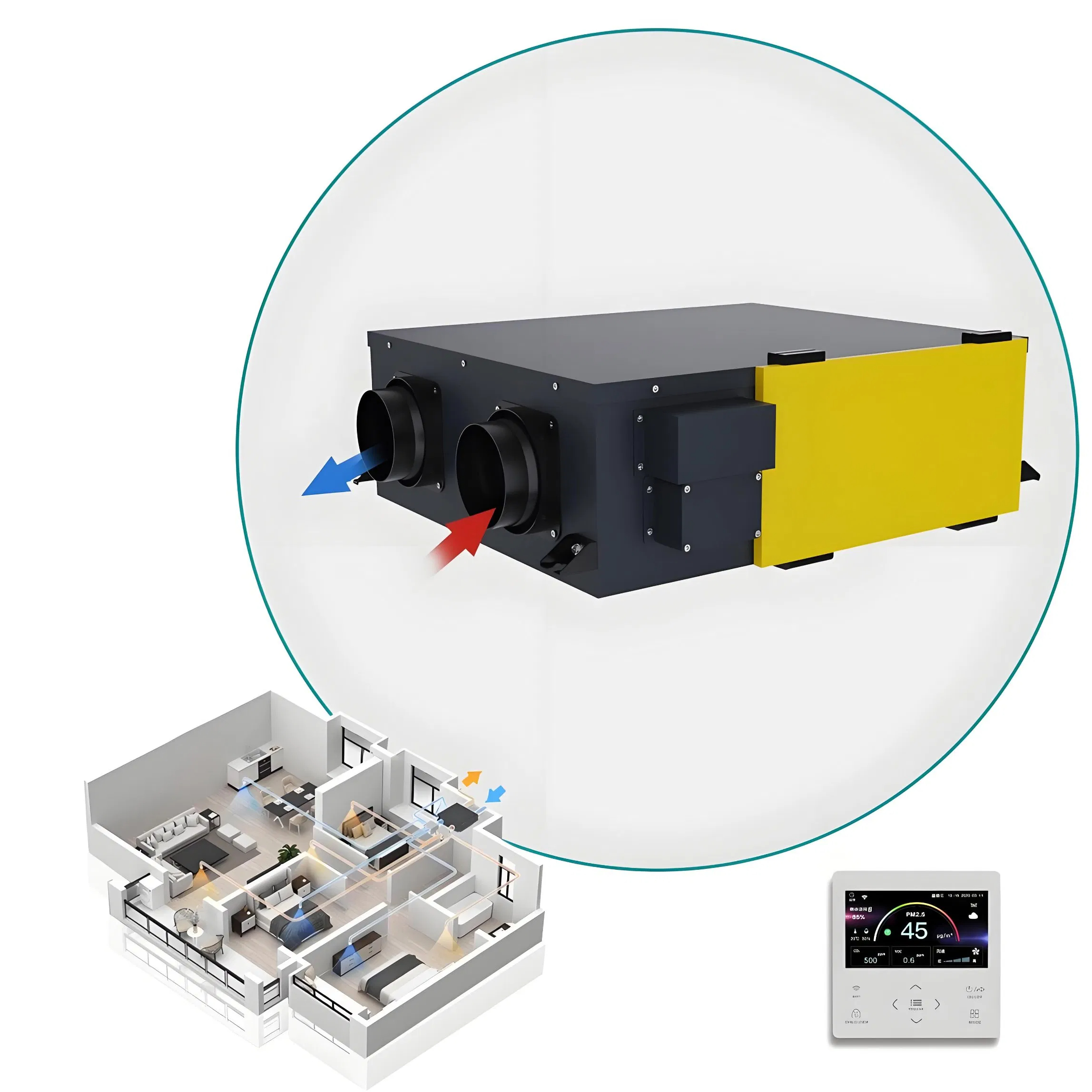
At its core, an HRV system consists of a heat exchanger core, two sets of ducts, intake and exhaust fans, and filters. It serves one primary purpose: to maintain consistent, fresh indoor air quality (IAQ) without wasting the heat your HVAC system has already generated. It is important to note that HRV differs slightly from ERV (Energy Recovery Ventilation). While ERV transfers both heat and moisture, HRV only transfers heat, making it ideal for cold and dry climates where homeowners want to preserve indoor heat and control excess humidity.
Homeowners don’t need advanced engineering knowledge to understand HRV operation. The entire process runs automatically and can be broken down into four straightforward steps:
Stale Air Extraction: The HRV’s exhaust fan pulls stale, polluted indoor air—loaded with dust, cooking fumes, pet dander, and excess moisture—out of your living rooms, bedrooms, and bathrooms.
Heat Recovery: As the stale indoor air passes through the system’s heat exchanger core, it transfers up to 85% of its heat energy to the core. The cool, stale air is then vented outside your home.
Fresh Air Intake: Simultaneously, the intake fan draws clean, fresh air from outdoors into the system. This incoming fresh air passes through the same heat exchanger core and absorbs the captured heat.
Circulation of Conditioned Air: The newly warmed, fresh outdoor air is filtered and distributed evenly throughout your home. This ensures your space gets constant fresh ventilation without dropping indoor temperatures or forcing your heater to work overtime.
In summer, the process reverses subtly: the cooler indoor air cools down incoming hot outdoor air, helping your air conditioner maintain comfortable indoor temperatures with less energy consumption.
Installing an HRV system is a long-term upgrade that improves home comfort, health, and affordability. Here are the most impactful advantages for residential properties:
Sealed, energy-efficient homes often trap airborne pollutants, allergens, and volatile organic compounds (VOCs) released from furniture, cleaning products, and paint. Stagnant air also accumulates carbon dioxide exhaled by residents, leading to stuffiness, fatigue, and poor focus. HRV continuously flushes out contaminated indoor air and delivers filtered fresh air, creating a healthier living environment for families, especially those with children, elderly members, or allergy sufferers.
Opening windows for natural ventilation causes massive heat loss in winter and cool air loss in summer, forcing your HVAC system to run longer and consume more electricity or gas. HRV recovers most of the existing indoor heat or coolness during ventilation, reducing your HVAC system’s workload. Most homeowners with HRV systems notice a 15–30% reduction in annual energy bills, making the system a cost-effective long-term investment.
Excess indoor moisture is the main cause of mold, mildew, and peeling paint on walls and ceilings. Bathrooms, kitchens, and basements are particularly prone to damp, stagnant air. HRV exhausts humid indoor air constantly, balancing indoor humidity levels and eliminating the moist environment mold needs to grow. This protects your home’s structural integrity and prevents respiratory issues caused by mold spores.
Cooking smells, pet odors, and musty basement scents often linger for days in tightly sealed homes. Standard fans only address localized odors, while HRV provides whole-house ventilation to flush out unwanted smells thoroughly, keeping every room smelling fresh year-round.
By reducing household energy consumption, HRV lowers your home’s carbon footprint. It is also a core requirement for passive house certification, a globally recognized standard for ultra-energy-efficient residential buildings. For homeowners prioritizing green living, HRV is an essential home upgrade.
HRV systems are versatile and suitable for most residential properties, but they deliver the best results for these home types:
New energy-efficient, airtight homes: Modern construction prioritizes air sealing for insulation, which eliminates natural ventilation—HRV fills this gap perfectly.
Cold-climate homes: HRV’s heat recovery function prevents heat loss during ventilation, a critical benefit in regions with long, cold winters.
Homes with poor natural ventilation: Properties with few windows, basements, or enclosed rooms that lack cross-ventilation.
Family homes and allergy-friendly households: Homes with kids, pets, or residents with asthma or seasonal allergies.
One of the best features of HRV systems is their low maintenance requirements. With simple regular care, an HRV unit can last 15–20 years with stable performance. Here are the essential upkeep tasks:
Clean or replace filters every 3–6 months: Clogged filters block airflow and reduce air quality. Regular replacement ensures efficient ventilation and heat recovery.
Inspect ducts and vents annually: Clear dust, debris, or blockages from air vents and ductwork to maintain consistent airflow throughout the home.
Clean the heat exchanger core yearly: A professional annual cleaning prevents dust buildup that reduces heat recovery efficiency.
Check fan operation seasonally: Ensure intake and exhaust fans run smoothly before winter and summer, peak seasons for HVAC usage.
Heat Recovery Ventilation is no longer a luxury home upgrade—it is a practical necessity for modern residential living. It solves the core conflict between energy efficiency and indoor air quality, allowing homeowners to enjoy fresh, clean air year-round without sacrificing comfort or overpaying utility bills. Whether you’re building a new home or upgrading your existing ventilation system, understanding HRV basics helps you make a smarter, healthier investment for your property and family.
If you’re ready to upgrade your home’s ventilation system, start with a professional assessment to find the right HRV size and model for your square footage, climate, and household needs!
 18705226241


