


HVAC Systems Parts Explained: Basics for Beginners
If you’ve ever wondered how your home stays cool in sweltering summer weather and cozy warm on freezing winter days, the answer lies in your HVAC system. For most beginners and new homeowners, HVAC feels like a complex, mysterious machine full of unknown parts and technical jargon. Many people only interact with their system through a thermostat, never understanding what happens behind the walls, in the attic, or outside their home.
Learning the basics of HVAC systems parts is not just for professional technicians. A simple understanding of core components, how they work together, and basic upkeep rules can help you avoid unnecessary repairs, lower monthly energy bills, and keep your system running reliably for years. In this beginner-friendly guide, we break down every essential HVAC part in plain English, with no complicated technical terms, so anyone can master the fundamentals.
HVAC stands for Heating, Ventilation, and Air Conditioning. It is a complete home comfort system designed to regulate indoor temperature, control humidity, and maintain clean, circulating air throughout your house. Unlike single-function appliances, an HVAC system is a connected network of parts that work simultaneously to deliver consistent indoor comfort all year long.
All residential HVAC systems split into two core sections: indoor components that handle air processing and circulation, and outdoor components that manage heat exchange. Every individual part has a unique job, and if one piece fails, the entire system’s performance will suffer.
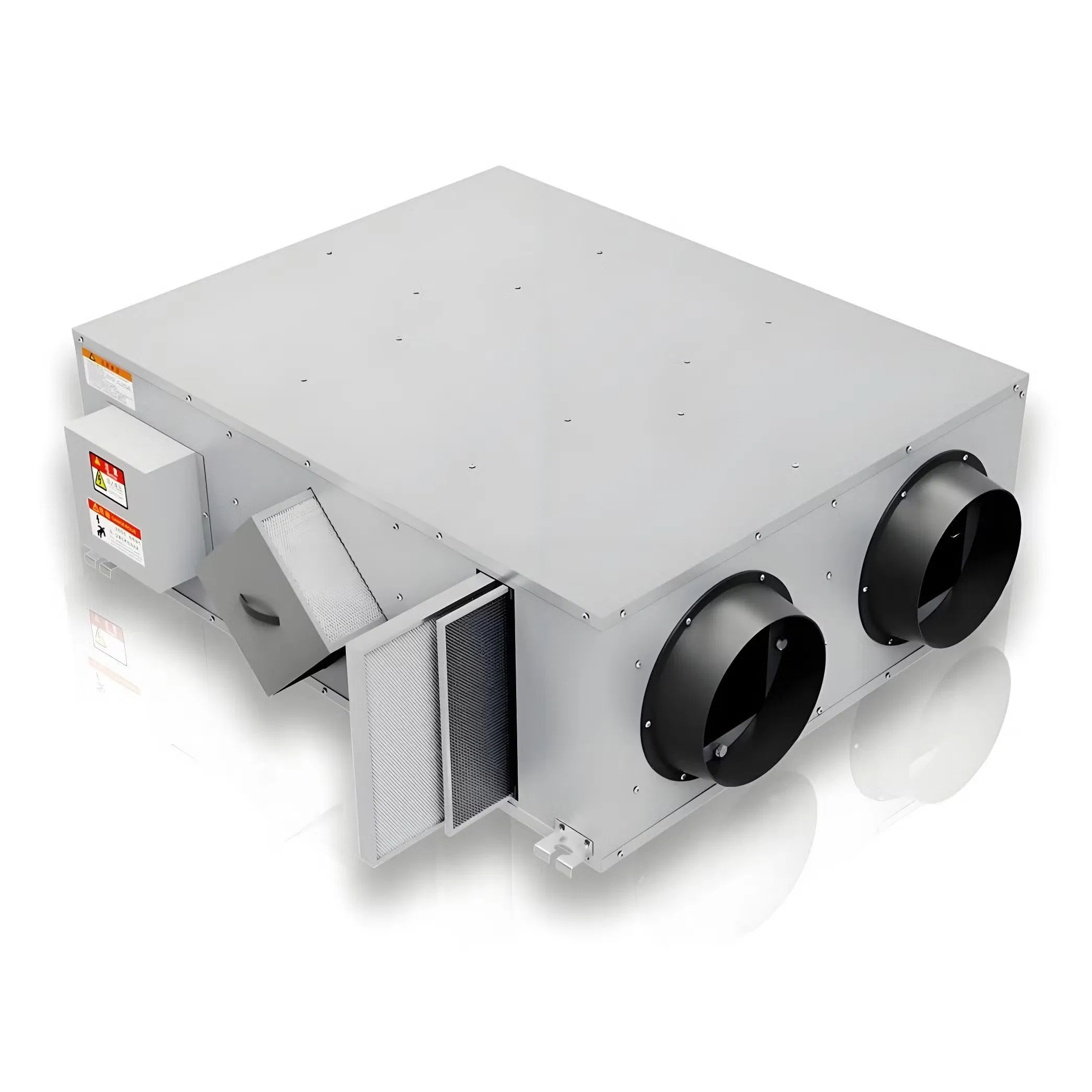
The air handler is the central indoor unit of your HVAC system, commonly installed in attics, basements, or utility closets. Think of it as the system’s “air circulator”. Its main job is to pull indoor air in, treat it (heat or cool it), and push the conditioned air out through your home’s ductwork.
Inside the air handler, three key sub-parts work nonstop: the blower motor that creates airflow, the evaporator coil that cools air, and the filter housing that cleans incoming air. Most beginner-friendly HVAC maintenance starts with protecting this unit, as it controls nearly all indoor air movement.
Beginner maintenance tip: Listen for weak airflow or strange buzzing sounds. These early signs usually mean your air handler is overworked due to dirty filters or blocked airflow.
Tucked inside your air handler, the evaporator coil is the part responsible for cooling and dehumidifying your home. It is filled with cold refrigerant, a heat-transfer fluid that absorbs warmth and moisture from passing indoor air. As air flows over the coil, heat is removed, leaving cool, dry air ready to circulate through your rooms.
For beginners, it’s important to know that this coil is extremely delicate. Dust, pet hair, and dirt buildup will block heat absorption, making your AC blow warm air, freeze the coil, or waste massive amounts of energy. It is one of the most common causes of poor cooling performance in residential homes.
For winter heating, the furnace acts as the heating core of your HVAC system. Most residential furnaces run on natural gas or electricity. Key beginner-level parts include the burner, heat exchanger, and ignition system. The burner creates heat, the heat exchanger transfers that heat to circulating air, and the ignition system starts the heating cycle when your thermostat calls for warmth.
If you have a heat pump system instead of a furnace, your unit uses refrigerant flow reversal to generate indoor heat, eliminating the need for gas combustion. This simple difference explains why heat pumps are more energy-efficient for mild climates.
Air filters are the smallest yet most critical beginner-friendly HVAC part. Installed in return vents or the air handler, they trap dust, pollen, pet dander, mold spores, and everyday household debris before the air enters your system. Clean filters protect every other HVAC component from contamination and improve indoor air quality.
A clogged filter is the number one DIY-fixable HVAC problem. Beginners can easily prevent system strain, frozen coils, and high energy bills by replacing filters every 30 to 90 days, depending on household activity and pets.
Ductwork is a network of metal or flexible tubes that acts as your home’s “air highway”. It carries heated or cooled air from your indoor unit to every room, while vents and registers release the air into your living spaces. Even if your HVAC unit works perfectly, leaky, blocked, or damaged ducts will waste conditioned air and create uneven room temperatures.
Beginners can practice simple maintenance by keeping all vents clear of furniture, rugs, and curtains, and checking visible duct sections for loose connections or gaps.
The boxy metal unit sitting outside your home is called the condenser, the workhorse of your cooling system. Its primary job is to release the heat captured indoors by the evaporator coil into the outdoor air. For heat pump owners, this unit also absorbs outdoor heat to warm your home in cold weather.
Inside the condenser, two key parts drive performance: the condenser coil that dissipates heat and the outdoor fan that blows air across the coil to speed up heat release. Simple beginner maintenance includes clearing leaves, grass, branches, and debris around the unit to ensure unobstructed airflow year-round.
Housed inside the outdoor condenser, the compressor is widely known as the “heart” of the HVAC system. It pressurizes and circulates refrigerant throughout the entire cooling loop, enabling continuous heat transfer between indoor and outdoor units.
For beginners, you only need to know one key point: the compressor is the most expensive HVAC part to replace. Most compressor failures stem from neglected maintenance, dirty coils, or blocked airflow—all issues that are preventable with basic routine care.
Refrigerant lines are insulated copper pipes that connect your indoor evaporator coil and outdoor condenser unit. They form a closed loop to carry refrigerant back and forth, enabling the entire heating and cooling cycle. There are two line types: a small warm liquid line and a large insulated suction line that carries cool gas.
Beginners should watch for ice buildup or hissing sounds around the lines, which typically signal refrigerant leaks—a common issue that requires professional repair to restore system efficiency.
The thermostat is the brain and user interface of your entire HVAC system. It reads indoor temperature levels and sends signals to your heating and cooling units to turn on or off based on your desired settings. Basic digital thermostats offer manual temperature control, while modern smart thermostats learn your daily schedule, adjust temperatures automatically, and reduce energy waste.
Many beginners misdiagnose HVAC issues as system breakdowns when the real problem is incorrect thermostat settings, dead batteries, or uncalibrated temperature readings. Always check your thermostat first when you experience uneven heating or cooling.
Understanding the full HVAC cycle simplifies all component functions. Here is the step-by-step process in plain language:
1. You set your desired temperature on the thermostat.
2. The thermostat triggers the HVAC system to start working.
3. The air handler pulls in indoor air and passes it through a clean filter.
4. Air flows over the evaporator coil for cooling (or furnace heat exchanger for heating).
5. Conditioned air travels through ductwork and exits through vents into your rooms.
6. Heat captured indoors moves via refrigerant lines to the outdoor condenser.
7. The compressor and condenser coil release indoor heat outside to complete the cycle.
You don’t need professional skills to protect your HVAC system. These easy habits extend system lifespan and avoid most common breakdowns:
- Replace air filters regularly to maintain smooth airflow and clean air quality.
- Keep the outdoor condenser unit clear of debris, plants, and clutter.
- Keep all indoor vents open and unblocked for balanced air circulation.
- Check thermostat batteries and settings monthly.
- Schedule one professional annual tune-up to clean coils, check refrigerant levels, and inspect internal parts.
HVAC systems may look complicated at first glance, but their core parts and functions are straightforward once broken down for beginners. Every component, from the large outdoor condenser and indoor air handler to small filters and thermostat, plays a vital role in keeping your home comfortable, clean, and energy-efficient.
By learning these basic HVAC fundamentals, you gain the confidence to spot early warning issues, perform simple DIY maintenance, and avoid overpaying for unnecessary repairs. Mastering these basics is the first step to protecting your HVAC investment and enjoying consistent indoor comfort year after year.
 18705226241


