


When we talk about HVAC systems, the “H” (heating) and “A” (air conditioning) often steal the spotlight. We gush about warm winters, cool summers, and the comfort of a temperature-controlled space—but how often do we stop to think about the “V”? Ventilation, the unsung hero of HVAC, is the backbone of indoor air quality, comfort, and even energy efficiency. It’s not just an afterthought; it’s a critical component that keeps your HVAC system working effectively and your indoor space healthy. In this blog, we’ll break down why ventilation deserves more attention, the risks of neglecting it, and how to ensure your “V” is doing its job right.
Let’s start with the basics. HVAC stands for Heating, Ventilation, and Air Conditioning. While heating and cooling regulate temperature, ventilation is all about moving air—fresh outdoor air in, and stale, polluted indoor air out. It’s the process that ensures your indoor space gets a steady supply of oxygen, removes harmful pollutants, and maintains balanced humidity. Without proper ventilation, your HVAC system is just a fancy temperature controller, leaving your air stagnant, unhealthy, and uncomfortable.
Ventilation comes in two main forms: natural and mechanical. Natural ventilation relies on open windows, doors, and vents to let air circulate—think opening a window on a nice day to let fresh air in. Mechanical ventilation, on the other hand, uses fans, ducts, and vents (integrated into your HVAC system) to move air intentionally. This is especially important in modern homes and buildings, which are often tightly sealed for energy efficiency—great for keeping temperatures consistent, but bad for air circulation if ventilation is overlooked.
It’s easy to prioritize heating and cooling—after all, we feel their effects immediately. But neglecting the “V” can lead to a host of problems, from poor air quality to costly HVAC repairs. Here’s what happens when ventilation is an afterthought:
Indoor spaces trap all kinds of pollutants: dust, pet dander, mold spores, volatile organic compounds (VOCs) from cleaning products and furniture, and even carbon dioxide (CO₂) from breathing. Without ventilation, these pollutants build up, making the air you breathe far more polluted than outdoor air. This can trigger allergies, asthma, headaches, fatigue, and even long-term health issues like respiratory disease. For homes with smokers, pets, or people with chronic health conditions, proper ventilation is non-negotiable.
Ventilation helps regulate humidity—too much moisture leads to mold growth, musty odors, and even structural damage (think warped wood or peeling paint). Too little humidity causes dry skin, chapped lips, and irritated sinuses. Your HVAC’s ventilation system works with your AC and heater to keep humidity in the ideal range (between 30-50%), making your space feel more comfortable even if the temperature stays the same.
Stale, stagnant air makes your HVAC system work harder. When air isn’t circulating, your heater or AC has to push air through dirty, clogged ducts or stagnant spaces, wasting energy and increasing your utility bills. Proper ventilation keeps air flowing smoothly, reducing the strain on your HVAC system and extending its lifespan. It also prevents the buildup of dust and debris in ducts, which can lead to costly repairs down the line.
We’ve all been in a room that feels “stuffy”—whether it’s a crowded office, a closed-up bedroom, or a kitchen after cooking. That stuffiness is a sign of poor ventilation. Without fresh air coming in, odors (from cooking, pets, or even daily activities) linger, making your space feel unpleasant. Ventilation flushes out these odors and replaces stale air with fresh air, keeping your home or office feeling clean and inviting.
The good news is, it’s never too late to give your ventilation the attention it deserves. Here are simple steps to check and improve your HVAC’s ventilation system:
Check Your Vents and Ducts: Make sure all supply and return vents are open, unblocked by furniture, rugs, or curtains. Clogged or blocked vents restrict airflow, rendering your ventilation system ineffective. You should also have your ducts cleaned regularly (every 3-5 years) to remove dust, debris, and mold.
Use Exhaust Fans: Bathrooms and kitchens are hotspots for moisture and odors. Always use exhaust fans when showering, cooking, or doing laundry—this pulls stale air and moisture out of the space before it can build up. Make sure your exhaust fans are vented to the outside (not just into the attic or crawl space), where the air can be properly released.
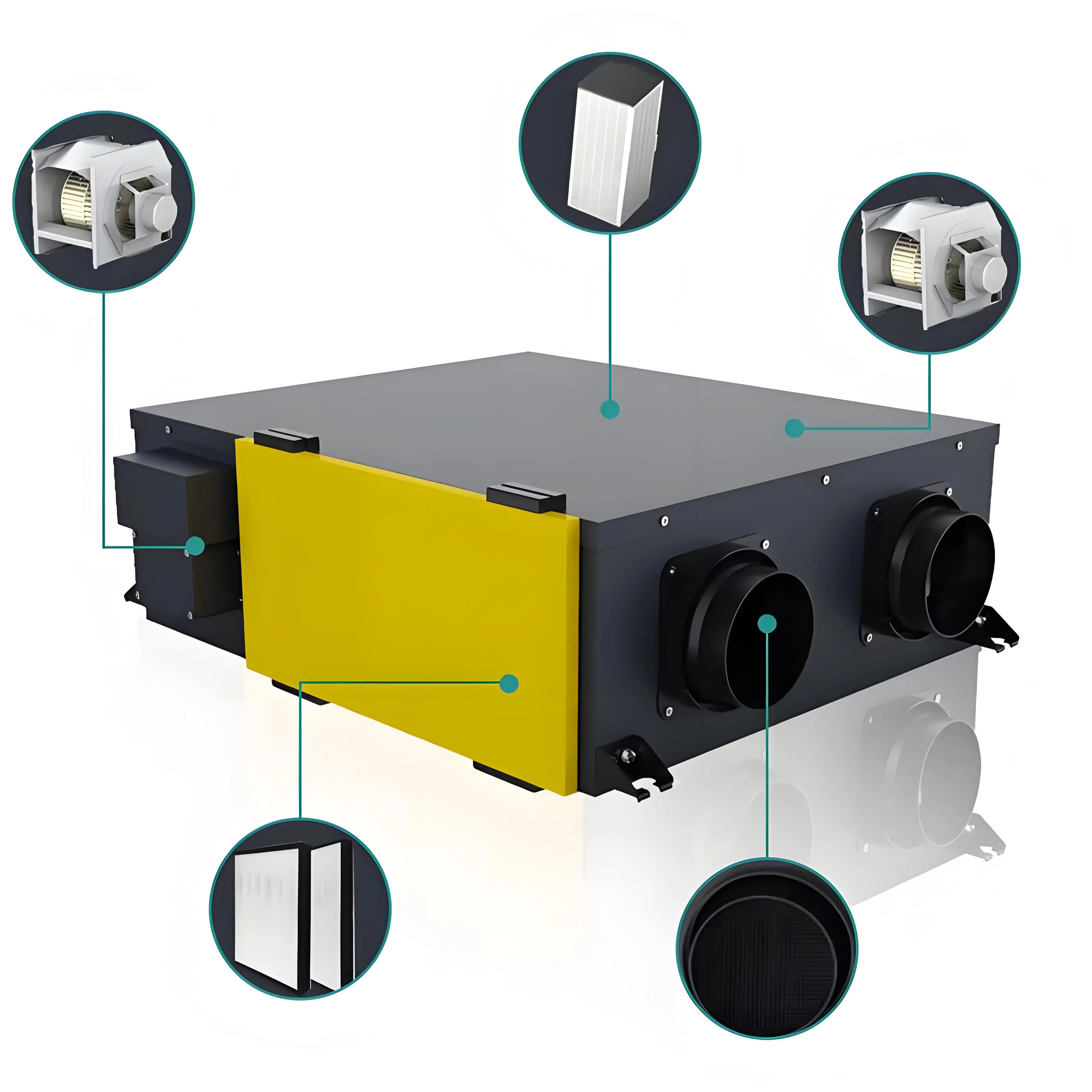
Invest in a Mechanical Ventilation System: If you have a newer, tightly sealed home, natural ventilation alone might not be enough. Consider adding a heat recovery ventilator (HRV) or energy recovery ventilator (ERV)—these systems bring in fresh outdoor air, remove stale indoor air, and even recover heat from the outgoing air to save energy. They’re a game-changer for indoor air quality and HVAC efficiency.
Open Windows (When Possible): Don’t underestimate the power of natural ventilation! On mild days, open windows and doors to let fresh air circulate. This is a simple, cost-effective way to boost ventilation and improve air quality—just be mindful of outdoor air quality (check local air quality indexes) to avoid bringing in pollutants.
Schedule Regular HVAC Maintenance: Your HVAC technician should check your ventilation system during routine maintenance. They’ll inspect fans, ducts, and vents, clean any clogs, and ensure everything is working as it should. Regular maintenance not only keeps your ventilation in top shape but also prevents small issues from turning into big, costly problems.
Heating and cooling are important, but ventilation is the glue that holds your HVAC system together. It’s the difference between a space that’s just “comfortable” and one that’s healthy, efficient, and inviting. Next time you adjust your thermostat or complain about stuffy air, remember: don’t forget the “V”!
By prioritizing ventilation, you’re not just improving your indoor air quality—you’re extending the life of your HVAC system, saving money on energy bills, and creating a space where you and your family (or employees) can breathe easy. So, let’s give the “V” the attention it deserves—your lungs (and your wallet) will thank you.
 18705226241


