


If you’ve been researching energy-efficient home upgrades or improving indoor air quality, you’ve probably come across two terms: HRV and ERV. Both are whole-house balanced ventilation systems designed to bring fresh outdoor air into your home while expelling stale, polluted indoor air—all without wasting massive amounts of heating or cooling energy.
Modern homes are built tighter than ever for energy efficiency, but that tight seal traps moisture, odors, dust, and indoor pollutants (like cooking fumes, pet dander, and even volatile organic compounds from furniture or cleaning products) inside. A whole-house ventilation system fixes this by creating consistent, controlled air exchange, but choosing between HRV and ERV can feel confusing. This guide breaks down the key differences, how each system works, and exactly which one fits your climate and home needs.
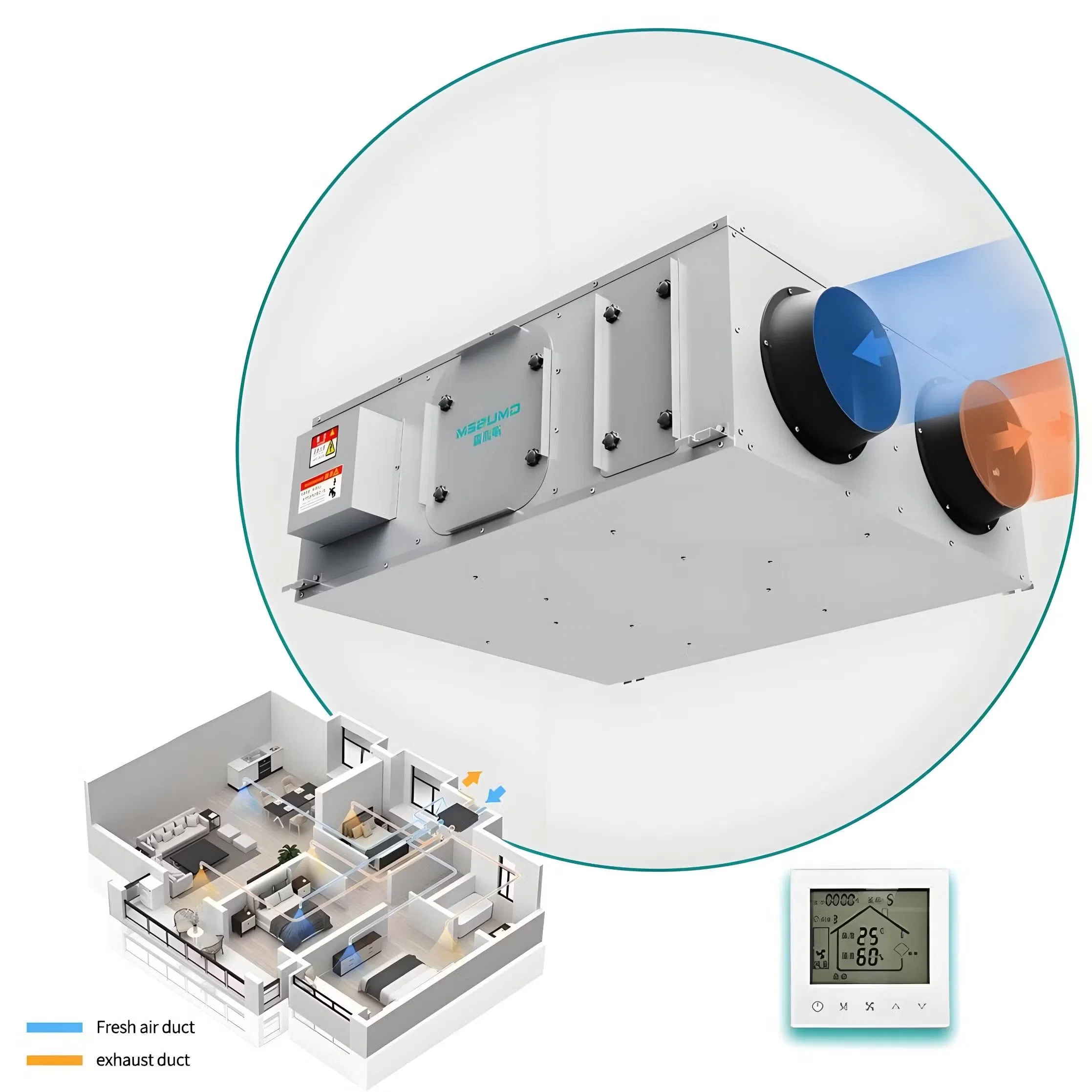
Both HRVs (Heat Recovery Ventilators) and ERVs (Energy Recovery Ventilators) are balanced ventilation units, meaning they use two separate fans and ductwork: one to pull fresh outdoor air into living spaces, and another to push stale indoor air out of moisture-heavy or polluted areas (like bathrooms, kitchens, and laundry rooms). The magic happens in their internal core, which recovers energy from the outgoing air to condition the incoming air—cutting down on HVAC workload and monthly utility bills.
The single biggest difference between the two is moisture transfer:
HRV (Heat Recovery Ventilator): Only transfers heat between the outgoing and incoming air streams. It does not move moisture, making it great for removing excess indoor humidity.
ERV (Energy Recovery Ventilator): Transfers both heat and moisture (enthalpy) between air streams, balancing indoor humidity levels year-round.
Feature | HRV | ERV |
|---|---|---|
Core Function | Recovers heat only; no moisture transfer | Recovers heat + moisture; balances humidity |
Best Climate Fit | Cold, dry climates (northern U.S., Canada, areas with harsh, dry winters) | Humid, mixed, or mild climates (southern U.S., coastal regions, areas with muggy summers & moderate winters) |
Winter Performance | Retains indoor heat; removes excess moisture (prevents window condensation) | Retains heat and adds slight moisture to dry winter air (avoids overly dry indoor air) |
Summer Performance | Cools incoming hot air but does not reduce humidity | Cools incoming air and removes excess outdoor humidity (lightens AC load) |
Maintenance Needs | Requires periodic defrosting in extreme cold; condensate drain needed | Less frost buildup in cold weather; lower maintenance for cold-climate use |
HRVs are the go-to choice for cold, dry climates where winter heating is your top priority. Since they don’t transfer moisture, they actively pull excess humidity out of your home—critical for preventing mold, window condensation, and dampness in tightly sealed homes during frigid winters.
Ideal HRV scenarios include:
Homes in northern states with long, cold, dry winters (e.g., Minnesota, Montana, Maine)
Tightly insulated, energy-efficient homes that trap moisture easily
Homes where dry indoor air in winter isn’t a major complaint
Budget-focused upgrades (HRVs typically have a slightly lower upfront cost than ERVs)
ERVs are the more versatile option for most U.S. climates, especially those with humid summers or mixed seasonal weather. By balancing moisture levels, they keep indoor air comfortable without over-drying in winter or feeling sticky in summer—taking pressure off your air conditioner and humidifier/dehumidifier.
Ideal ERV scenarios include:
Homes in southern, coastal, or midwestern states with hot, humid summers (e.g., Texas, Florida, Ohio)
Homes in mild climates with moderate year-round humidity
Homes where dry skin, irritated sinuses, or static electricity from dry winter air is a problem
New construction homes built to strict energy efficiency codes (ERVs align with ENERGY STAR and green building standards)
Myth 1: ERVs are only for hot, humid climates. Fact: Modern ERVs work well in most climates, even colder ones, thanks to their humidity-balancing design and reduced frost buildup.
Myth 2: HRVs are always cheaper to run. Fact: While HRVs have a lower upfront cost, ERVs save more long-term energy in humid climates by reducing AC usage.
Myth 3: These systems replace bathroom or kitchen fans. Fact: HRVs/ERVs handle whole-house ventilation, but localized exhaust fans are still needed for quick moisture and odor removal at the source.
Still unsure? Use this simple rule of thumb:
Pick HRV if you live in a cold, dry climate and prioritize heat retention and moisture removal in winter.
Pick ERV if you live in a humid, mixed, or mild climate and want year-round humidity balance and better all-season comfort.
Both HRV and ERV whole-house ventilation systems are game-changers for indoor air quality and energy efficiency—they just cater to different home environments. Investing in the right system for your climate will eliminate stale indoor air, reduce energy waste, and create a healthier, more comfortable living space for years to come.
Before installing, always consult a licensed HVAC professional to assess your home’s tightness, ductwork, and specific climate needs to ensure proper sizing and setup.
 18705226241


